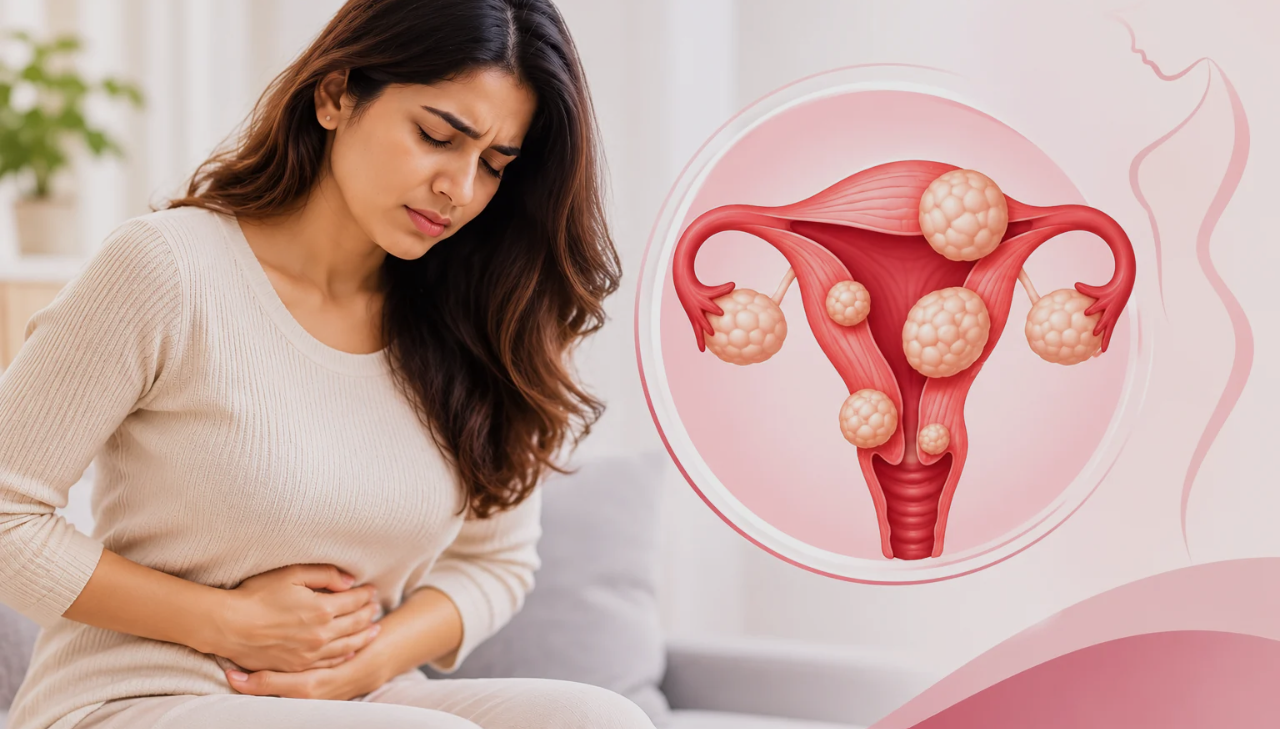
Uterine Fibroid Treatment in Delhi: When Should You Consider Surgery?
Uterine fibroids are non-cancerous growths that develop in or around the uterus. They are common among women during their reproductive years. While some women may have fibroids without experiencing any symptoms, others may face heavy menstrual bleeding, painful periods, pelvic discomfort or difficulty conceiving.
The good news is that not every uterine fibroid requires surgery. Depending on the size, number and location of the fibroids, symptoms and pregnancy plans, treatment may involve regular monitoring, medication or a surgical procedure.
Understanding the symptoms, diagnosis and available treatment options can help you make informed decisions about your reproductive health.
If you are looking for uterine fibroid treatment in Delhi, knowing when surgery may be necessary can help you discuss the right approach with your gynaecologist.
What Are Uterine Fibroids?
Uterine fibroids, also known as leiomyomas, are non-cancerous growths made up of muscle and fibrous tissue. They develop in the uterus and can vary in size, number and location.
Some fibroids remain small and do not cause any problems, while others may grow larger and put pressure on nearby organs.
Depending on their location, uterine fibroids are generally classified into four types:
1. Intramural Fibroids
These develop within the muscular wall of the uterus and are among the common types of fibroids.
2. Submucosal Fibroids
These grow towards the inner cavity of the uterus and may contribute to heavy menstrual bleeding.
3. Subserosal Fibroids
These develop on the outer surface of the uterus and may cause pressure on nearby organs.
4. Pedunculated Fibroids
These are attached to the uterus by a thin stalk and may grow either inside or outside the uterus.
The location and size of a fibroid play an important role in deciding the most appropriate treatment.
What Are the Common Symptoms of Uterine Fibroids?
Many women with uterine fibroids do not experience noticeable symptoms. Fibroids may sometimes be discovered during a routine gynaecological examination or ultrasound.
However, when symptoms occur, they may include:
1. Heavy Menstrual Bleeding
Heavy or prolonged periods are among the common symptoms of uterine fibroids. Some women may experience bleeding between periods or pass larger blood clots.
Continued heavy bleeding can lead to iron-deficiency anaemia, causing tiredness, weakness and dizziness.
2. Painful Periods
Fibroids may contribute to menstrual discomfort and cramps. Some women experience pain that interferes with their daily activities.
3. Pelvic Pain and Pressure
Larger fibroids may create a feeling of heaviness, fullness or pressure in the lower abdomen and pelvic region.
4. Frequent Urination
When fibroids press against the bladder, women may experience frequent urination, sudden urges to urinate or difficulty emptying the bladder completely.
5. Constipation and Lower Back Pain
Depending on their size and location, fibroids may press against the bowel or surrounding structures. This can contribute to constipation, lower back pain and abdominal discomfort.
6. Difficulty Conceiving
Certain fibroids, particularly those that change the shape of the uterine cavity, may affect fertility or pregnancy outcomes.
However, having uterine fibroids does not automatically mean that a woman will experience infertility. Many women with fibroids conceive naturally.
When Should You Consider Surgery for Uterine Fibroids?
A diagnosis of uterine fibroids does not automatically mean that surgery is required. The decision depends on your symptoms, ultrasound findings, age, medical history and future pregnancy plans.
Your gynaecologist may discuss surgery in the following situations.
1. Heavy Bleeding That Does Not Improve With Medication
If you experience heavy or prolonged menstrual bleeding that affects your daily routine, your doctor may initially recommend medication.
However, if bleeding continues despite appropriate treatment or causes significant anaemia, surgical options may be considered.
2. Persistent Pelvic Pain or Pressure
Large fibroids can put pressure on the bladder, bowel and nearby pelvic structures.
If you experience ongoing pelvic discomfort, abdominal heaviness, back pain or pressure that affects your quality of life, your doctor may evaluate whether surgery could help.
3. Fibroids Affecting Fertility
Some fibroids may affect fertility, particularly when they change the shape of the uterine cavity.
If you are planning a pregnancy, your gynaecologist may assess whether removing a particular fibroid could improve your reproductive outcomes.
Myomectomy may be considered in selected cases, but surgery is not necessary for every woman with fibroids who wants to conceive.
Also Read: Infertility Treatment in Delhi
4. Pressure on Nearby Organs
Large fibroids may press against the bladder or bowel and cause frequent urination, difficulty passing urine or constipation.
If these symptoms become persistent or severe, your doctor may discuss suitable treatment options.
5. Increasing or Persistent Symptoms
If your symptoms become more severe or continue to affect your daily life, your doctor may recommend further investigations and discuss treatment options.
Fibroid growth alone does not automatically mean surgery is required. Your doctor will consider the complete clinical picture.
6. When Other Treatments Are Not Effective
Medication can help manage symptoms such as heavy bleeding and menstrual pain. However, medicines may not permanently remove fibroids.
If symptoms continue despite appropriate medical treatment, your gynaecologist may discuss surgical or other procedural options.
What Are the Different Treatment Options for Uterine Fibroids?
The treatment for uterine fibroids depends on the number, size and location of fibroids, the severity of symptoms and whether you wish to become pregnant in the future.
The main treatment options include:
1. Watchful Waiting
If fibroids are small and do not cause symptoms or other health concerns, immediate treatment may not be necessary.
Your doctor may recommend regular consultations and ultrasound examinations to monitor the fibroids.
2. Medication
Certain medicines can help manage symptoms associated with uterine fibroids.
Depending on your condition, your doctor may recommend:
Medicines to reduce heavy menstrual bleeding.
Pain-relieving medicines for menstrual cramps.
Hormonal treatments to manage bleeding.
Selected hormone-based medicines that may temporarily reduce fibroid size.
Medication choices depend on your medical history, symptoms and pregnancy plans. Medicines generally help control symptoms rather than permanently remove fibroids.
3. Myomectomy
Myomectomy is a surgical procedure in which fibroids are removed while preserving the uterus.
It may be considered for women who:
Have fibroids causing significant symptoms.
Want to preserve their uterus.
Are planning a pregnancy in the future.
Have selected fibroids affecting the uterine cavity.
Myomectomy can be performed using different surgical approaches. New fibroids may develop after the procedure, so follow-up care remains important.
4. Laparoscopic Myomectomy
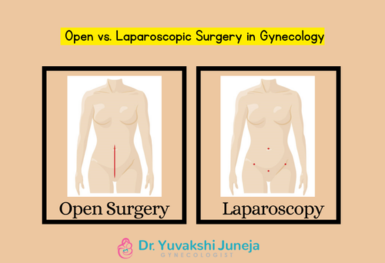
Laparoscopic myomectomy is a minimally invasive procedure used to remove suitable fibroids through small abdominal incisions.
A thin instrument with a camera, called a laparoscope, helps the surgeon view the pelvic organs on a screen while using specialised instruments to perform the procedure.
Potential benefits may include:
Smaller surgical incisions.
Less postoperative discomfort in suitable cases.
Smaller scars.
Potentially shorter recovery compared with open surgery.
However, laparoscopic surgery is not suitable for every patient. The number, size and location of fibroids and the surgeon's assessment help determine whether this approach is appropriate.
Also Read: Laparoscopic Surgery in Delhi
5. Hysteroscopic Myomectomy
Hysteroscopic myomectomy may be recommended for selected fibroids that project into the uterine cavity.
During this procedure, a thin instrument with a camera is passed through the vagina and cervix into the uterus. The surgeon can then remove suitable fibroids without making abdominal incisions.
6. Hysterectomy
Hysterectomy is a surgical procedure in which the uterus is removed. It is a definitive treatment for uterine fibroids because fibroids cannot grow again in a uterus that has been removed.
It may be considered when symptoms are severe, other treatments have not worked or are unsuitable, and the patient does not wish to carry a pregnancy in the future.
Since hysterectomy permanently ends the ability to carry a pregnancy, the decision requires careful discussion with your gynaecologist.
How Are Uterine Fibroids Diagnosed?
Before recommending uterine fibroid treatment in Delhi, your gynaecologist may suggest a few investigations to understand the condition.
1. Pelvic Examination
A physical examination may help the doctor assess the uterus and identify possible changes in its size or shape.
2. Ultrasound
An ultrasound scan is commonly used to identify fibroids and assess their number, size and location.
3. Blood Tests
A complete blood count may be recommended to check for anaemia, particularly if you experience heavy menstrual bleeding.
4. MRI Scan
An MRI may be advised in selected cases when more detailed information about the number, location or size of fibroids is required.
5. Hysteroscopy
Hysteroscopy may be recommended when the doctor needs to examine the inside of the uterine cavity or assess certain fibroids.
Not every woman needs all these tests. Your doctor will recommend investigations based on your symptoms and medical history.
What Should You Expect After Fibroid Surgery?
Recovery after fibroid surgery depends on the type of procedure, the number and size of fibroids removed and your overall health.
After surgery, your doctor may advise you to:
Take prescribed medicines as directed.
Follow the recommended wound-care instructions.
Avoid strenuous activities until medically cleared.
Attend scheduled follow-up appointments.
Maintain a balanced diet and stay hydrated.
Discuss when it is safe to resume exercise, sexual activity and pregnancy planning.
Recovery after laparoscopic, hysteroscopic and open surgery can be different. Your surgeon will explain the expected recovery period and any precautions you should follow.
Also Read: Laparoscopic Surgery: Risks, Benefits and Recovery
Why Consult the Best Gynecologist in South Delhi for Fibroid Treatment?
Every woman's experience with uterine fibroids is different. A treatment that works for one patient may not be suitable for another.
Consulting the Best Gynecologist in South Delhi can help you understand your diagnosis, review your ultrasound findings and explore appropriate treatment options.
Dr. Yuvakshi Juneja is a Senior Consultant in Obstetrics and Gynaecology who provides care for women with different gynaecological conditions. A consultation can help you discuss your symptoms, treatment preferences and future pregnancy plans.
You can learn more about Dr. Yuvakshi Juneja and her gynaecological expertise.
When Should You Consult a Gynaecologist?
Consider consulting a gynaecologist if you experience:
Repeated heavy or prolonged menstrual bleeding.
Persistent pelvic pain or pressure.
Frequent urination or difficulty emptying your bladder.
Unexplained tiredness or weakness.
Difficulty conceiving.
Increasing abdominal discomfort.
Seek urgent medical attention if you experience very heavy bleeding accompanied by dizziness or fainting, sudden severe pelvic pain or difficulty passing urine.
If you are looking for a gynaecology clinic for uterine fibroid evaluation and treatment guidance, a qualified specialist can help you understand your diagnosis and available options.
Women searching for the Best Gynecologist in South Delhi can consult Dr. Yuvakshi Juneja for guidance on fibroid management and women's reproductive health.
Final Thoughts
Uterine fibroids are common, and not every woman diagnosed with them needs surgery. Some fibroids can be monitored, while others may require medication, minimally invasive procedures or surgical treatment.
The decision to consider surgery depends on your symptoms, fibroid location and size, overall health and future pregnancy plans.
If you are experiencing heavy periods, pelvic discomfort or other symptoms associated with fibroids, do not ignore them. A timely consultation can help you understand your condition and choose an appropriate treatment approach.
If you are looking for uterine fibroid treatment in Delhi, consult Dr. Yuvakshi Juneja to discuss your symptoms and available treatment options.
Frequently Asked Questions (FAQs)
1. What Is the Best Treatment for Uterine Fibroids?
The best treatment depends on the size, number and location of fibroids, symptoms, age and pregnancy plans. Options may include regular monitoring, medication, myomectomy or other surgical procedures.
2. Do All Uterine Fibroids Require Surgery?
No. Many fibroids do not cause symptoms and may only require regular monitoring. Surgery is considered when symptoms are significant, other treatments are ineffective or specific clinical concerns make it necessary.
3. What Size of Fibroid Requires Surgery?
There is no single fibroid size that automatically means surgery is required. The location, number of fibroids, symptoms and pregnancy plans are also important.
4. Can Uterine Fibroids Be Removed Without Removing the Uterus?
Yes. Myomectomy removes fibroids while preserving the uterus. It may be suitable for women who want to retain their uterus or plan a future pregnancy.
5. Is Laparoscopic Fibroid Surgery Safe?
Laparoscopic myomectomy is a commonly used minimally invasive approach for suitable patients. Like all operations, it has potential risks, including bleeding, infection and injury to nearby organs. Your surgeon can explain the risks based on your condition.