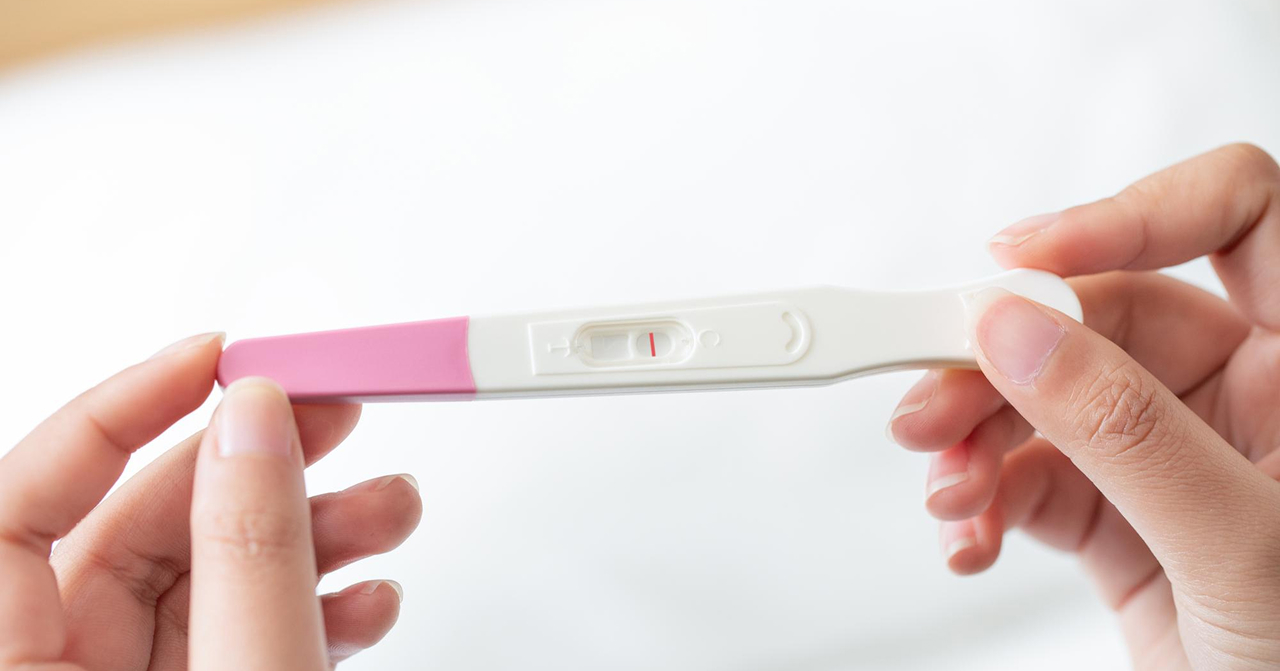
Infertility Treatment in Delhi | IVF Guidance
Infertility is a disease of the male or female reproductive system defined by the failure to achieve a pregnancy after a specific period of trying. It's a common challenge, affecting about 1 in 6 people globally.
What is Infertility?
Infertility is defined as the inability to conceive after a year of trying. For women over the age of 35, infertility is diagnosed after six months of unsuccessful attempts. Women who can conceive but cannot carry a pregnancy to term are also considered infertile.
Infertility does not mean giving up your dream of starting a family — it simply means conception may take more time or require medical assistance.
What Causes Infertility?
Infertility can affect both men and women. Both partners share equal chances of experiencing fertility challenges.
Maternal Age
- Increasing age negatively affects ovarian function.
- Age-related infertility is common in women in their 30s and 40s.
Ovulation Disorders
- Menstrual cycles longer than 35 days indicate abnormal ovulation.
- PCOS is a major cause and is increasingly common among younger women.
Sperm Dysfunction
- Male factor infertility contributes to about 30% of cases.
- Semen analysis is essential when a couple is trying to conceive.
Pelvic Infections & Sexually Transmitted Diseases
- Early sexual activity increases risks of infections and STDs.
- Inflammation, tubal damage, or blockage can lead to infertility.
Alcohol & Drug Abuse
- Long-term alcohol use or substance abuse affects fertility.
- Medical guidance is recommended before trying to conceive.
Weight Issues
- Being underweight or overweight impacts hormonal balance.
- Body weight outside the healthy range can contribute to infertility.
Should You Get Laparoscopy?
Laparoscopy should generally be considered only after basic infertility evaluations. Initial assessments include:
- Ovulation assessment
- Ovarian reserve testing
- Pelvic ultrasound
- Hysterosalpingogram (HSG)
- Semen analysis
Laparoscopy helps evaluate whether the fallopian tubes can pick up the egg. A hysteroscopy allows the doctor to assess if the uterus is healthy enough to sustain a pregnancy.
Most infertile couples first try fertility treatments such as oral ovulation-inducing medications or hormonal injections. Laparoscopy or hysteroscopy is usually advised only if medications do not work after 3–6 cycles.
Not sure if laparoscopy is right for you? Let me help you decide.
Book an appointment
More Services
A Journey to Parenthood – for your IVF inspiration
High Risk Pregnancy Care in Delhi
Expert High-Risk Care
Laparoscopic Surgery in Delhi
Advanced Minimally Invasive Surgery
PCOD Treatment in South Delhi
Expert PCOD Management

Preconception Counselling in Delhi
Healthy Pregnancy Planning

Adolescent Gynecology in Delhi
Teen Gynecology Care

Menopause Treatment in Delhi
Menopause Relief & Balance

Family Planning Services in South Delhi
Smart Family Planning Care