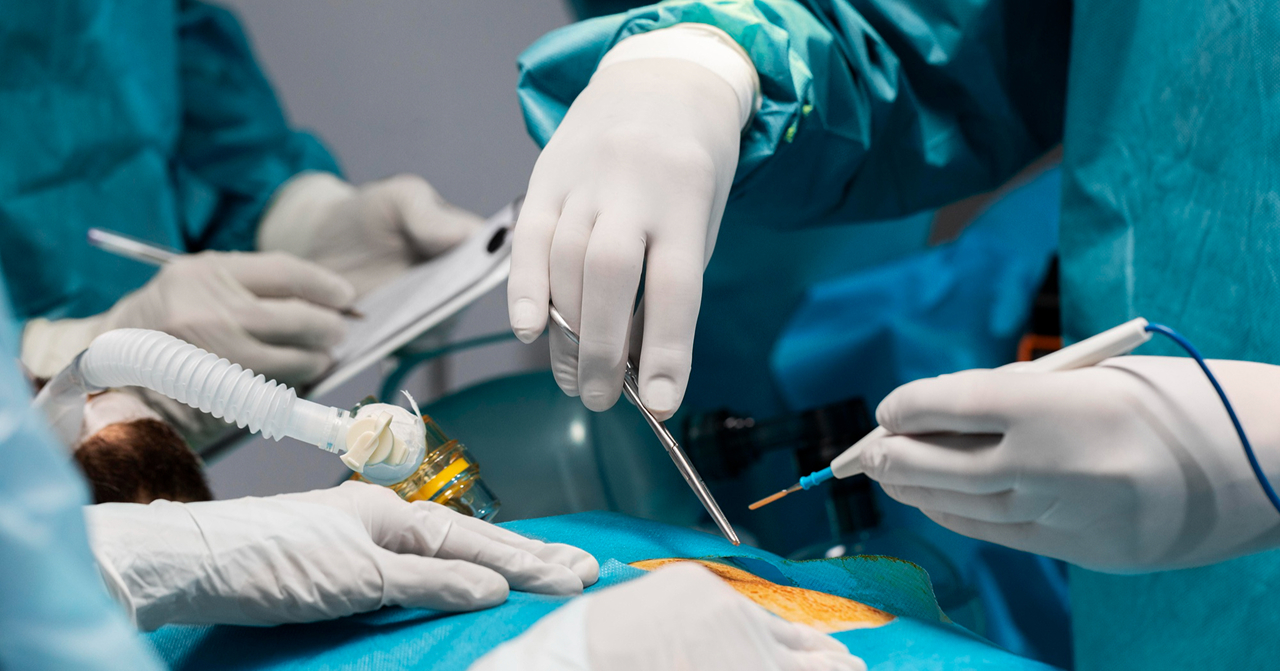
Laparoscopic Surgery in Delhi
Dr. Yuvakshi Juneja is an expert in laparoscopic Surgery, Total Hysterectomy (TLH), myomectomy, cystectomy, recanalization of fallopen tubes, prolapse repair, hysteroscopic procedures.
Dr. Yuvakshi Juneja is an expert in laparoscopic surgery, total laparoscopic hysterectomy (TLH), myomectomy, cystectomy, recanalization of fallopian tubes, prolapse repair, and hysteroscopic procedures.
The Laparoscopic Surgery Process
Performed under general anaesthesia, laparoscopy is a surgery where a surgeon makes a small cut in your navel to insert a laparoscope. The device then transmits images to a screen, giving the doctor a clear view of the organs. If the purpose is only a diagnosis, the doctor will use the process only to check the health of your organs. But if you need a surgery, other incisions are made using the laparoscope as the guide. A doctor can perform multiple surgeries on the patient, including:
- Tubal ligation
- Hysterectomy
- Ovarian cyst removal
- Removal of Fibroids
- Surgery for Endometriosis
When Should You Go for Laparoscopy?
Laparoscopy is used for both diagnosis and treatment. But it isn’t necessarily the route you need to take. You should go for a laparoscopy in cases of an unexplained pelvic pain a history of pelvic infection or unexplained infertility despite going through all the examinations on the doctor’s advice.
The conditions for which laparoscopy diagnosis is recommended, includes:
Conditions Where Laparoscopy Is Recommended
- Uterine fibroids
- Ovarian cysts and tumors
- Reproductive cancers
- Infertility
- Pelvic inflammatory diseases
- Ectopic pregnancy
- Removal of Uterus
- Treatment of endometriosis
Book an appointment
More Services
A Journey to Parenthood – for your IVF inspiration
High Risk Pregnancy Care in Delhi
Expert High-Risk Care
Infertility Treatment in Delhi | IVF Guidance
Advanced Fertility Solutions
PCOD Treatment in South Delhi
Expert PCOD Management

Preconception Counselling in Delhi
Healthy Pregnancy Planning

Adolescent Gynecology in Delhi
Teen Gynecology Care

Menopause Treatment in Delhi
Menopause Relief & Balance

Family Planning Services in South Delhi
Smart Family Planning Care