
PCOD Treatment in South Delhi
PCOD (Polycystic Ovarian Disease), also known as PCOS, is a common hormonal condition affecting women. Get expert PCOD treatment in Delhi to manage symptoms like irregular periods, weight gain, acne, and fertility issues.
What is PCOD (Polycystic Ovarian Disease)?
PCOD is a hormonal condition where the ovaries produce multiple immature eggs, which may turn into cysts. This leads to irregular ovulation, hormonal imbalance, and menstrual issues. It is one of the most common conditions affecting women of reproductive age in India.
Symptoms of PCOD
Irregular or missed periods
Excessive facial or body hair
Acne and oily skin
Weight gain or difficulty losing weight
Hair thinning or hair fall
Difficulty in conceiving
Irregular or missed periods
Excessive facial or body hair
Acne and oily skin
Weight gain or difficulty losing weight
Hair thinning or hair fall
Difficulty in conceiving
Causes of PCOD
Hormonal imbalance
Insulin resistance
Genetic factors
Stress and unhealthy lifestyle
Hormonal imbalance
Insulin resistance
Genetic factors
Stress and unhealthy lifestyle
How PCOD Affects Your Health
If not treated, PCOD may lead to:
Infertility
Diabetes risk
Hormonal imbalance
Mental health issues
PCOD Treatment in Delhi
At our clinic, we provide personalized treatment plans:
Lifestyle Management
Diet and exercise guidance
Weight management
Diet and exercise guidance
Weight management
Medical Treatment
Hormonal therapy
Medication for insulin resistance
Hormonal therapy
Medication for insulin resistance
Fertility Support
Ovulation support
Pregnancy planning
Ovulation support
Pregnancy planning
When Should You See a Doctor?
Consult a gynecologist if you have:
Irregular periods
Difficulty conceiving
Sudden weight gain
Severe acne or hair growth
Why Choose Dr. Yuvakshi Juneja?
30+ years experience
Expert in women’s hormonal health
Personalized treatment approach
Trusted gynecologist in Delhi
30+ years experience
Expert in women’s hormonal health
Personalized treatment approach
Trusted gynecologist in Delhi
FAQs
What is the difference between PCOD and PCOS?
PCOD is generally milder, while PCOS may involve more severe hormonal and metabolic issues.
Can PCOD be cured?
It can be managed effectively with treatment and lifestyle changes.
Can I get pregnant with PCOD?
Yes, many women conceive successfully with proper treatment.
Book an appointment for PCOD Treatment in Delhi Today
Book an appointment
More Services
A Journey to Parenthood – for your IVF inspiration

High Risk Pregnancy Care in Delhi
Expert High-Risk Care
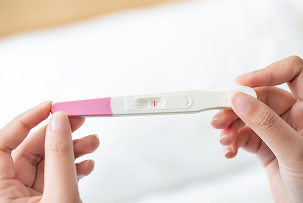
Infertility Treatment in Delhi | IVF Guidance
Advanced Fertility Solutions
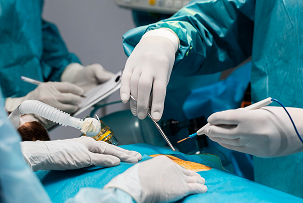
Laparoscopic Surgery in Delhi
Advanced Minimally Invasive Surgery

Preconception Counselling in Delhi
Healthy Pregnancy Planning

Adolescent Gynecology in Delhi
Teen Gynecology Care

Menopause Treatment in Delhi
Menopause Relief & Balance

Family Planning Services in South Delhi
Smart Family Planning Care