Low AMH Levels: What They Mean for Female Fertility and Pregnancy
Trying to conceive can bring many questions, especially when fertility tests show low Anti-Müllerian Hormone (AMH) levels. You may wonder whether low AMH means you cannot get pregnant naturally, whether you will need IVF, or whether it could affect your chances of having a healthy pregnancy.
The good news is that low AMH does not automatically mean infertility. AMH is a hormone that helps doctors estimate ovarian reserve, which refers to the remaining supply of eggs in the ovaries. Although lower levels may indicate a reduced number of eggs available for fertility treatment, they do not directly determine whether you can conceive naturally or have a healthy pregnancy.
Understanding what your AMH results mean, how age affects fertility, and which treatment options may be suitable can help you make informed decisions about your reproductive health.
What Is AMH and Why Is It Important for Female Fertility?
Anti-Müllerian Hormone (AMH) is produced by small developing follicles in the ovaries. These follicles contain immature eggs and release AMH as they develop.
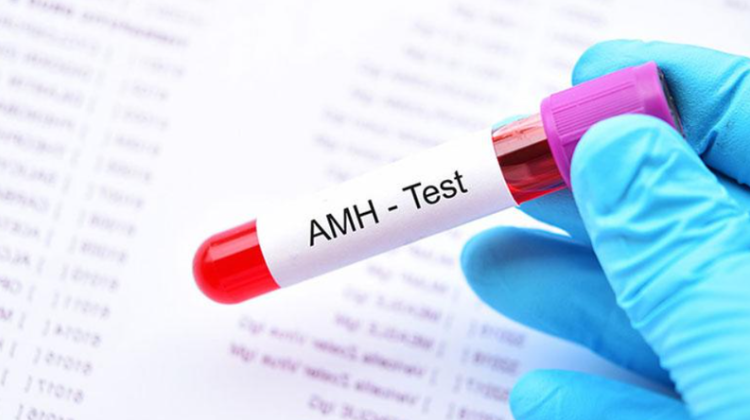
An AMH blood test is commonly used to help assess ovarian reserve. It can provide information about the approximate quantity of eggs remaining in the ovaries and help doctors estimate how the ovaries might respond to fertility medications during treatments such as in vitro fertilisation (IVF).
AMH levels are useful in fertility evaluation because they can help doctors plan appropriate investigations and treatment. However, AMH alone cannot determine egg quality, predict exactly when menopause will occur, or establish whether a woman can become pregnant naturally.
Other factors, including age, ovulation, fallopian tube health, sperm quality, and overall reproductive health, also play important roles in conception.
What Are Normal AMH Levels?
AMH levels vary with age, individual ovarian reserve, the laboratory method used, and the units reported on the test.
AMH is usually measured in nanograms per millilitre (ng/mL) or picomoles per litre (pmol/L). Results should be interpreted using the laboratory's reference range and the patient's clinical circumstances.
In general:
Lower AMH levels: May suggest a reduced ovarian reserve.
Higher AMH levels: May indicate a larger number of small ovarian follicles and can sometimes be associated with polycystic ovary syndrome (PCOS).
AMH levels within the expected range: May suggest an ovarian reserve consistent with the relevant age group, but do not guarantee fertility or pregnancy.
There is no single AMH value that reliably separates fertile women from infertile women. A result that is expected for one age group may have a different significance for another.
Your doctor will interpret the result alongside your age, menstrual history, ultrasound findings, and fertility goals rather than relying on the number alone.
What Does a Low AMH Level Mean?
Low AMH generally suggests that the ovaries have a smaller pool of developing follicles than expected for the relevant reference range.
This may have several implications for fertility planning.
1. Reduced Ovarian Reserve
A low AMH result can indicate that fewer eggs are available in the ovarian reserve compared with what might be expected for your age.
However, AMH does not count every remaining egg, and it cannot provide an exact estimate of how many eggs a woman has left.
2. Possible Reduced Response to IVF Medication
AMH helps fertility specialists estimate how the ovaries may respond to stimulation medications during IVF.
Women with lower AMH may produce fewer eggs during an IVF cycle. This can influence treatment planning and the number of eggs or embryos available for consideration.
However, individual responses vary, and the result cannot predict the exact outcome of an IVF cycle.
3. Fertility Planning May Need Greater Attention
Low AMH may be particularly relevant for women who are planning pregnancy later, have been trying to conceive without success, or are considering fertility preservation.
Depending on age and medical history, a fertility consultation may help clarify the available options and whether further evaluation is appropriate.
Important: Low AMH does not automatically mean that natural pregnancy is impossible or that IVF is necessary.
What Causes Low AMH Levels?
AMH levels naturally change throughout a woman's life. Several factors may contribute to lower results.
1. Increasing Age
Age is one of the most important factors affecting ovarian reserve. The number of eggs gradually decreases over time, and the rate of decline generally becomes more noticeable during the 30s.
Because AMH reflects the activity of developing ovarian follicles, levels commonly decrease with age.
Also Read: Age and Fertility: How Age Affects Pregnancy and Health
2. Genetic Factors
Genetic differences can influence how many eggs a woman has and how quickly her ovarian reserve declines.
Some women naturally have lower AMH levels than others of the same age. A family history of early menopause may also be relevant when discussing ovarian reserve with a doctor.
3. Previous Ovarian Surgery
Certain ovarian surgeries, particularly those involving the removal of ovarian cysts or endometriomas, may affect ovarian tissue and reduce ovarian reserve.
The impact depends on the type of surgery, the condition being treated, and the amount of ovarian tissue affected.
4. Chemotherapy or Radiation Treatment
Some cancer treatments can damage the ovaries and affect the number of remaining follicles.
Women who are preparing for treatments that may affect fertility should discuss fertility preservation options with their medical team when possible.
5. Certain Medical Conditions
Conditions such as endometriosis and some ovarian disorders may be associated with reduced ovarian reserve, particularly when the ovaries are affected or surgery has been required.
However, low AMH can also occur without an identifiable medical cause.
Can You Get Pregnant Naturally With Low AMH?
Yes. Natural pregnancy is possible even when AMH levels are low.
AMH primarily helps estimate ovarian reserve; it does not directly measure whether an egg will be released during a particular cycle or whether fertilisation and implantation will occur.
Women with low AMH may still ovulate and conceive naturally. However, the likelihood of conception depends on several factors, including age, egg quality, ovulation, fallopian tube health, sperm quality, and how long the couple has been trying.
A low AMH result should therefore be interpreted as one part of a fertility assessment rather than a final answer about your ability to conceive.
If you are trying to become pregnant and have received a low AMH result, a fertility consultation can help determine whether additional tests or treatment are appropriate.
Also Read: Infertility in Women: Causes, Symptoms & Treatment
Does Low AMH Affect Egg Quality?
Low AMH mainly provides information about ovarian reserve, not the quality of individual eggs.
Egg quality is more closely associated with age, although individual differences exist. As women get older, the proportion of eggs with chromosomal abnormalities generally increases, which can affect fertilisation, embryo development, and the likelihood of miscarriage.
A younger woman with low AMH may still have eggs capable of producing a healthy pregnancy. Similarly, an AMH result within the expected range does not guarantee good egg quality or successful conception.
Doctors consider age, ovarian reserve, medical history, and other fertility findings together when discussing the chances of pregnancy.
Can Low AMH Affect IVF Success?
Low AMH can influence IVF treatment, particularly the number of eggs that may be collected after ovarian stimulation.
When fewer eggs are retrieved, there may be fewer opportunities for fertilisation and embryo development during that cycle. However, the outcome varies from person to person.
Factors that influence IVF outcomes include:
The woman's age
Ovarian reserve and response to medication
Egg quality
Sperm quality
Embryo development
Uterine health and other medical factors
Previous fertility treatment history
Low AMH does not mean that IVF will fail. Some women with low ovarian reserve achieve pregnancy through IVF, while others may need an individualised treatment plan based on their response and fertility goals.
Also Read: Fertility Treatment: Options for Couples Trying to Conceive
Can Low AMH Levels Be Increased Naturally?
There is currently no reliable evidence that a particular food, supplement, or lifestyle change can substantially increase a woman's underlying ovarian reserve or replenish her egg supply.
However, healthy habits can support general reproductive health and overall wellbeing.
Consider the following:
1. Follow a Balanced Diet
Include vegetables, fruits, whole grains, protein sources, nuts, and healthy fats in your daily diet. Adequate nutrition supports general health when preparing for pregnancy.
2. Maintain Healthy Lifestyle Habits
Avoid smoking, limit alcohol when planning pregnancy, prioritise sleep, and engage in regular physical activity appropriate for your health.
These measures support overall health but should not be presented as a way to reverse low ovarian reserve.
3. Discuss Supplements With Your Doctor
Some women may need specific supplements based on their nutritional status or pregnancy plans. However, no supplement has been proven to reliably restore ovarian reserve or guarantee improved fertility in women with low AMH.
Avoid unverified fertility products or high-dose supplements without professional guidance.
4. Avoid Delaying Fertility Advice When Needed
If you have low AMH and are planning pregnancy, understanding your options early may be more useful than focusing on trying to increase the number through supplements.
Your doctor can help determine whether further evaluation, natural conception attempts, fertility treatment, or fertility preservation should be considered.
What Tests May Be Needed Along With AMH?
AMH is only one part of a complete fertility evaluation. Depending on your symptoms and medical history, your doctor may recommend additional tests.
Antral Follicle Count (AFC)
A transvaginal ultrasound may be used to count small follicles visible in the ovaries. This can provide additional information about ovarian reserve and help estimate the likely response to IVF stimulation.
Follicle-Stimulating Hormone (FSH)
FSH is a hormone involved in follicle development. It may be measured early in the menstrual cycle, often alongside estradiol, when assessing ovarian function.
Menstrual and Ovulation Assessment
Your doctor may review the regularity of your periods and assess whether ovulation is occurring. Additional tests may be recommended if there are concerns about irregular cycles or hormonal conditions.
Other Fertility Investigations
Depending on the situation, evaluation may also include assessment of the fallopian tubes, the uterus, and the male partner's fertility.
Not every woman needs every test. Investigations should be selected according to age, symptoms, medical history, and the length of time spent trying to conceive.
When Should You Consult a Gynecologist for Low AMH?
Consider seeking professional advice if:
Your AMH result is lower than the laboratory's reference range.
You are planning pregnancy and want to understand your ovarian reserve.
You have been trying to conceive without success.
Your periods are irregular or have stopped.
You have a history of ovarian surgery, endometriosis, or cancer treatment.
You are considering egg freezing or other fertility preservation options.
You have concerns about age-related fertility changes.
Women under 35 are generally advised to seek an infertility evaluation after 12 months of trying to conceive, while women aged 35 or older should consider evaluation after six months. Women over 40, or those with known fertility concerns such as markedly irregular periods or a history of ovarian disease, may benefit from earlier assessment.
If you are looking for a Gynecology Clinic for fertility evaluation, Dr. Yuvakshi Juneja provides gynecological care and guidance on fertility-related concerns. A consultation can help you understand your test results and discuss the next steps based on your individual circumstances.
Women searching for the Best Gynecologist in Delhi NCR should prioritise a qualified specialist who explains fertility investigations clearly and recommends care based on their medical history, age, and reproductive goals.
Final Thoughts
Low AMH levels can indicate reduced ovarian reserve, but they do not automatically mean that you cannot conceive naturally or have a healthy pregnancy.
AMH is most useful when interpreted alongside age, menstrual history, ultrasound findings, and other fertility factors. It can help doctors estimate ovarian response during fertility treatment, but it cannot independently predict natural conception or guarantee IVF outcomes.
If you have received a low AMH result, try not to make fertility decisions based on a single number. A personalised medical assessment can help you understand what the result means for your circumstances and whether any further investigations or treatment options should be considered.
For individualised fertility guidance, women looking for the Best Gynecologist in Delhi NCR can consult Dr. Yuvakshi Juneja to discuss ovarian reserve, pregnancy planning, and appropriate fertility evaluation.
Medical Disclaimer: This article is for general educational purposes only and does not replace professional medical advice, diagnosis, or treatment. AMH results should be interpreted by a qualified healthcare professional in the context of age, medical history, and other fertility findings. No single test can determine an individual's ability to conceive or guarantee a pregnancy outcome.
FAQs
1. What does a low AMH level mean?
Low AMH generally suggests a reduced ovarian reserve, meaning fewer developing follicles are present than expected for the relevant reference range. It does not automatically mean infertility or that natural pregnancy is impossible.
2. Can I get pregnant naturally with low AMH?
Yes. Natural pregnancy is possible with low AMH if ovulation and other factors required for conception are favourable. Age, egg quality, fallopian tube health, sperm quality, and other reproductive factors also influence the chances of pregnancy.
3. Does low AMH mean poor egg quality?
No. AMH primarily reflects ovarian reserve rather than egg quality. Age is more closely associated with changes in egg quality, although individual differences exist.
4. Can AMH levels be increased naturally?
There is no proven diet, supplement, or lifestyle intervention that reliably increases the underlying ovarian reserve or replenishes eggs. Healthy habits can support general health, but treatment decisions should be based on a proper fertility assessment.
5. What is considered a low AMH level?
The interpretation depends on the laboratory method, units, age, and clinical context. A result should be compared with the laboratory's reference range and assessed alongside other fertility findings rather than judged using one universal cutoff.
6. Does low AMH mean I need IVF?
No. Low AMH alone does not mean IVF is necessary. The appropriate approach depends on age, how long you have been trying to conceive, ovulation, other fertility test results, and personal reproductive goals.
7. Can low AMH cause irregular periods?
Low AMH does not necessarily cause irregular periods. However, irregular cycles may indicate ovulation or hormonal problems that deserve evaluation. A doctor can assess whether the two findings are related or represent separate concerns.
8. Can women with low AMH have a healthy pregnancy?
Yes. Women with low AMH can have healthy pregnancies. AMH does not directly assess the health of a pregnancy or predict an individual pregnancy outcome.
9. Does age affect AMH levels?
Yes. AMH levels generally decline with age as the ovarian reserve decreases. However, two women of the same age can have different AMH results, and the test cannot independently predict natural fertility.
10. When should I see a gynecologist for low AMH?
Consider a consultation if your AMH result is low, you are planning pregnancy, you have irregular or absent periods, or you have been trying to conceive without success. A gynecologist can interpret your results and recommend appropriate next steps.