Infertility in Women: Causes, Symptoms and Treatment
Infertility in women can make it difficult to get pregnant. It may be caused by problems with ovulation, hormones, the fallopian tubes, or the uterus. Age and certain health conditions can also affect fertility.
Some women may have no clear symptoms. For others, changes in periods or pelvic pain may point to an underlying problem. The first step is to find the cause. Once the cause is known, a doctor can suggest the right treatment.
What Is Female Infertility?
Infertility means having trouble getting pregnant after regular, unprotected intercourse. Women under 35 are usually advised to seek a fertility check after 12 months of trying. Women aged 35 or older should consider an evaluation after 6 months. Women over 40 may need an earlier check.
Infertility does not always mean that pregnancy is not possible. Many fertility problems can be treated, even when no clear cause is found.
What Causes Infertility in Women?
Female infertility can have many causes. The most common ones include problems with ovulation, the fallopian tubes, the uterus, and age.
Problems With Ovulation
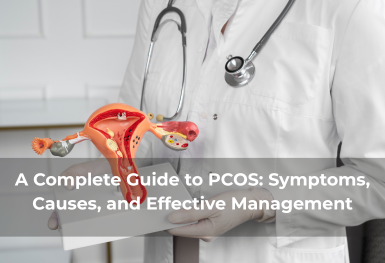
Ovulation is when an ovary releases an egg. If ovulation does not happen often, it can make pregnancy harder. PCOS is one common cause of irregular ovulation. Thyroid problems and other hormone changes can also affect ovulation. Irregular or missed periods may be a sign of an ovulation problem.
Blocked Fallopian Tubes
The fallopian tubes help the egg and sperm meet. They also help the fertilised egg move toward the uterus. A blocked or damaged tube can make pregnancy harder. Past pelvic infections, endometriosis, and some surgeries may affect the tubes.
Problems With the Uterus
The uterus is where a pregnancy grows. Problems inside the uterus may affect pregnancy. Fibroids and polyps are some examples. Endometriosis can also affect fertility. It may cause pain and scar tissue in the pelvis.
Age and Fertility
Age is another important factor. Women are born with a set number of eggs. The number and quality of eggs decrease with age. Fertility starts to decline in the early 30s. The decline becomes faster after age 37.
What Are the First Signs of Infertility?
Infertility may not cause clear symptoms. For many women, the main sign is not getting pregnant after trying for some time.
Some symptoms may point to a problem that can affect fertility. These include:
Irregular periods
Missed periods
Very painful periods
Heavy periods
Pelvic pain
Signs of PCOS
A history of pelvic infection
A history of endometriosis
These symptoms do not always mean infertility. A doctor needs to check the cause.
How Is Female Infertility Diagnosed?
A doctor will ask about your periods, health, medicines, and past pregnancies. They may also ask how long you have been trying to conceive.
Some women may need:
Blood tests
Pelvic ultrasound
Ovulation tests
Tests to check the fallopian tubes
Both partners may need testing. Fertility problems can affect the woman, the man, or both partners.
Also Read: Best Infertility Doctor in Delhi NCR: Treatment Options and Success Rates Explained
What Is the Best Treatment for Female Infertility?
No single treatment works for every woman. The right treatment depends on the cause, age, health, and test results.
Medicines
Some women have trouble with ovulation. Medicines may help the ovaries release an egg. If a hormone problem is found, treatment may help restore normal ovulation.
Surgery
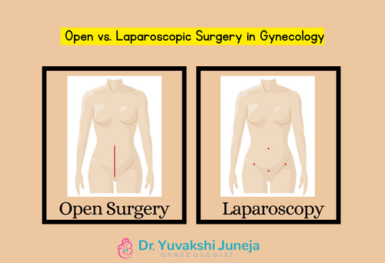
Surgery may help in some cases. It can treat certain fibroids, polyps, blocked tubes, or endometriosis.
IUI and IVF
Some women may need fertility treatments such as IUI or IVF. IUI places prepared sperm inside the uterus around the time of ovulation. IVF is a treatment in which an egg and sperm are joined in a lab. The embryo is then placed inside the uterus. The right treatment depends on the cause of infertility and the results of your fertility tests.
Also Read: How to Naturally Increase Fertility in Women
How to Deal With Female Infertility?
Infertility can be difficult to deal with. It is normal to feel worried, sad, or stressed. Try not to blame yourself or your partner. Infertility is a medical problem. It is not a personal failure.
Talking to a doctor can help you understand what is causing the problem. It can also help you learn about your treatment choices. Dr. Yuvakshi Juneja's care focuses on understanding each woman's health needs before suggesting a treatment plan.
When Should You See a Gynecologist?
Do not ignore changes in your periods or ongoing pelvic pain. These may be linked to a health condition that can affect fertility. If you are looking for the Best Gynecologist in South Delhi, choose a doctor who can assess your symptoms and guide you through the right tests.
Early medical advice can help find problems sooner. It can also help you understand your fertility options.
Final Thoughts
Infertility can have many causes. It may be linked to ovulation, hormones, the fallopian tubes, the uterus, or age. Finding the cause is important before choosing treatment. If you are looking for the Best Infertility Doctor in Delhi NCR, a fertility consultation can help you understand your condition and treatment options.
Disclaimer: This article is intended for general educational and informational purposes only. It should not be considered a substitute for medical advice, diagnosis, or treatment. Please consult a qualified healthcare professional for advice specific to your health and individual needs.
FAQs
1. How to deal with women's infertility?
Start by speaking with a gynecologist or fertility specialist. The doctor can look for the cause and suggest suitable treatment. A healthy lifestyle can also support your overall health.
2. What is the best treatment for female infertility?
There is no single best treatment for everyone. Treatment depends on the cause. It may include medicines, surgery, IUI, or IVF.
3. What are the top 3 causes of female infertility?
Three common causes are ovulation problems, blocked or damaged fallopian tubes, and problems with the uterus. Age can also affect fertility.
4. What are the first signs of infertility?
The main sign is not becoming pregnant after trying for the recommended time. Irregular periods, missed periods, and painful periods may also point to a problem.
5. Can PCOS cause infertility?
Yes. PCOS can affect ovulation and make it harder to get pregnant. Many women with PCOS can become pregnant with the right care.