Irregular Periods in Teenage Girls: When Is It Normal?
Getting your first period is an important milestone, but understanding your menstrual cycle can take time. During the teenage years, periods may arrive earlier or later than expected, and the flow may vary from month to month. These changes can leave teenagers and parents wondering whether irregular periods are a normal part of puberty or a sign of an underlying health concern.
The good news is that irregular periods are common during the first few years after menstruation begins. The body needs time to develop a regular hormonal pattern. However, some menstrual changes, such as very heavy bleeding, severe pain, or periods that stop for several months, should not be ignored.
Understanding what to expect can help teenage girls feel more confident about their menstrual health and recognise when medical advice may be needed.
Are Irregular Periods Normal in Teenage Girls?
Yes. Irregular periods are common during the first few years after a girl gets her first period, also known as menarche. During puberty, the hormones responsible for ovulation and menstruation are still developing a consistent pattern.
As a result, periods may sometimes arrive earlier or later than expected. The amount of bleeding and the duration of each period may also vary.
For many teenagers, menstrual cycles gradually become more predictable over time. However, irregular periods should not automatically be considered normal in every situation.
It is important to pay attention to how frequently periods occur, how heavy the bleeding is, how long it lasts, and whether other symptoms are present.
What Is a Normal Menstrual Cycle for Teenage Girls?
A menstrual cycle is counted from the first day of one period to the first day of the next. During the teenage years, cycle length can differ from that of adults.
Generally, menstrual cycles in adolescents occur approximately every 21 to 45 days, particularly during the first few years after the first period. Menstrual bleeding commonly lasts around 2 to 7 days.
A teenage girl's period may be considered within the expected range when:
Periods occur approximately every 21 to 45 days.
Bleeding usually lasts no longer than 7 days.
Flow varies slightly from one cycle to another.
Mild cramps occur without significantly disrupting everyday activities.
Cycles gradually become more predictable as puberty progresses.
These ranges are general guidelines, not a way to diagnose a menstrual condition. A teenager's age, time since her first period, and individual symptoms also matter.
Also Read: Menstrual Cycle Phases: What Is Normal and What Is Not?
Why Do Teenage Girls Experience Irregular Periods?
Several factors can affect menstrual regularity during adolescence. Some are related to normal puberty, while others may require medical evaluation.
1. Hormonal Changes During Puberty
During puberty, the brain and ovaries gradually develop the hormonal signals that regulate the menstrual cycle. Ovulation may not occur regularly during the early years after the first period.
When ovulation is irregular, the timing and amount of menstrual bleeding may also change.
This is one of the most common reasons for irregular periods in teenage girls. However, persistent or extreme irregularities should still be evaluated.
2. Stress and Emotional Changes
Academic pressure, examinations, family changes, lack of sleep, and emotional stress can influence the hormones involved in menstruation.
Occasional stress may contribute to a delayed period. However, if periods repeatedly become irregular during stressful periods, it is worth discussing the pattern with a healthcare professional.
3. Sudden Weight Changes
Significant weight loss, rapid weight gain, restrictive eating, or inadequate nutrition can affect the hormones responsible for ovulation.
Teenagers need sufficient nutrition to support growth, bone health, and hormonal development. Crash dieting or skipping meals regularly may interfere with menstrual health.
4. Excessive Exercise
Regular physical activity supports overall health, but intense exercise combined with inadequate food intake or insufficient recovery can disrupt menstruation.
Teenagers involved in competitive sports or demanding training programmes should seek medical advice if their periods become infrequent or stop.
5. Polycystic Ovary Syndrome (PCOS)
Polycystic ovary syndrome, or PCOS, is a hormonal condition that can cause irregular or missed periods in adolescents.
Other possible symptoms include persistent acne, increased facial or body hair, and scalp hair thinning. However, acne and irregular periods can also occur as part of normal puberty.
PCOS cannot be diagnosed based on irregular periods or an ultrasound finding alone. A doctor will consider the teenager's age, symptoms, medical history, and appropriate investigations before making a diagnosis.
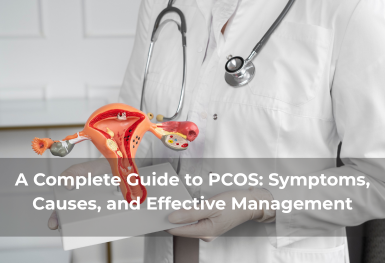
Also Read: A Complete Guide to PCOS: Symptoms, Causes, and Effective Management
6. Thyroid Problems and Other Medical Conditions
The thyroid gland helps regulate several body functions, including metabolism and reproductive hormones. An underactive or overactive thyroid may affect menstrual regularity.
Other health conditions, certain medications, and hormonal disorders may also contribute to irregular periods. If menstrual changes persist, a medical assessment can help identify the cause.
When Are Irregular Periods a Cause for Concern?
Although some variation is normal during puberty, certain menstrual patterns should be evaluated by a healthcare professional.
Consult a doctor if a teenage girl experiences:
Periods occurring more frequently than every 21 days or less frequently than every 45 days on a recurring basis.
A gap of 90 days or more between periods, even if it happens only once.
Menstrual bleeding lasting longer than 7 days.
Very heavy bleeding that requires changing a pad or tampon every 1–2 hours.
Severe cramps that interfere with school, sleep, sports, or other daily activities.
Persistent irregular periods accompanied by excessive facial hair, severe acne, or unexplained weight changes.
Periods that stop after previously becoming regular.
Seek urgent medical attention for very heavy bleeding accompanied by dizziness, fainting, breathlessness, or marked weakness. Severe or sudden abdominal pain also requires prompt assessment.
These symptoms do not necessarily indicate a serious condition, but they should not be dismissed as normal puberty changes.
Can Irregular Periods Affect a Teenage Girl's Health?
Occasional irregular periods during early puberty are often part of normal development. However, persistent menstrual irregularities can sometimes indicate an underlying condition that needs attention.
For example, prolonged or heavy bleeding may lead to iron deficiency or anaemia, which can cause tiredness, weakness, headaches, and difficulty concentrating.
Periods that stop because of inadequate nutrition, excessive exercise, or certain hormonal conditions may also affect bone health during the important years of bone development.
If irregular periods are associated with PCOS, thyroid problems, or another hormonal condition, appropriate evaluation can help manage symptoms and protect long-term health.
How Can Teenage Girls Manage Irregular Periods?
Simple habits can support menstrual health, although lifestyle changes alone may not resolve every cause of irregular periods.
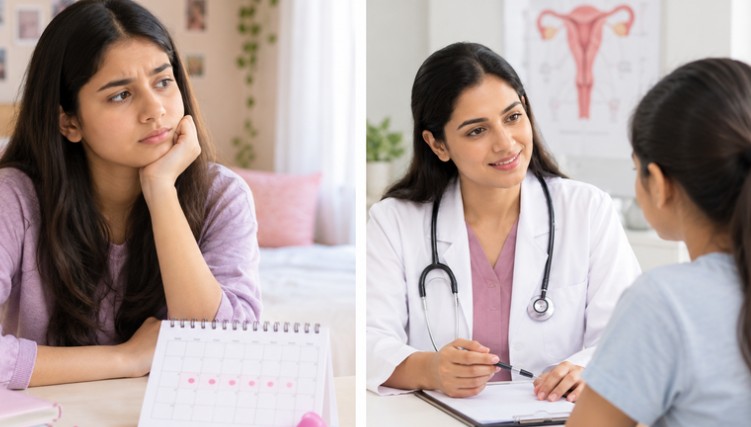
1. Track the Menstrual Cycle
Record the first day of each period, how long bleeding lasts, the approximate flow, and any associated pain or symptoms.
A calendar or period-tracking app can help identify patterns and provide useful information during a medical consultation.
2. Maintain a Balanced Diet
Eat regular, balanced meals containing iron-rich foods, protein, fruits, vegetables, and other nutrients needed for growth.
Avoid crash diets, skipping meals, or restrictive eating habits that may affect hormonal health.
3. Get Enough Sleep
Teenagers generally need around 8–10 hours of sleep each night. A consistent sleep routine can support overall health and help manage stress.
4. Manage Stress
Relaxation techniques, enjoyable hobbies, regular physical activity, and support from trusted adults may help teenagers cope with stress.
Persistent menstrual changes should still be evaluated rather than attributed to stress alone.
5. Avoid Self-Medication
Do not use hormonal tablets, period-inducing medicines, or supplements without medical guidance. The appropriate treatment depends on the underlying cause and the teenager's individual health needs.
How Are Irregular Periods Diagnosed in Teenage Girls?
A doctor will usually begin by asking about the teenager's first period, cycle pattern, bleeding duration, pain, medical history, nutrition, exercise, and other symptoms.
Depending on the findings, the evaluation may include:
Reviewing menstrual and growth history.
Assessing symptoms such as fatigue, acne, excess hair growth, or weight changes.
Blood tests to check for anaemia, thyroid disorders, or specific hormonal concerns when indicated.
Additional investigations, such as an ultrasound, when clinically appropriate.
Not every teenager needs blood tests or an ultrasound. Investigations are selected according to the symptoms and suspected cause.
A respectful, age-appropriate consultation can help teenagers understand their bodies and feel more comfortable discussing menstrual concerns.
When Should You Consult a Gynecologist?
Parents and teenagers should consider seeking medical advice if periods remain irregular beyond the expected early adjustment period, stop for three months, become unusually heavy, or cause significant pain.
A consultation is also important if irregular periods occur alongside persistent acne, excess facial hair, unexplained weight changes, fatigue, or other concerning symptoms.
If you are looking for a Gynecology Clinic that provides guidance on adolescent menstrual health, Dr. Yuvakshi Juneja offers gynecological care for teenage girls and women, including evaluation of irregular periods and hormonal concerns.
An experienced gynecologist can help determine whether the menstrual pattern is part of normal puberty or requires further assessment and treatment.
Final Thoughts
Irregular periods are common during the first few years after menstruation begins because the hormonal system is still developing. Small variations in cycle length or flow are often normal, and many teenagers find that their periods gradually become more predictable.
However, very heavy bleeding, severe pain, a gap of 90 days or more between periods, or persistent irregularities should not be ignored. Conditions such as PCOS, thyroid disorders, nutritional deficiencies, and other hormonal concerns may require medical evaluation.
Encouraging teenage girls to track their periods and speak openly about menstrual changes can help them understand their health without unnecessary fear or embarrassment.
For personalised guidance on adolescent menstrual health, families looking for the Best Gynecologist in South Delhi can consult Dr. Yuvakshi Juneja for an assessment based on the teenager's symptoms and individual needs.
Medical Disclaimer: This article is intended for general educational purposes only and does not replace professional medical advice, diagnosis, or treatment. Menstrual patterns vary during adolescence, and a qualified healthcare professional should evaluate persistent irregularities or concerning symptoms.
FAQs
1. Is it normal for teenage girls to have irregular periods?
Yes. Irregular periods are common during the first few years after the first period because the hormonal system is still developing. However, periods that stop for 90 days, become very heavy, or remain persistently irregular should be evaluated.
2. How long does it take for periods to become regular after the first period?
Periods may take a few years to become more predictable after menstruation begins. However, a gap of 90 days between periods is not considered a typical variation, even during the early years, and should be discussed with a healthcare professional.
3. How many days between periods is normal for teenagers?
Menstrual cycles in adolescents generally occur every 21 to 45 days. The exact pattern can vary, particularly during the first few years after the first period.
4. Can stress cause irregular periods in teenage girls?
Yes. Stress can affect the hormonal signals involved in menstruation and may contribute to delayed or missed periods. Persistent irregularities should not automatically be attributed to stress without considering other possible causes.
5. Can PCOS cause irregular periods in teenagers?
Yes. PCOS can cause irregular or missed periods, sometimes alongside persistent acne or increased facial and body hair. However, irregular periods and acne are also common during puberty, so a proper clinical evaluation is necessary before diagnosing PCOS.
6. When should parents worry about irregular periods in teenage girls?
Parents should seek medical advice if periods stop for 90 days, bleeding lasts longer than seven days, bleeding is very heavy, or menstrual pain disrupts daily activities. Dizziness, fainting, or severe pain may require urgent medical attention.
7. Can irregular periods affect future fertility?
Irregular periods do not automatically mean a teenager will have fertility problems in the future. However, some underlying conditions that affect ovulation, such as PCOS or thyroid disorders, may need management. Early evaluation can help identify these conditions.
8. What should teenage girls eat to help regulate their periods?
A balanced diet containing adequate calories, protein, iron, healthy fats, fruits, and vegetables supports normal growth and hormonal health. No specific food can guarantee regular periods, and persistent irregularities may require medical evaluation.
9. Do teenage girls need an ultrasound for irregular periods?
Not always. Many cases can initially be assessed through medical history, symptom review, and examination. Blood tests or imaging may be recommended when the symptoms suggest an underlying condition.
10. Which doctor should a teenager consult for irregular periods?
A qualified gynecologist or healthcare professional experienced in adolescent health can evaluate irregular periods, identify possible causes, and recommend suitable treatment. A supportive, age-appropriate consultation can help teenagers discuss their concerns comfortably.