Endometriosis: Symptoms, Causes, Diagnosis and Treatment Options
Severe period pain, persistent pelvic discomfort, or pain during intercourse can affect a woman's daily life in ways that are often difficult to explain. While mild menstrual cramps are common, pain that repeatedly interferes with work, studies, sleep, or everyday activities should not be ignored. One possible cause of these symptoms is endometriosis.
Endometriosis is a chronic condition in which tissue similar to the lining of the uterus grows outside it. It can cause inflammation, pelvic pain, painful periods, and sometimes difficulty getting pregnant. However, symptoms vary from woman to woman, and some women may have endometriosis without experiencing noticeable symptoms.
Understanding the symptoms, possible causes, diagnostic process, and available treatment options can help women seek appropriate care and make informed decisions about their reproductive health.
What Is Endometriosis?
Endometriosis is a condition in which tissue similar to the endometrium, the lining inside the uterus, grows in other areas of the body, commonly around the ovaries, fallopian tubes, and tissues lining the pelvis.
This tissue can respond to hormonal changes during the menstrual cycle. The resulting inflammation may contribute to pain, scar tissue, and adhesions, in which nearby tissues or organs become stuck together.
In some cases, endometriosis can also lead to endometriomas, which are cysts associated with endometriosis that develop in the ovaries.
Endometriosis is a long-term condition, but its symptoms can often be managed with appropriate medical treatment. The most suitable approach depends on symptom severity, the location of the disease, age, medical history, and whether pregnancy is a current or future goal.
What Are the Common Symptoms of Endometriosis?
The symptoms of endometriosis can range from mild to severe. Some women experience symptoms mainly during their periods, while others have pain throughout the month.
Common symptoms include:
Severe menstrual cramps: Period pain that is unusually intense, worsens over time, or interferes with daily activities.
Chronic pelvic pain: Pain in the lower abdomen or pelvis that may occur before, during, or after menstruation.
Pain during or after sex: Discomfort, particularly with deep penetration, that may continue after intercourse.
Heavy or irregular bleeding: Some women experience heavy menstrual bleeding or spotting between periods, although these symptoms can have other causes.
Pain during bowel movements or urination: This may be more noticeable during menstruation, depending on where the endometriosis is located.
Digestive symptoms: Bloating, nausea, constipation, or diarrhoea, particularly around periods.
Difficulty getting pregnant: Endometriosis may affect fertility in some women.
Fatigue: Ongoing pain and disrupted sleep may contribute to tiredness and reduced quality of life.
Not every woman with these symptoms has endometriosis. Other conditions, including fibroids, adenomyosis, ovarian cysts, and pelvic infections, may cause similar problems. A medical evaluation can help identify the underlying cause.
Also Read: Are Painful Periods a Sign of Good Fertility?
What Causes Endometriosis?
The exact cause of endometriosis is not fully understood. Researchers believe that several biological and genetic factors may contribute to its development.
1. Retrograde Menstruation
One proposed explanation is retrograde menstruation. This occurs when some menstrual blood flows backwards through the fallopian tubes into the pelvic cavity rather than leaving the body through the vagina.
Although this process occurs in many women, it does not explain every case of endometriosis. Other factors must also be involved in the development of the condition.
2. Immune System Factors
The immune system normally helps identify and remove abnormal cells and tissues. Differences in immune responses may contribute to the persistence of endometriosis-related tissue outside the uterus.
However, the exact relationship between immune function and endometriosis is still being studied.
3. Genetic Factors
Endometriosis can run in families. Women whose mothers or sisters have the condition may have a higher risk of developing it themselves.
Having a family history does not mean that a woman will necessarily develop endometriosis, but it may be relevant when evaluating symptoms.
4. Hormonal Influences
Estrogen plays an important role in the growth and activity of endometriosis-related tissue. Hormonal changes can influence inflammation and symptoms, which is why treatments that suppress hormonal activity may help some women manage the condition.
5. Other Possible Factors
Researchers are also investigating the roles of cellular changes, inflammation, and other biological mechanisms. No single explanation accounts for every case.
Endometriosis is not caused by poor personal hygiene, and it is not something a woman can prevent simply by changing her daily habits.
Who Is at Risk of Developing Endometriosis?
Endometriosis can affect women during their reproductive years, although the age at which symptoms begin can vary.
Factors associated with a higher likelihood of endometriosis include:
A mother, sister, or other close relative with the condition.
Menstrual cycles that are relatively short or periods that last several days.
Menstrual pain that becomes progressively worse.
Reproductive or anatomical factors that affect the normal flow of menstrual blood.
However, endometriosis can occur without any recognised risk factors. Women who have never been pregnant can develop the condition, and pregnancy is not a recommended treatment or a reliable way to prevent it.
Can Endometriosis Affect Fertility?
Yes. Endometriosis can affect fertility in some women, but it does not mean that pregnancy is impossible.
Depending on its location and severity, the condition may contribute to inflammation, scar tissue, adhesions, or changes affecting the ovaries and fallopian tubes. These changes may interfere with the processes involved in conception.
However, many women with endometriosis conceive naturally, while others may benefit from fertility treatment.
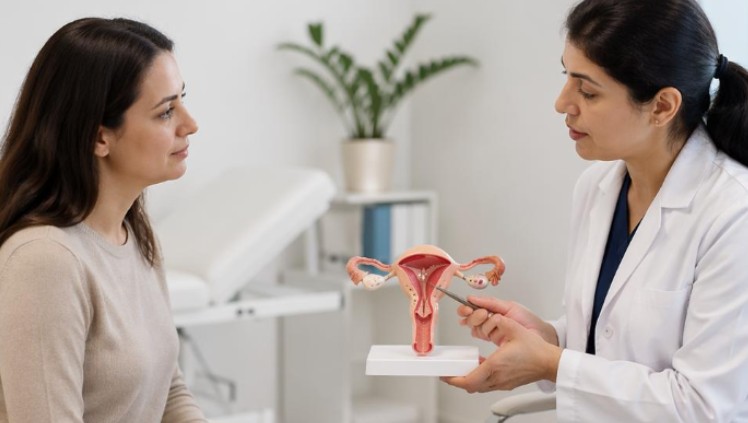
If you have endometriosis and are planning a pregnancy, a gynecologist can help you understand your options. The evaluation may consider your age, symptoms, ovarian reserve, fallopian tube health, and how long you have been trying to conceive.
Treatment decisions should balance pain relief, the potential benefits and risks of surgery, and individual fertility goals.
Also Read: Fertility Treatment: Options for Couples Trying to Conceive
How Is Endometriosis Diagnosed?
Diagnosing endometriosis can take time because its symptoms often overlap with those of other gynecological and digestive conditions. There is no single symptom or routine test that can identify every case.
A gynecologist may recommend the following steps.
1. Medical History and Symptom Assessment
Your doctor may ask about your menstrual cycle, the severity and timing of pain, bleeding patterns, digestive symptoms, pain during intercourse, family history, and fertility concerns.
Keeping a record of symptoms throughout the menstrual cycle can help identify patterns and make the consultation more informative.
2. Physical and Pelvic Examination
Depending on your symptoms and circumstances, a physical or pelvic examination may be recommended. It may help identify tenderness, restricted movement, or certain pelvic abnormalities.
A normal examination does not rule out endometriosis.
3. Ultrasound Imaging
A pelvic ultrasound may help identify ovarian endometriomas and some forms of deep endometriosis. It can also help assess other possible causes of pelvic pain, such as ovarian cysts or fibroids.
However, superficial endometriosis may not be visible on ultrasound. A normal scan does not necessarily mean that endometriosis is absent.
4. MRI Scan
Magnetic resonance imaging (MRI) may be recommended when deeper endometriosis is suspected or when more detailed information about the location and extent of the disease is needed for treatment planning.
MRI is not required for every patient.
5. Laparoscopy
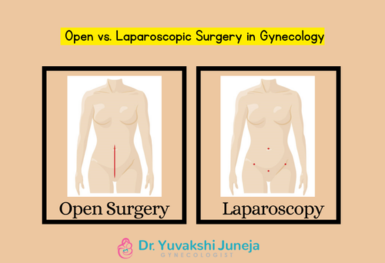
Laparoscopy is a minimally invasive surgical procedure in which a doctor uses a small camera inserted through the abdomen to examine the pelvic area.
It may be considered when symptoms persist despite treatment, imaging is inconclusive, or surgery is being considered. In selected cases, endometriosis can be treated during the same procedure.
Surgery is not necessary for every woman to receive a clinical diagnosis or begin treatment. The decision depends on individual symptoms, examination findings, imaging results, and treatment goals.
What Are the Treatment Options for Endometriosis?
There is currently no guaranteed cure for endometriosis, but several treatments can help manage symptoms and improve quality of life. Treatment does not need to be the same for every woman.
1. Pain-Relief Medicines
Non-steroidal anti-inflammatory drugs (NSAIDs) and other pain-relief medicines may help reduce menstrual cramps and pelvic pain.
These medicines are not suitable for everyone, particularly women with certain stomach, kidney, or other health conditions. A healthcare professional can help determine which medicine is appropriate and how it should be used.
2. Hormonal Treatment
Hormonal treatments may help reduce the activity of endometriosis-related tissue and improve pain symptoms.
Depending on a woman's medical history and needs, options may include:
Combined hormonal contraceptives.
Progestogen-based medicines.
Hormonal intrauterine systems.
Other hormone-suppressing medicines, such as GnRH agonists or antagonists, in selected cases.
These treatments can help control symptoms, but they do not necessarily remove existing endometriosis. Symptoms may return after treatment is stopped.
Hormonal treatment is generally not used to improve natural fertility while a woman is actively trying to conceive. Your doctor will discuss the benefits, potential side effects, and suitability of each option.
3. Laparoscopic Surgery
Surgery may be considered when pain remains significant despite medical treatment, when endometriomas or deep endometriosis require assessment or treatment, or in selected fertility-related situations.
During laparoscopic surgery, a surgeon may remove or destroy endometriosis-related lesions and release adhesions where appropriate.
Surgery can improve symptoms for some women, but endometriosis may recur. Procedures involving the ovaries may also affect ovarian reserve, so the potential benefits and risks should be discussed carefully, particularly when future pregnancy is a priority.
4. Fertility Treatment
Women who experience difficulty conceiving because of endometriosis may benefit from an individualised fertility assessment.
Depending on the circumstances, options may include expectant management, fertility medicines for other identified ovulation problems, intrauterine insemination (IUI) in selected cases, or in vitro fertilisation (IVF).
The appropriate option depends on age, ovarian reserve, fallopian tube function, sperm health, disease severity, and previous treatments.
5. Lifestyle Measures and Supportive Care
Lifestyle measures cannot cure endometriosis, but they may support general well-being and help some women cope with persistent symptoms.
Helpful measures may include:
Engaging in physical activity as tolerated.
Maintaining a balanced diet and regular sleep routine.
Using a heating pad to help relieve menstrual cramps.
Tracking symptoms and identifying individual triggers.
Seeking support for the emotional impact of chronic pain.
Discussing pelvic floor physiotherapy if pelvic floor muscle tension contributes to pain.
These measures should complement, rather than replace, medical care when symptoms are persistent or severe.
When Should You Consult a Gynecologist?
Period pain should not be dismissed simply because it is common. If menstrual or pelvic pain regularly affects your ability to work, study, sleep, exercise, or participate in everyday activities, it deserves medical attention.
Consider consulting a gynecologist if you experience:
Severe or progressively worsening period pain.
Persistent pelvic or lower abdominal pain.
Pain during or after sexual intercourse.
Pain during bowel movements or urination, particularly around menstruation.
Heavy bleeding or spotting between periods.
Difficulty conceiving.
Symptoms that continue despite usual pain-relief measures.
Seek urgent medical attention if you experience sudden, severe pelvic pain, especially with fainting, fever, persistent vomiting, or heavy bleeding.
If you are looking for a Gynecology Clinic for the evaluation of persistent period pain, pelvic discomfort, or suspected endometriosis, Dr. Yuvakshi Juneja provides gynecological care for menstrual and reproductive health concerns.
A consultation can help assess your symptoms, determine whether further investigations are appropriate, and discuss a treatment plan based on your health and reproductive goals.
Final Thoughts
Endometriosis is a chronic gynecological condition that can cause severe menstrual cramps, persistent pelvic pain, pain during intercourse, digestive discomfort, and difficulty getting pregnant in some women. Its symptoms vary, and a normal ultrasound does not always rule it out.
Although the exact cause remains uncertain, several treatment options are available, including pain-relief medicines, hormonal therapies, surgery in selected cases, and fertility treatment when needed.
Persistent or worsening period pain should not be considered something you simply have to tolerate. Seeking timely medical advice can help identify the cause of your symptoms and guide you toward appropriate care.
Women searching for the Best Gynecologist in Delhi NCR for endometriosis-related concerns can consult Dr. Yuvakshi Juneja to discuss their symptoms, diagnostic options, and personalised treatment choices.
Medical Disclaimer: This article is intended for educational purposes only and does not replace professional medical advice, diagnosis, or treatment. Symptoms of endometriosis can overlap with those of other conditions. Consult a qualified healthcare professional for an individual assessment and appropriate medical guidance.
FAQs
1. What is endometriosis, and what causes it?
Endometriosis is a condition in which tissue similar to the lining of the uterus grows outside it, often around the ovaries, fallopian tubes, and pelvic tissues. Its exact cause is unknown, but hormonal, genetic, immune, and other biological factors may contribute.
2. What are the first signs of endometriosis?
Common symptoms include painful periods, pelvic pain, pain during intercourse, and discomfort during bowel movements or urination, particularly around menstruation. Some women may also experience heavy bleeding or difficulty getting pregnant. Symptoms vary, and some women have no noticeable symptoms.
3. Can endometriosis be diagnosed through an ultrasound?
Ultrasound can identify some forms of endometriosis, including many ovarian endometriomas, but it cannot detect every case. A normal ultrasound does not rule out endometriosis. Further assessment may be recommended based on symptoms and clinical findings.
4. Can endometriosis be cured permanently?
There is currently no guaranteed permanent cure for endometriosis. However, pain-relief medicines, hormonal treatments, and surgery in selected cases can help manage symptoms. Symptoms may return after treatment, so ongoing care may be needed.
5. Can women with endometriosis get pregnant naturally?
Yes. Many women with endometriosis conceive naturally, although the condition can affect fertility in some cases. If you are planning a pregnancy or experiencing difficulty conceiving, a gynecologist can help assess your individual situation and discuss appropriate options.
6. What is the best treatment for endometriosis?
The most appropriate treatment depends on symptom severity, disease location, medical history, previous treatment, and pregnancy plans. Options may include pain-relief medicines, hormonal therapies, laparoscopic surgery, or fertility treatment. A gynecologist can help select an individualised approach.
7. Can endometriosis return after surgery?
Yes. Endometriosis symptoms and lesions can recur after surgery. The likelihood varies depending on the extent of the disease, the procedure performed, and other individual factors. Follow-up care and additional treatment may be recommended when appropriate.
8. When should I see a gynecologist for suspected endometriosis?
Consult a gynecologist if period pain is severe, progressively worsening, or interfering with daily activities, or if you experience persistent pelvic pain, pain during intercourse, painful bowel movements, or difficulty conceiving. Sudden, severe pelvic pain requires urgent medical assessment.