Are Painful Periods a Sign of Good Fertility?
Period pain is extremely common, and many women experience cramps, lower abdominal pain, backache, or discomfort around the time of menstruation. Because these symptoms are associated with the menstrual cycle, some women wonder whether having painful periods means that their reproductive system is working well or that they have good fertility.
The short answer is no. Painful periods are not a sign of good fertility. While mild cramps can be a normal part of menstruation, severe or worsening period pain may sometimes be associated with an underlying gynaecological condition that can affect fertility.
Understanding the difference between normal menstrual cramps and pain that needs medical attention can help you take better care of your reproductive health.
Why Do Periods Hurt?
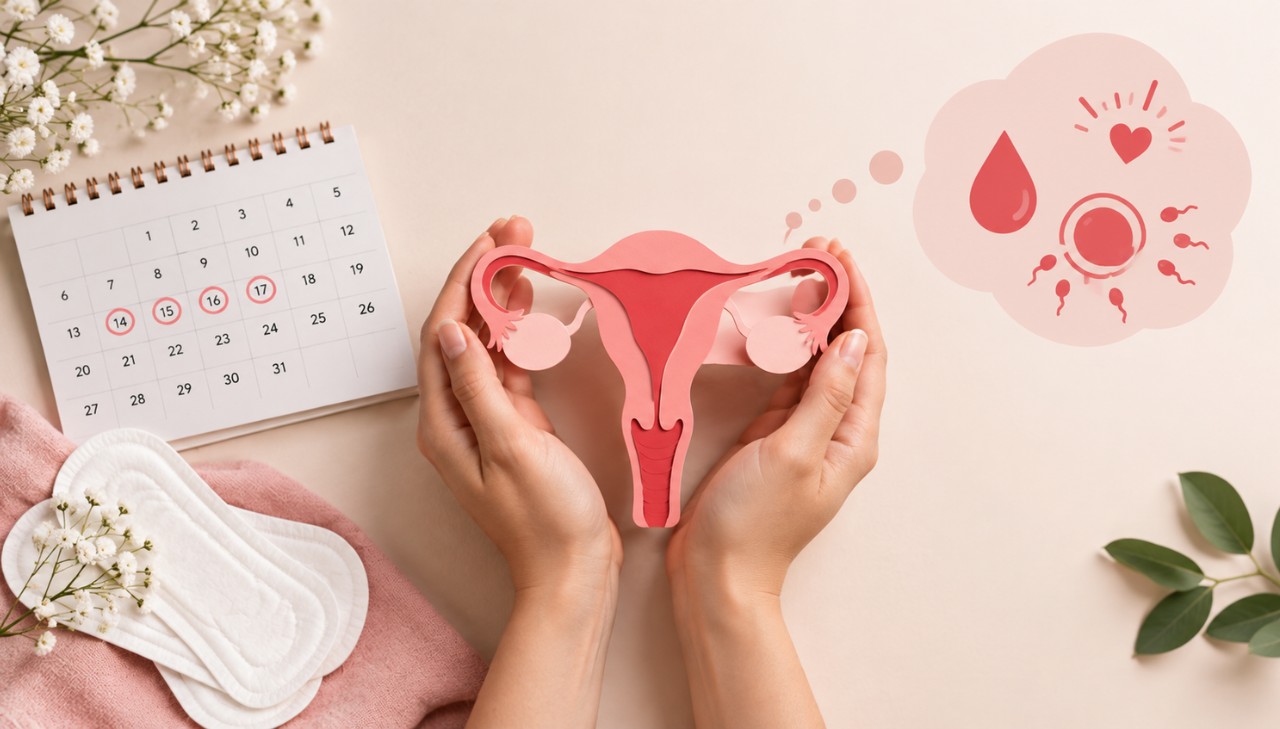
During menstruation, the uterus contracts to help shed its lining. These contractions are influenced by hormone-like substances called prostaglandins and can cause cramping or discomfort.
Mild to moderate period pain that lasts for a few days and does not significantly interfere with daily activities can be common. Some women may also experience lower back pain, nausea, headaches, or tiredness around their periods.
However, the severity of period pain does not tell you how fertile you are. Fertility depends on several factors, including ovulation, egg health, the condition of the fallopian tubes and uterus, sperm health, age, and other reproductive factors.
Does Having Painful Periods Mean You Are Ovulating?
Not necessarily. Period pain itself cannot confirm whether ovulation is occurring.
Ovulation is the release of an egg from an ovary and usually happens before the next period. A regular menstrual cycle can provide useful information about reproductive health, but having painful periods does not automatically mean that you are ovulating normally or that conception will be easy.
If you are trying to conceive, tracking your menstrual cycle and discussing any unusual symptoms with a doctor can provide a clearer picture of your reproductive health.
When Can Painful Periods Be a Concern for Fertility?
Occasional mild cramps are generally not a reason to worry about fertility. However, severe, persistent, or progressively worsening period pain deserves medical evaluation.
One possible cause is endometriosis, a condition in which tissue similar to the lining of the uterus grows outside the uterus. It can cause painful periods, pelvic pain, pain during or after sex, and sometimes difficulty getting pregnant.
Other conditions, including adenomyosis, fibroids, pelvic inflammatory disease, and ovarian problems, can also cause significant pelvic or menstrual pain.
This does not mean that every woman with painful periods has a fertility problem. The cause of the pain and its effect on fertility can vary considerably from person to person.
Signs That You Should See a Gynecologist
Consider speaking with a doctor if your period pain:
Is severe enough to interfere with work, school, exercise, or everyday activities
Has become noticeably worse over time
Does not improve with usual pain-relief measures
Is accompanied by very heavy or irregular periods
Occurs along with pain during or after sex
Causes pain while passing urine or stools
Is accompanied by ongoing pelvic pain
Is associated with difficulty getting pregnant
Severe period pain that affects your daily life should not simply be accepted as something you have to live with. A doctor can assess your symptoms and determine whether further evaluation is needed.
Can Endometriosis Affect Fertility?
Endometriosis does not mean that pregnancy is impossible. Many women with endometriosis are able to conceive, while others may experience difficulty getting pregnant.
The condition can affect the pelvic environment and, in some cases, lead to inflammation or scarring that may interfere with fertility. Endometriosis is therefore one of the conditions doctors may consider when a woman has significant period pain along with fertility concerns.
If you have painful periods and are planning a pregnancy, an evaluation with a gynecologist can help identify possible causes and discuss appropriate treatment or fertility planning.
What Does Good Fertility Actually Depend On?
Fertility is influenced by several factors rather than the presence or absence of period pain. These include:
Regular ovulation
Egg quantity and quality
Healthy fallopian tubes
A healthy uterus and endometrial lining
Age
Hormonal health
Sperm quality and reproductive health of the partner
Certain medical or gynecological conditions
A regular menstrual cycle may indicate that ovulation is occurring, but it cannot by itself confirm fertility. Similarly, painful periods cannot be used as a measure of reproductive potential.
When Should You Seek Fertility Advice?
If you have been trying to conceive without success, or if you already have a condition such as endometriosis that may affect fertility, it can be helpful to seek medical advice rather than waiting for symptoms to become more severe.
Fertility assessment may involve reviewing your menstrual history, ovulation pattern, medical history, and other relevant factors. Depending on your individual situation, your doctor may recommend additional investigations.
Dr. Yuvakshi Juneja provides gynecological care for women experiencing menstrual concerns and other reproductive health issues. Understanding the cause of persistent or severe period pain can be an important part of maintaining overall reproductive health.
When painful periods are accompanied by difficulty conceiving, seeking guidance from a Best Infertility Doctor in Delhi NCR can help identify possible underlying causes and determine whether further evaluation is needed.
Final Thoughts
Painful periods are not an indication of good fertility. Mild menstrual cramps can be a normal part of the menstrual cycle, but severe or persistent pain may sometimes point to conditions such as endometriosis or fibroids that require medical evaluation.
Instead of judging fertility based on how painful your periods are, pay attention to your overall menstrual pattern, ovulation, reproductive health, and any symptoms that seem unusual or are affecting your quality of life.
If period pain is severe, worsening, or accompanied by other unusual symptoms, seeking timely medical advice can help identify the underlying cause and support better reproductive health.
Disclaimer: This information is intended for general educational purposes only and should not be considered medical advice. Please consult a qualified medical professional for guidance based on your individual health needs.
FAQs
1. Are painful periods a sign of good fertility?
No. Painful periods do not indicate good fertility. Mild cramps can be a normal part of menstruation, while severe or persistent period pain may sometimes be linked to conditions that can affect reproductive health.
2. Can painful periods affect fertility?
Painful periods do not necessarily mean that fertility is affected. However, severe menstrual pain can sometimes be associated with conditions such as endometriosis, adenomyosis, or fibroids, which may affect fertility in some women.
3. Does having regular periods mean I am fertile?
Regular periods can indicate that your menstrual cycle is functioning regularly, but they do not confirm fertility. Fertility also depends on factors such as ovulation, egg health, fallopian tube health, the uterus, age, hormones, and sperm health.
4. When should I see a gynecologist for painful periods?
You should consider seeing a gynecologist if your period pain is severe, getting worse, interfering with daily activities, accompanied by very heavy or irregular bleeding, or associated with pain during sex, urination, or bowel movements.
5. Can endometriosis cause painful periods and difficulty getting pregnant?
Yes. Endometriosis can cause painful periods and may be associated with difficulty conceiving in some women. However, having endometriosis does not mean that pregnancy is impossible, and many women with the condition are able to conceive.
6. Can painful periods indicate an ovulation problem?
Not necessarily. Period pain alone cannot confirm whether ovulation is occurring normally. If you have concerns about ovulation or are having difficulty conceiving, a medical evaluation can help identify possible causes.