Best Endometriosis Treatment in South Delhi: Symptoms, Diagnosis and Care
Experiencing severe period pain, persistent pelvic discomfort or irregular menstrual cycles can affect everyday life. While many women consider these symptoms a normal part of menstruation, they can sometimes indicate an underlying gynaecological condition called endometriosis. It is a chronic condition that can cause significant pain, affect fertility and impact overall well-being.
Understanding the condition and seeking timely medical advice can make a meaningful difference in managing its symptoms. If you are looking for the best endometriosis treatment in South Delhi, learning about its warning signs, diagnostic methods and available treatment options is a good starting point.
With appropriate medical guidance, personalised treatment and regular follow-ups, women can manage endometriosis and improve their quality of life.
What Is Endometriosis?
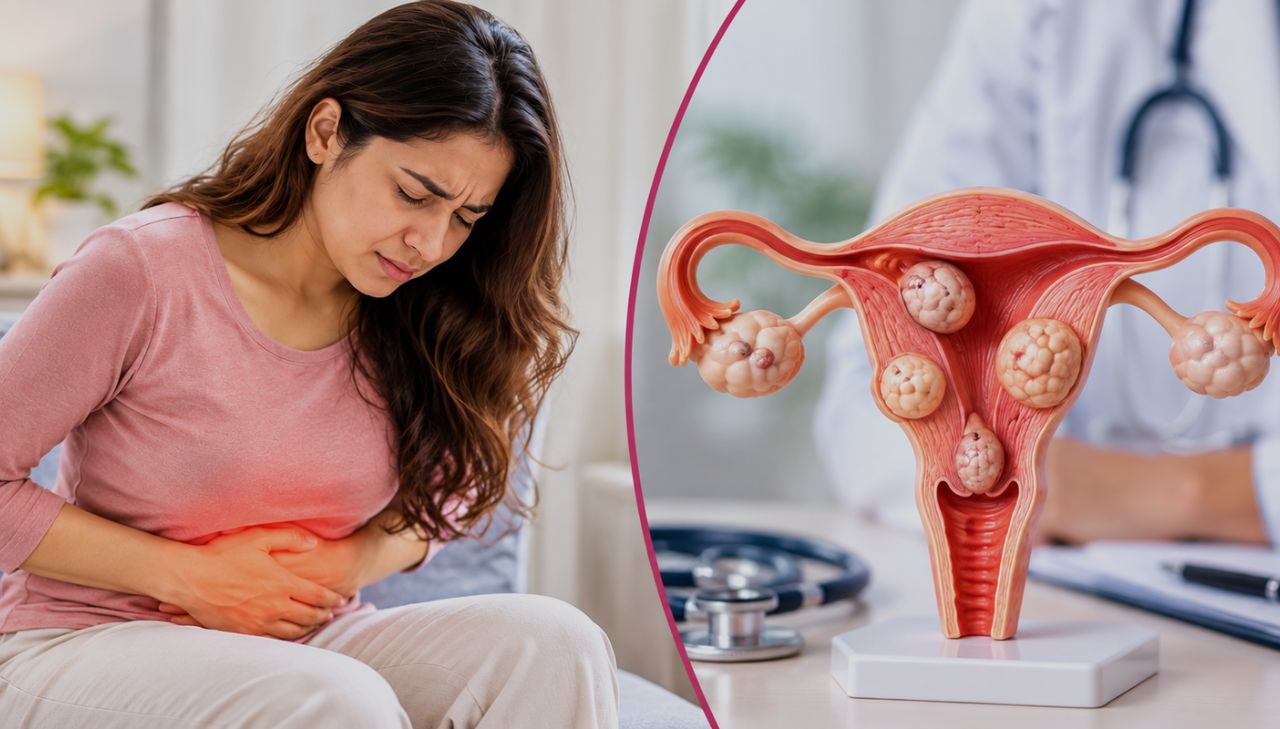
Endometriosis is a chronic gynaecological condition in which tissue similar to the lining of the uterus grows outside the uterus. These growths commonly occur around the ovaries, fallopian tubes and pelvic lining. In some cases, they may also affect the bladder or bowel.
This tissue can respond to hormonal changes during the menstrual cycle, resulting in inflammation, irritation, scar tissue and adhesions. The condition can cause painful periods, chronic pelvic pain and difficulties with conception.
Endometriosis affects approximately 10% of women and girls of reproductive age worldwide. However, its symptoms can vary significantly from one individual to another. Some women experience severe discomfort, while others may have few or no noticeable symptoms.
Early awareness and appropriate medical evaluation are important for managing the condition effectively.
What Are the Common Symptoms of Endometriosis?
Recognising the symptoms of endometriosis is an important step towards seeking timely medical care. The symptoms may develop gradually and can vary depending on the location and extent of the condition.
Some common symptoms include:
1. Severe Menstrual Pain
Painful periods are one of the most common symptoms. Women may experience intense cramps that interfere with daily activities, work or routine responsibilities.
2. Chronic Pelvic Pain
Persistent pain in the lower abdomen or pelvic region may occur even outside menstrual periods. The discomfort can become more noticeable over time.
Read more about the causes of pelvic pain in women to understand other possible reasons for this discomfort.
3. Pain During or After Intercourse
Some women experience deep pelvic pain during or after sexual intercourse, which can affect their physical and emotional well-being.
4. Heavy or Irregular Menstrual Bleeding
Heavy menstrual bleeding or irregular periods may occur alongside other symptoms. These changes should be discussed with a gynaecologist.
5. Digestive and Urinary Problems
Endometriosis can sometimes affect nearby organs, leading to symptoms such as:
Pain during bowel movements.
Constipation or diarrhoea, particularly during periods.
Bloating and nausea.
Pain or discomfort while urinating.
Period-related urinary symptoms.
6. Difficulty Conceiving
Endometriosis can affect fertility in some women. It may interfere with the normal functioning of the ovaries, fallopian tubes and surrounding reproductive structures.
Not everyone with endometriosis experiences infertility, and many women with the condition can conceive naturally.
If you regularly experience severe menstrual pain or persistent pelvic discomfort, consult a qualified gynaecologist for an evaluation rather than assuming the symptoms are normal.
What Causes Endometriosis?
The exact cause of endometriosis is not fully understood. Researchers continue to study the biological and environmental factors associated with the condition.
Some possible contributing factors include:
Genetic factors: Having a close family member with endometriosis may increase the likelihood of developing the condition.
Immune system factors: Changes in immune system functioning may play a role in the development of endometriosis.
Hormonal influences: Oestrogen plays an important role in the growth and activity of endometriosis-related tissue.
Menstrual and reproductive factors: Certain menstrual and reproductive patterns have been investigated as possible contributing factors.
Endometriosis is not caused by poor hygiene or personal habits. It is a medical condition that requires appropriate evaluation and care.
How Is Endometriosis Diagnosed?
Diagnosing endometriosis can be challenging because its symptoms may overlap with other gynaecological and digestive conditions. A proper assessment helps doctors understand the patient's symptoms and recommend suitable treatment.
If you are exploring endometriosis treatment in South Delhi, a gynaecologist may recommend the following diagnostic steps.
1. Medical History and Symptom Assessment
The doctor will discuss your menstrual history, pain patterns, bleeding changes, fertility concerns and other symptoms.
You may also be asked about family history and previous medical conditions.
Keeping a menstrual and pain diary can help identify patterns and provide useful information during consultation.
2. Pelvic Examination
A pelvic examination may help the doctor identify tenderness, masses or other physical signs associated with endometriosis.
However, a normal examination does not necessarily rule out the condition.
3. Ultrasound
A pelvic ultrasound, including a transvaginal ultrasound where appropriate, can help identify ovarian endometriomas and certain forms of deep endometriosis.
A transabdominal ultrasound may be considered when a transvaginal examination is not suitable or preferred.
4. MRI Scan
A pelvic MRI may be recommended when deep endometriosis is suspected. It can help assess the location and extent of the condition, particularly when nearby organs may be involved.
5. Laparoscopy
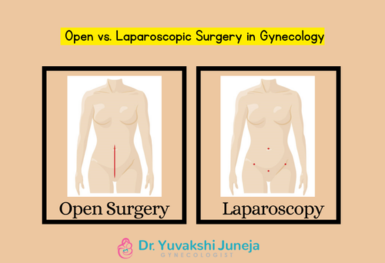
Laparoscopy is a minimally invasive surgical procedure that allows the doctor to examine the pelvic organs using a small camera.
It may be considered when further diagnostic assessment or surgical treatment is needed. However, surgery is not always necessary before starting treatment. A normal ultrasound or MRI also does not completely rule out endometriosis.
You can explore more about laparoscopic surgery in Delhi to understand how this procedure may be used for certain gynaecological conditions.
What Are the Best Endometriosis Treatment Options?
There is currently no definitive cure for endometriosis. However, several treatment approaches can help manage symptoms, reduce pain and improve quality of life.
The appropriate treatment depends on factors such as symptom severity, age, medical history, disease location and whether the patient wishes to become pregnant.
1. Medication for Pain Management
Pain-relieving medicines may be recommended to reduce menstrual cramps and pelvic discomfort.
The choice of medication depends on individual health conditions, potential side effects and medical history. Always follow a doctor's advice rather than self-medicating.
2. Hormonal Treatment
Hormonal medicines may help manage endometriosis-related pain by reducing or suppressing menstrual activity.
Depending on the patient's needs, treatment options may include:
Combined hormonal contraceptives.
Progestogen-based medicines.
Hormonal intrauterine devices.
GnRH-based medicines under specialist supervision.
Hormonal treatment is not suitable for everyone, particularly those actively trying to conceive. A gynaecologist can help determine the most appropriate option.
3. Laparoscopic Surgery
Laparoscopic surgery may be recommended for women with persistent symptoms, certain ovarian endometriomas or deep endometriosis.
During the procedure, the surgeon may remove or destroy endometriosis lesions and release adhesions, depending on the individual condition.
The benefits and risks of surgery should be discussed carefully, especially when fertility preservation is a priority.
Learn more about the risks, benefits and recovery after laparoscopic surgery.
4. Fertility-Focused Treatment
Women experiencing difficulty conceiving due to endometriosis may benefit from a fertility assessment.
Depending on individual circumstances, treatment may involve fertility-preserving surgery, ovulation-related treatment, intrauterine insemination or in-vitro fertilisation (IVF).
You can explore available infertility treatment options in South Delhi to understand the different approaches to fertility care.
A coordinated approach involving a gynaecologist and fertility specialist can help patients understand their options.
5. Supportive and Lifestyle-Based Care
Alongside medical treatment, certain supportive approaches may help improve overall well-being.
These may include:
Regular physical activity based on comfort and tolerance.
Balanced nutrition.
Adequate sleep and rest.
Pelvic floor physiotherapy when recommended.
Stress management and psychological support.
These measures can complement medical treatment but should not replace professional care.
How to Choose the Best Endometriosis Specialist in South Delhi?
Choosing the right gynaecologist is an important part of managing endometriosis. Since the condition can involve different pelvic organs and may require long-term care, it is helpful to consult a doctor with relevant experience.
Consider the following factors when selecting a specialist:
1. Experience in Endometriosis Management: Look for a gynaecologist experienced in evaluating and managing endometriosis, including complex cases.
2. Access to Diagnostic Facilities: Appropriate ultrasound, MRI and other diagnostic facilities can help assess the condition and guide treatment.
3. Expertise in Minimally Invasive Surgery: If surgery is being considered, ask about the doctor's experience with laparoscopic endometriosis procedures.
4. Personalised Treatment Planning: The doctor should consider your symptoms, medical history, fertility goals and preferences before recommending treatment.
5. Comprehensive Follow-Up Care: Endometriosis may require ongoing monitoring. Choose a healthcare provider who offers appropriate follow-up and long-term management.
6. Clear Communication: A good specialist should explain the diagnosis, treatment alternatives, possible risks and expected outcomes so that you can make informed decisions.
If you are looking for an experienced gynaecologist in South Delhi, consider consulting Dr. Yuvakshi Juneja for an evaluation of your gynaecological health concerns.
Why Early Diagnosis and Regular Follow-Ups Matter
Endometriosis is a chronic condition, and symptoms can persist or return even after treatment. Delayed diagnosis may also affect a woman's physical health, emotional well-being and reproductive plans.
Seeking medical advice when symptoms begin can help identify the underlying cause and explore appropriate treatment options.
Regular follow-ups allow doctors to:
Monitor changes in symptoms.
Review how well the treatment is working.
Manage medication-related side effects.
Assess fertility-related concerns.
Identify whether additional investigations or treatment adjustments are needed.
A long-term care plan can help women manage the condition more confidently.
Conclusion
Endometriosis can affect many aspects of a woman's life, from menstrual health and everyday activities to emotional well-being and fertility. However, timely diagnosis, personalised treatment and consistent medical support can help manage its symptoms.
If you are searching for the best endometriosis treatment in South Delhi, consider consulting an experienced gynaecologist who can evaluate your condition and explain the available medical, surgical and fertility-focused options.
Remember, severe period pain is not something you should always have to tolerate. Understanding your symptoms and seeking professional medical guidance is an important step towards better reproductive health.
Frequently Asked Questions (FAQs)
1. What is the most effective treatment for endometriosis?
Treatment depends on the patient's symptoms, disease location and fertility goals. Pain-relieving medicines, hormonal therapy and laparoscopic surgery are among the available options. A gynaecologist can recommend an individualised treatment plan.
2. Can endometriosis be completely cured?
There is currently no guaranteed permanent cure for endometriosis. However, medication and surgery can help manage symptoms. Regular follow-ups are important because symptoms may recur.
3. What are the early warning signs of endometriosis?
Common warning signs include severe menstrual cramps, chronic pelvic pain, pain during intercourse, painful bowel movements during periods and difficulty conceiving.
4. Can women with endometriosis get pregnant?
Yes. Many women with endometriosis conceive naturally. However, some may experience fertility difficulties and require medical assistance or fertility treatment.
5. Is laparoscopic surgery necessary for every endometriosis patient?
No. Many patients can initially manage symptoms with medication and other non-surgical approaches. Surgery may be considered depending on symptom severity, disease location and individual treatment goals.
6. When should I consult a gynaecologist for endometriosis?
Consult a gynaecologist if you experience severe period pain, persistent pelvic discomfort, painful intercourse, period-related bowel or urinary symptoms, or difficulty conceiving. Early evaluation can help identify the cause and guide treatment.