Uterine Prolapse Treatment in South Delhi: Surgical and Non-Surgical Options
Uterine prolapse is a common gynaecological condition in which the uterus moves down from its normal position into the vaginal canal due to weakened pelvic floor muscles and supporting ligaments. It can cause pelvic pressure, a feeling of heaviness, urinary problems, lower back discomfort, and a noticeable vaginal bulge. Although uterine prolapse is more common among women after childbirth and menopause, it can affect women at different stages of life.
If you are looking for uterine prolapse treatment in South Delhi, understanding the available surgical and non-surgical options can help you make informed decisions about your health. Early diagnosis and appropriate treatment can improve comfort, daily functioning, and quality of life.
Dr. Yuvakshi Juneja, Senior Consultant Obstetrician and Gynaecologist, has over 30 years of clinical experience in managing various women's health conditions. She offers gynaecological consultations and surgical care, including prolapse repair, based on individual patient requirements.
What Is Uterine Prolapse?
Uterine prolapse occurs when the muscles, ligaments, and tissues supporting the uterus become weak or stretched. As a result, the uterus gradually descends into the vaginal canal.
The condition is a type of pelvic organ prolapse (POP), which can also involve the bladder, rectum, or vaginal walls.
Uterine prolapse is generally classified into different stages depending on how far the uterus has descended:
Stage 1: The uterus moves slightly down into the upper part of the vagina.
Stage 2: The uterus descends closer to the vaginal opening.
Stage 3: The uterus protrudes outside the vaginal opening.
Stage 4: The uterus is almost or completely outside the vaginal opening.
The severity of symptoms does not always correspond directly to the stage. A gynaecological examination is necessary to determine the extent of prolapse and recommend suitable treatment.
Common Causes of Uterine Prolapse
Several factors can weaken the pelvic floor muscles and increase the risk of uterine prolapse.
1. Multiple Vaginal Deliveries
Pregnancy and vaginal childbirth can stretch and weaken the pelvic floor muscles. Women who have experienced multiple vaginal deliveries may have an increased risk of developing prolapse.
2. Ageing and Menopause
As women age, pelvic tissues may lose strength and elasticity. Reduced oestrogen levels after menopause can also affect the health of vaginal and pelvic tissues.
3. Obesity
Excess body weight can increase pressure on the pelvic floor muscles, potentially contributing to uterine prolapse.
4. Chronic Constipation
Repeated straining during bowel movements places additional pressure on the pelvic floor and may worsen existing prolapse.
5. Chronic Coughing
Long-term coughing can increase abdominal pressure and put additional stress on the pelvic support structures.
6. Heavy Lifting
Repeated heavy lifting and activities that place excessive pressure on the pelvic floor may contribute to the development or progression of prolapse.
7. Genetic and Connective Tissue Factors
Some women may naturally have weaker connective tissues, making them more susceptible to pelvic floor disorders.
Symptoms of Uterine Prolapse
Symptoms can vary depending on the severity of the condition. Some women may have mild prolapse without noticeable discomfort, while others experience symptoms that interfere with daily activities.
Common symptoms include:
A feeling of heaviness or pressure in the pelvis.
A bulge or tissue protruding from the vagina.
Lower back discomfort.
Difficulty emptying the bladder completely.
Frequent urination or urinary leakage.
Difficulty passing stools or constipation.
Discomfort during sexual intercourse.
A dragging sensation in the lower abdomen.
Symptoms that become worse after prolonged standing or physical activity.
If you experience these symptoms, consult a qualified gynaecologist for an examination and appropriate medical advice.
How Is Uterine Prolapse Diagnosed?
Accurate diagnosis is important for determining the severity of prolapse and selecting the right treatment.
A gynaecologist may recommend the following assessments:
1. Medical History
The doctor may ask about previous pregnancies, childbirth history, menopause, urinary symptoms, bowel problems, and other medical conditions.
2. Pelvic Examination
A pelvic examination helps assess the position of the uterus and identify the extent of pelvic organ prolapse. You may be asked to cough or strain during the examination.
3. Pelvic Organ Prolapse Assessment
The doctor may use a standard grading system called POP-Q (Pelvic Organ Prolapse Quantification) to evaluate the location and severity of prolapse.
4. Urinary Evaluation
If you experience urinary leakage, difficulty passing urine, or incomplete bladder emptying, additional bladder assessment may be recommended.
5. Additional Investigations
Depending on your symptoms, ultrasound, urine tests, or other investigations may be advised to assess associated conditions.
Not every patient requires all these investigations. Testing is based on individual symptoms and clinical findings.
Uterine Prolapse Treatment in South Delhi: Non-Surgical Options
Not every woman with uterine prolapse requires surgery. Mild to moderate prolapse can often be managed through conservative treatment, depending on symptoms and individual medical circumstances.
1. Pelvic Floor Muscle Exercises (Kegel Exercises)
Pelvic floor exercises help strengthen the muscles that support the uterus, bladder, and other pelvic organs.
Regular exercises may improve pelvic floor strength, reduce symptoms, and help manage early-stage prolapse.
A specialist women's health physiotherapist can guide you on performing these exercises correctly.
2. Vaginal Pessary
A vaginal pessary is a medical device, usually made of silicone or plastic, that is inserted into the vagina to support the uterus and other pelvic organs.
Different shapes and sizes are available, and the appropriate pessary is selected according to the patient's condition.
Pessaries may be suitable for women who:
Want to avoid surgery.
Have mild or moderate prolapse symptoms.
Are not medically suitable for surgery.
Wish to delay surgery.
May want to preserve fertility.
Regular follow-up is important to check the pessary's fit and monitor for irritation, discharge, bleeding, or other complications.
3. Lifestyle Modifications
Lifestyle changes can help reduce pressure on the pelvic floor and prevent symptoms from worsening.
Recommended measures may include:
Maintaining a healthy body weight.
Avoiding repeated heavy lifting.
Preventing constipation through adequate fibre and fluid intake.
Managing chronic coughing.
Avoiding excessive straining during bowel movements.
Following an appropriate exercise routine.
4. Vaginal Oestrogen Therapy
For postmenopausal women experiencing vaginal dryness, irritation, or tissue discomfort, a doctor may recommend local vaginal oestrogen treatment.
It can improve vaginal tissue health and relieve associated menopausal symptoms. However, it does not correct the structural prolapse itself.
5. Regular Gynaecological Monitoring
Women with mild prolapse and minimal symptoms may not need immediate treatment. Regular examinations help monitor the condition and identify any changes that may require additional care.
Surgical Treatment Options for Uterine Prolapse
When non-surgical treatments do not provide sufficient relief, or prolapse significantly affects daily life, surgery may be considered.
The choice of surgery depends on several factors, including:
The stage and type of prolapse.
The patient's age and general health.
Whether she wishes to preserve her uterus.
Future pregnancy plans.
Associated bladder or bowel problems.
Previous pelvic surgeries.
Personal preferences and treatment goals.
Some commonly considered surgical approaches include:
1. Uterine Suspension Surgery (Hysteropexy)
Hysteropexy is a uterus-preserving surgical procedure that aims to restore the uterus to its normal position by strengthening or reconnecting its supporting structures.
It may be considered for women who wish to retain their uterus, depending on their medical condition and suitability for surgery.
2. Vaginal Hysterectomy
In certain cases, the doctor may recommend removing the uterus through the vagina to treat uterine prolapse.
The procedure may be combined with additional pelvic support surgery to reduce the risk of vaginal vault prolapse.
A hysterectomy is not necessary for every woman with uterine prolapse. The decision depends on individual medical needs and preferences.
3. Pelvic Floor Repair Surgery
Pelvic floor repair aims to strengthen weakened vaginal and pelvic support structures.
Depending on the condition, the surgeon may repair the front or back vaginal wall to address associated bladder or rectal prolapse.
4. Laparoscopic Prolapse Repair
Laparoscopic surgery uses small abdominal incisions and specialised instruments to perform pelvic procedures.
Depending on the type of prolapse and surgical plan, laparoscopic techniques may be considered to restore pelvic support.
Dr. Yuvakshi Juneja's clinic lists prolapse repair among its gynaecological surgical services. You can explore the laparoscopic surgery and keyhole surgery services in Delhi to learn more about the surgical procedures offered.
The suitability of a particular surgical technique must be determined after a detailed consultation.
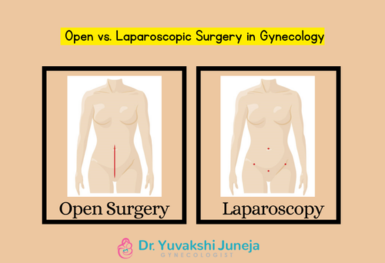
Laparoscopic vs Vaginal Surgery for Uterine Prolapse
Both laparoscopic and vaginal approaches may be considered for treating uterine prolapse. The appropriate approach depends on the patient's condition, anatomy, medical history, and treatment goals.
Your gynaecologist can explain the benefits, limitations, and potential complications of each approach before recommending surgery.
Recovery After Uterine Prolapse Surgery
Recovery depends on the type of surgery performed, overall health, and whether additional procedures are required.
Some general recovery recommendations include:
Follow the surgeon's instructions regarding medication and wound care.
Avoid heavy lifting until medically cleared.
Avoid strenuous physical activity during the recommended recovery period.
Maintain a fibre-rich diet to prevent constipation.
Attend scheduled follow-up appointments.
Resume sexual activity only when your surgeon confirms it is safe.
Contact your doctor if you experience fever, severe pain, heavy bleeding, or difficulty passing urine.
Following postoperative instructions and attending regular checkups are important for recovery and long-term pelvic health.
Why Consult Dr. Yuvakshi Juneja for Uterine Prolapse Treatment in South Delhi?
Choosing an experienced gynaecologist is important when considering treatment for uterine prolapse. Every woman has different symptoms, medical requirements, and expectations regarding treatment.
Dr. Yuvakshi Juneja is a Senior Consultant Obstetrician and Gynaecologist with over 30 years of clinical experience.
Her expertise includes various gynaecological procedures, including laparoscopic surgery, hysterectomy, and prolapse repair.
Women can consult her for:
Evaluation and diagnosis of uterine prolapse.
Assessment of pelvic floor disorders.
Guidance on non-surgical treatment options.
Evaluation for surgical prolapse repair.
Laparoscopic gynaecological procedures.
Individualised treatment planning and follow-up care.
You can learn more about her qualifications and clinical experience on the Dr. Yuvakshi Juneja profile page.
For additional information, explore the clinic's gynaecological and surgical services.
Conclusion
Uterine prolapse is a treatable gynaecological condition that can affect women's comfort, confidence, and daily activities. Depending on the severity of the condition, treatment may involve pelvic floor exercises, vaginal pessaries, lifestyle modifications, or surgical repair.
Women experiencing persistent pelvic pressure, vaginal bulging, urinary difficulties, or other symptoms should seek timely medical evaluation.
If you are considering uterine prolapse treatment in South Delhi, consulting an experienced gynaecologist can help you understand your condition and choose an appropriate treatment approach.
Dr. Yuvakshi Juneja provides consultations and surgical care for women experiencing various gynaecological conditions, including uterine prolapse. Schedule a consultation to discuss your symptoms and explore suitable treatment options.
Frequently Asked Questions (FAQs)
1. What is the best treatment for uterine prolapse?
The best treatment depends on the severity of prolapse, symptoms, age, general health, and personal preferences. Options include pelvic floor exercises, vaginal pessaries, lifestyle modifications, and surgery.
2. Can uterine prolapse be treated without surgery?
Yes. Mild to moderate uterine prolapse may be managed through supervised pelvic floor exercises, vaginal pessaries, and lifestyle changes. Regular medical monitoring is also important.
3. When is surgery necessary for uterine prolapse?
Surgery may be considered when symptoms significantly affect daily life, conservative treatments have not provided sufficient relief, or the prolapse is more advanced.
4. Is laparoscopic surgery suitable for uterine prolapse?
Laparoscopic surgery may be suitable for selected patients depending on the type and severity of prolapse, medical history, and surgical requirements. A gynaecologist can assess whether this approach is appropriate.
5. Can the uterus be saved during prolapse surgery?
Yes. Certain procedures, such as hysteropexy, aim to preserve the uterus while restoring pelvic support. Suitability depends on individual medical circumstances.