Taking i-Pill Frequently? Here’s What You Need to Know
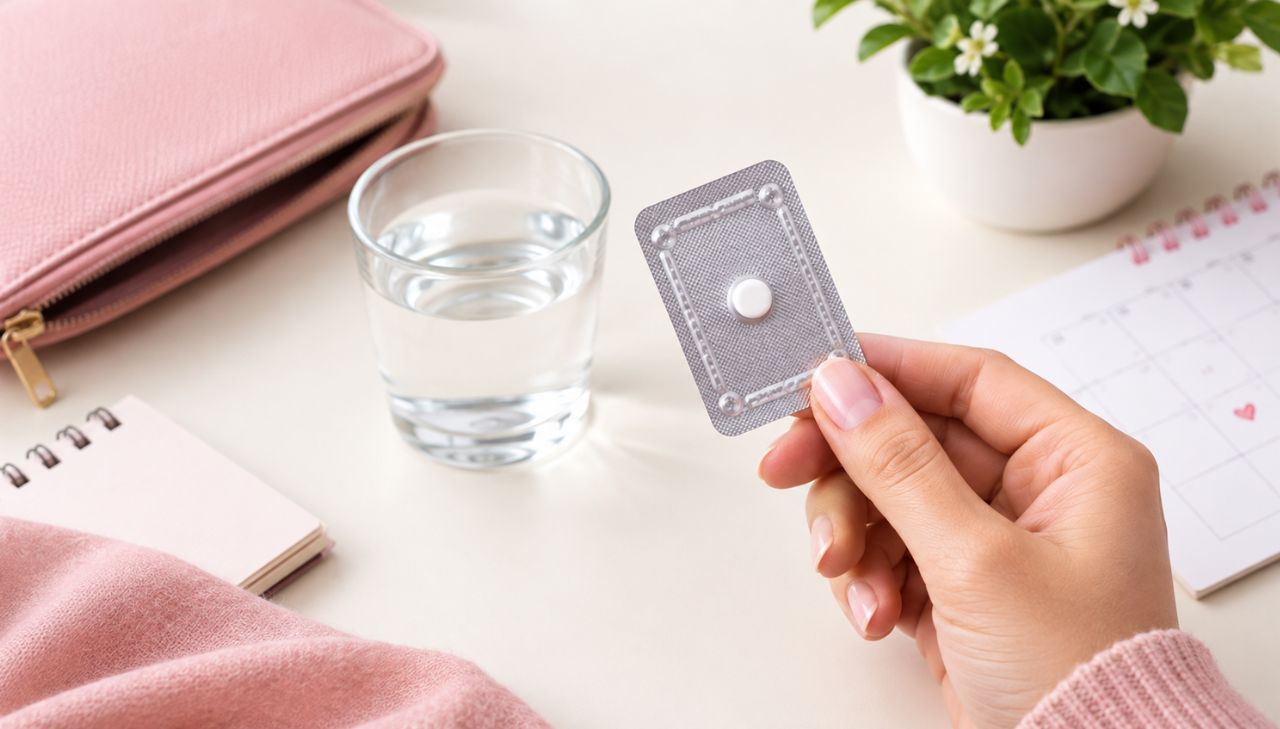
Emergency contraception can be useful when unprotected sex occurs or when regular contraception fails, such as when a condom breaks or birth control is missed. i-Pill is an emergency contraceptive pill containing levonorgestrel, a hormone that works mainly by delaying or preventing ovulation.
Because it is easily available, some women may wonder whether taking i-Pill frequently is safe. The short answer is that emergency contraceptive pills can be used more than once, even during the same menstrual cycle, but they are not intended to replace regular contraception. Frequent use may also cause more noticeable menstrual changes and other short-term side effects.
What Is i-Pill and When Is It Used?
i-Pill is an emergency contraceptive intended to reduce the risk of pregnancy after unprotected sexual intercourse or contraceptive failure. It is different from a regular daily birth control pill and should not be considered a routine method of contraception.
Emergency contraception works best when taken as soon as possible after unprotected sex. It prevents pregnancy from occurring and does not terminate an existing pregnancy.
It may be considered when:
A condom breaks or slips
Regular birth control was missed or used incorrectly
Unprotected intercourse occurred
Another contraceptive method failed
Is It Safe to Take i-Pill Frequently?
Taking an emergency contraceptive pill more than once is not automatically dangerous. Medical guidance states that emergency contraceptive pills can be used more than once during the same menstrual cycle when needed. However, frequent or repeated use is generally not recommended as a long-term contraception strategy.
One reason is that emergency contraception is less reliable for ongoing pregnancy prevention than consistent use of regular contraceptive methods. In addition, repeated use can make menstrual changes and side effects more noticeable.
If you find yourself needing i-Pill repeatedly, it may be helpful to discuss a regular contraceptive option with a gynecologist. Depending on your health, preferences and family-planning goals, options may include condoms, oral contraceptive pills, intrauterine devices (IUDs), implants or other methods.
What Can Happen If You Take i-Pill Often?
Frequent use does not necessarily cause serious health complications, but it can lead to temporary changes in your menstrual cycle.
Some possible effects include:
Period arriving earlier or later than expected
Spotting or irregular bleeding
Nausea
Headache
Abdominal discomfort
Breast tenderness
Fatigue or dizziness
These effects are generally temporary. Repeated emergency contraceptive use may increase the likelihood of menstrual irregularities, while there is no evidence that it harms future fertility.
If your periods become repeatedly irregular or you are frequently depending on emergency contraception, a consultation can help identify a more suitable contraceptive method.
Also Read: 10 Common Causes of Irregular Periods & how to manage them
Does Frequent i-Pill Use Affect Future Fertility?
There is no evidence that emergency contraceptive pills cause infertility or permanently reduce future fertility. Fertility generally returns without delay after emergency contraception.
However, i-Pill should still be viewed as an emergency option rather than a regular contraceptive method. If you are trying to avoid pregnancy for an extended period, a consistent contraception plan can provide more reliable protection.
Can You Get Pregnant After Taking i-Pill?
Yes. Taking i-Pill does not guarantee that pregnancy will be prevented. Its effectiveness is influenced by factors such as how soon it is taken and where you are in your menstrual cycle.
Importantly, taking an emergency contraceptive pill does not provide ongoing protection for the rest of the menstrual cycle. If you have unprotected sex again after taking it, you may still be at risk of pregnancy.
If your next period is more than a week later than expected, taking a pregnancy test is advisable. You should also seek medical advice if you develop significant lower abdominal pain or persistent unusual bleeding.
Is i-Pill a Replacement for Regular Birth Control?
No. Emergency contraception is designed for situations when regular contraception was not used or failed. It is not as suitable for ongoing pregnancy prevention as a regular contraceptive method.
If you are taking i-Pill repeatedly because you do not have a regular contraception method, consider discussing your options with a gynecologist. The right choice depends on factors such as your age, menstrual cycle, medical history, whether you plan to have children soon and how frequently you have sexual intercourse.
For women looking for the best gynecologist in South Delhi for contraception guidance, discussing your concerns with an experienced gynecologist can help you understand the available options and choose a method suited to your individual needs. Dr. Yuvakshi Juneja can provide guidance on contraception, reproductive health and family-planning concerns.
When Should You Consult a Gynecologist?
Consider speaking with a gynecologist if:
You need emergency contraception repeatedly
Your periods remain irregular after taking it
Your period is more than a week late
You experience persistent or severe abdominal pain
You have heavy or unusual bleeding
You are unsure which regular contraception method is suitable for you
You want to discuss pregnancy planning or pregnancy prevention
A consultation can help you understand whether your current contraception is working for your needs and whether another option may be more appropriate.
The information provided in this article is intended for general informational purposes only and should not be considered a substitute for personalised advice from a qualified healthcare professional.
Frequently Asked Questions
1. Can I take i-Pill more than once in a month?
Emergency contraceptive pills can be used more than once during the same menstrual cycle if necessary. However, frequent use is not recommended as a substitute for regular contraception because it may cause more menstrual irregularities and is less suitable for ongoing pregnancy prevention.
2. Does taking i-Pill frequently cause infertility?
No. Current evidence indicates that emergency contraceptive pills do not affect future fertility or cause a permanent delay in the return of fertility.
3. Can i-Pill delay my period?
Yes. Your next period may arrive earlier or later than expected, and spotting or irregular bleeding can occur after emergency contraception. If your period is more than a week late, consider taking a pregnancy test and consulting a healthcare professional.
4. Does i-Pill protect me from pregnancy for the rest of the month?
No. Emergency contraceptive pills do not provide ongoing protection against pregnancy after subsequent unprotected intercourse. A regular contraceptive method should be considered if you want continued protection.
5. Does i-Pill protect against sexually transmitted infections?
No. Emergency contraceptive pills help prevent pregnancy but do not protect against sexually transmitted infections (STIs). Condoms can help reduce the risk of many STIs.
6. What should I do if my period is very late after taking i-Pill?
If your period is more than a week later than expected, take a pregnancy test. If the test is positive, or if you have significant abdominal pain or persistent unusual bleeding, consult a gynecologist promptly.
7. What if I need emergency contraception frequently?
Needing emergency contraception occasionally can happen, but frequent use may indicate that your current contraception method is not meeting your needs. A gynecologist can discuss regular contraceptive options that may provide more consistent protection.