Perimenopause vs Menopause: Symptoms, Differences and Treatment
As women approach their forties and fifties, hormonal changes can affect their menstrual cycles, sleep, mood, energy levels, and overall well-being. Many women begin to notice irregular periods, hot flashes, night sweats, or changes in vaginal comfort and wonder whether they are entering menopause.
These changes may indicate perimenopause, the transition leading up to menopause, or menopause itself. Although the two stages are closely related, they are not the same. Understanding the differences can help women recognise their symptoms, know what to expect, and explore suitable treatment options.
The good news is that many symptoms associated with perimenopause and menopause can be managed with appropriate medical guidance, lifestyle adjustments, and treatments tailored to individual needs.
What Is Perimenopause?
Perimenopause is the transitional stage during which the ovaries gradually change their hormone production, particularly estrogen. During this time, hormone levels can fluctuate, causing changes in menstrual cycles and other physical or emotional symptoms.
Perimenopause commonly begins during the forties, although some women notice changes earlier. The transition can last several years, and symptoms may vary in type and intensity.
During perimenopause, you may experience:
Irregular periods or changes in menstrual flow
Hot flashes and night sweats
Difficulty falling asleep or staying asleep
Mood changes, anxiety, or irritability
Vaginal dryness or discomfort during intercourse
Reduced sexual desire
Changes in energy levels
Difficulty concentrating or forgetfulness
Not every woman experiences all these symptoms. Some may notice only changes in their periods, while others experience symptoms that affect their daily routines.
What Is Menopause?
Menopause is the stage of life when menstrual periods have stopped permanently because of the natural decline in ovarian hormone production.
Clinically, menopause is confirmed after a woman has gone 12 consecutive months without a menstrual period, provided there is no other explanation for the absence of periods.
Natural menopause most commonly occurs between the ages of 45 and 55, although the timing varies from woman to woman.
After menopause, estrogen levels remain relatively low. Some symptoms, such as hot flashes, vaginal dryness, sleep disturbances, and urinary discomfort, may continue for several years.
Menopause is a natural life stage, not an illness. However, persistent symptoms can affect quality of life, and medical support may help manage them.
Perimenopause vs Menopause: What Is the Difference?
Although perimenopause and menopause are connected, the main difference is whether the menstrual transition is still taking place or has reached its final stage.
Perimenopause does not happen in exactly the same way for everyone. Menopause is identified retrospectively after 12 months without menstruation, rather than by a single symptom or a particular age.
Also Read: Hormone Replacement Therapy for Menopause: Safety and Risks
What Are the Common Symptoms of Perimenopause?
Perimenopause can cause several changes as hormone levels fluctuate. The symptoms may develop gradually or become noticeable over a relatively short period.
1. Irregular Periods
One of the earliest signs of perimenopause is a change in menstrual patterns. Periods may arrive earlier or later than expected, become lighter or heavier, or occasionally be missed.
These changes occur because ovulation may become less predictable. However, unusually heavy bleeding, bleeding between periods, or other significant changes should not automatically be attributed to perimenopause.
2. Hot Flashes and Night Sweats
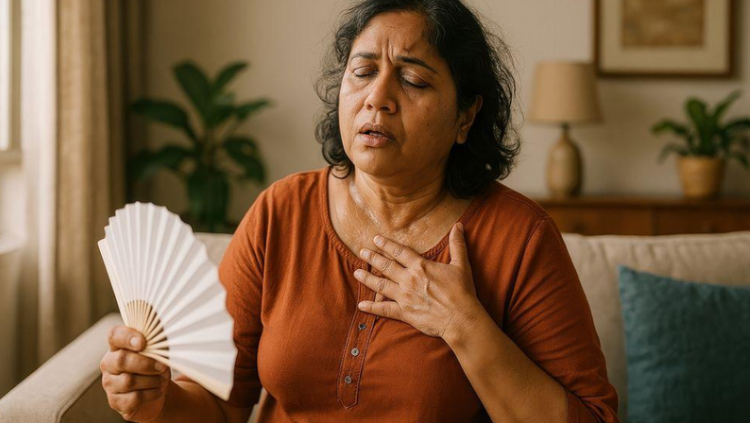
Hot flashes cause a sudden feeling of heat, often affecting the face, neck, and chest. Some women also experience sweating, flushing, or a rapid heartbeat.
When these episodes occur during sleep, they are known as night sweats. They can disturb sleep and contribute to tiredness during the day.
3. Sleep Disturbances
Hormonal changes, night sweats, and emotional stress can make it difficult to fall asleep or stay asleep.
Poor sleep may contribute to fatigue, irritability, and difficulty concentrating. Persistent sleep problems deserve attention, especially when they interfere with everyday activities.
4. Mood Changes
Some women experience increased irritability, anxiety, low mood, or emotional sensitivity during perimenopause.
Hormonal changes, disrupted sleep, personal stress, and other factors can all contribute. Severe or persistent mood symptoms should be discussed with a healthcare professional rather than assumed to be an unavoidable part of ageing.
5. Vaginal Dryness and Reduced Sexual Comfort
Declining estrogen levels can affect vaginal moisture and tissue elasticity, causing dryness, burning, irritation, or pain during intercourse.
Some women also notice urinary urgency or recurrent urinary tract infections as they approach menopause.
These symptoms can often be managed with appropriate treatments, including vaginal moisturisers, lubricants, or prescribed local hormonal treatment when suitable.
What Are the Symptoms of Menopause?
Many symptoms that begin during perimenopause may continue after menopause. However, their severity and duration vary considerably.
Common symptoms include:
Hot flashes and night sweats
Vaginal dryness and discomfort during intercourse
Sleep difficulties
Mood changes
Reduced sexual desire
Difficulty concentrating
Joint or muscle discomfort
Changes in body composition
Urinary symptoms, including urgency or recurrent infections
Not all these symptoms are caused by menopause. Thyroid conditions, anaemia, medication effects, sleep disorders, and other health concerns can produce similar symptoms.
A medical assessment can help determine whether menopause is the likely explanation and whether further testing is appropriate.
How Can You Tell Whether You Are in Perimenopause or Menopause?
Your age, menstrual history, and symptoms can help a healthcare professional assess which stage you may be experiencing.
You may be in perimenopause if your periods have become irregular and you are also experiencing hot flashes, sleep disturbances, or other hormonal changes.
Menopause is confirmed when you have gone 12 consecutive months without a period and there is no other explanation for the absence of menstruation.
In women over 45 with typical symptoms, menopause is often diagnosed based on clinical history rather than routine hormone testing. Blood tests may be considered when the diagnosis is uncertain, symptoms occur at an unusually young age, or another medical condition is suspected.
It is important to remember that pregnancy can still occur during perimenopause. If you have missed a period and pregnancy is possible, a pregnancy test may be appropriate.
Can Perimenopause or Menopause Cause Health Problems?
Perimenopause and menopause are natural stages of life, but the decline in estrogen can influence certain aspects of long-term health.
1. Bone Health
Estrogen helps maintain bone density. After menopause, bone loss can accelerate, increasing the risk of osteoporosis and fractures.
Adequate calcium and vitamin D intake, weight-bearing exercise, and medical assessment when indicated can help support bone health.
2. Heart Health
Cardiovascular risk generally increases with age and can be influenced by changes in blood pressure, cholesterol, body composition, and other factors around menopause.
Regular physical activity, a balanced diet, avoiding tobacco, and routine health checks are important for maintaining heart health.
3. Vaginal and Urinary Health
Lower estrogen levels can lead to changes in the vaginal and urinary tissues. Symptoms may include dryness, irritation, pain during intercourse, urinary urgency, and recurrent urinary infections.
These symptoms are common but should not be ignored if they affect comfort or daily life.
Treatment Options for Perimenopause and Menopause
Treatment depends on the symptoms you experience, their severity, your medical history, and your personal preferences. Not every woman needs medication, but several options are available when symptoms become troublesome.
1. Lifestyle Changes
Healthy habits can support overall well-being during both perimenopause and menopause.
Helpful steps include:
Maintaining a balanced diet with adequate calcium and protein
Engaging in regular physical activity, including weight-bearing exercise
Following a consistent sleep routine
Practising stress-management techniques
Limiting alcohol and avoiding smoking
Identifying personal triggers for hot flashes, such as spicy foods or hot drinks, if relevant
Lifestyle changes can help support health, although they may not fully relieve moderate or severe symptoms.
2. Hormone Replacement Therapy (HRT)
Hormone replacement therapy replaces hormones that the body produces in lower amounts during menopause. It is one of the most effective treatments for troublesome hot flashes and night sweats and may help with other menopause-related symptoms.
Depending on the individual, HRT may involve estrogen alone or a combination of estrogen and a progestogen. Women who still have a uterus generally need a progestogen alongside systemic estrogen to protect the uterine lining.
HRT is not suitable for everyone. Potential benefits and risks depend on factors such as age, medical history, personal risk factors, the type of treatment, and how it is administered.
Treatment should be discussed with a qualified healthcare professional, who can help determine whether HRT is appropriate and review it periodically.
3. Vaginal Estrogen and Non-Hormonal Treatments
For women experiencing vaginal dryness, irritation, or discomfort during intercourse, vaginal moisturisers and lubricants may help.
Low-dose vaginal estrogen may be recommended when symptoms are related to low estrogen and non-hormonal options are insufficient or unsuitable.
Some women may also benefit from other prescribed treatments, depending on their symptoms and medical history.
4. Non-Hormonal Medication for Hot Flashes
For women who cannot take HRT or prefer not to use it, certain prescription medicines may help reduce hot flashes and night sweats.
The appropriate option depends on the individual's symptoms, other medical conditions, and potential medication interactions. A doctor can explain the available choices and their possible side effects.
5. Support for Sleep and Emotional Well-Being
Persistent sleep problems, anxiety, or low mood may benefit from targeted treatment.
Depending on the cause, support may include cognitive behavioural therapy, sleep-focused strategies, counselling, or prescribed medication.
If symptoms are affecting your relationships, work, or everyday activities, seeking help is appropriate.
When Should You Consult a Gynecologist?
Although menstrual changes and hot flashes can be part of the menopause transition, some symptoms need medical evaluation.
Consult a gynecologist if you experience:
Menstrual changes that are persistent or concerning
Very heavy or prolonged menstrual bleeding
Bleeding between periods or after sexual intercourse
Hot flashes or night sweats that significantly disrupt sleep
Persistent vaginal dryness or painful intercourse
Recurrent urinary symptoms
Severe or persistent mood changes
Symptoms beginning before the age of 40
Any vaginal bleeding after menopause
Any bleeding after menopause should be evaluated promptly, even if it happens only once or involves a small amount of blood.
A gynecologist can review your symptoms, assess possible causes, and recommend suitable investigations or treatment.
If you are looking for a Gynecology Clinic for menopause-related concerns, Dr. Yuvakshi Juneja provides gynecological care, including menopause assessment and guidance on treatment options based on individual needs.
Personalised Care for Perimenopause and Menopause
Every woman's menopause experience is different. Some women have mild symptoms that require little intervention, while others may experience changes that affect sleep, emotional well-being, sexual comfort, and everyday life.
A personalised consultation can help distinguish typical hormonal changes from other medical conditions and determine which treatments may be appropriate.
Women searching for the Best Gynecologist in Delhi NCR can consult Dr. Yuvakshi Juneja for guidance on menopause-related symptoms, hormonal changes, and treatment options.
The aim is to help women understand their symptoms, make informed decisions, and maintain their health and quality of life through this stage of life.
Final Thoughts
Perimenopause and menopause are closely related but represent different stages of the menopause transition. Perimenopause is the period when hormone levels fluctuate and menstrual cycles become less predictable, while menopause is confirmed after 12 consecutive months without a menstrual period.
Both stages may involve hot flashes, night sweats, sleep disturbances, mood changes, vaginal dryness, and other symptoms. Their intensity and duration vary from woman to woman, and not every symptom necessarily has a hormonal cause.
Lifestyle adjustments, non-hormonal treatments, vaginal therapies, and hormone replacement therapy may help manage symptoms when appropriate. The right approach depends on individual health needs and medical history.
If symptoms affect your daily life, or you experience unusual bleeding or other concerning changes, seek professional advice. With appropriate guidance and personalised care, women can navigate perimenopause and menopause with greater comfort and confidence.
Medical Disclaimer: This article is intended for general educational purposes only and does not replace professional medical advice, diagnosis, or treatment. Consult a qualified healthcare professional for an assessment of your symptoms and before starting or changing any medication or hormone therapy.
FAQs
1. What is the main difference between perimenopause and menopause?
Perimenopause is the transition leading up to menopause, during which hormone levels fluctuate and periods often become irregular. Menopause is confirmed after 12 consecutive months without a menstrual period, provided there is no other explanation.
2. At what age does perimenopause usually start?
Perimenopause commonly begins during the forties, although it can start earlier or later. The timing and duration vary between women.
3. What are the first signs of perimenopause?
Early signs may include irregular periods, changes in menstrual flow, hot flashes, night sweats, sleep difficulties, mood changes, and vaginal dryness. Some women notice only a few symptoms.
4. How long does perimenopause last?
Perimenopause can last several years, although the duration varies. Symptoms may fluctuate throughout the transition before periods stop completely.
5. Can you get pregnant during perimenopause?
Yes. Ovulation may still occur during perimenopause, even when periods are irregular. Pregnancy remains possible until menopause has been reached, so contraception may still be necessary if pregnancy is not desired.
6. Do you need a blood test to confirm menopause?
Not usually for women aged over 45 who have typical symptoms and menstrual changes. A doctor may recommend hormone testing in younger women or when the diagnosis is uncertain or another condition is suspected.
7. Is hormone replacement therapy safe for everyone?
No. HRT can be beneficial for many women, but its suitability depends on personal health history, risk factors, age, symptoms, and the type of treatment. A healthcare professional should assess the potential benefits and risks before treatment begins.
8. Can menopause symptoms be treated without hormones?
Yes. Depending on the symptoms, options may include lifestyle changes, vaginal moisturisers and lubricants, certain prescription non-hormonal medicines, and psychological therapies for sleep or mood concerns.
9. Is vaginal bleeding normal after menopause?
No vaginal bleeding should be assumed to be normal after menopause. Even light spotting should be assessed promptly by a healthcare professional to identify the cause.
10. When should I see a gynecologist for menopause symptoms?
Consult a gynecologist if symptoms affect your sleep, mood, sexual comfort, or daily life, or if you experience heavy bleeding, persistent unusual symptoms, or bleeding after menopause. Early assessment can help identify the cause and guide suitable treatment.