Pelvic Pain in Women: Causes and Treatment
Pelvic pain can happen for many reasons. For some women, it may feel like normal period cramps. For others, it may be a sharp pain that comes and goes or stays for a long time.
While mild pain may not always be a concern, repeated or severe pain should not be ignored. It can sometimes point to a condition that needs treatment. Understanding the symptoms and pelvic pain causes can help you know when to see a doctor.
What Is Pelvic Pain in Women?
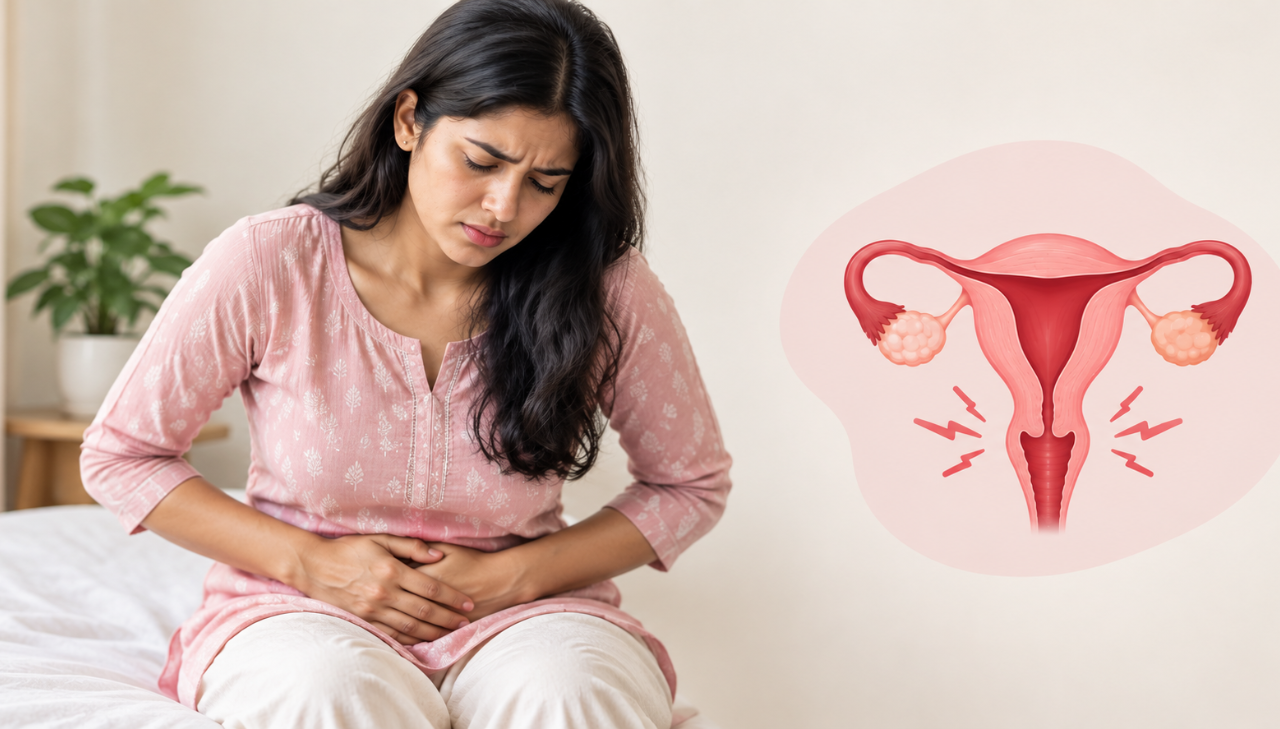
Pelvic pain in women is pain felt in the lower abdomen, below the belly button. It may be felt in one spot or across the pelvic area.
The pain can feel different for each woman. It may be:
A dull or aching pain
Sharp or stabbing pain
Cramps or pressure
Burning or throbbing
Pain that comes and goes
Some women may also notice pain during periods, intimacy, urination, or bowel movements.
6 Common Pelvic Pain Causes
Pelvic pain can come from the reproductive organs, urinary system, digestive system, or pelvic muscles. Some common causes include:
1. Period and Ovulation Pain
Period cramps are one of the most common reasons for pelvic pain. Some women may also feel mild pain around ovulation. This usually lasts for a short time. Very painful periods or pain that affects your daily life should be checked by a doctor.
2. Endometriosis
Endometriosis occurs when tissue similar to the lining of the uterus grows outside the uterus. It can cause painful periods, pelvic pain, pain during intimacy, and sometimes fertility problems.
3. Ovarian Cysts
Ovarian cysts are fluid-filled sacs that develop on the ovaries. Many do not cause symptoms and go away on their own. Larger or ruptured cysts can cause pelvic pain.
Also Read: Ovarian Cysts: 7 Symptoms That May Need Attention
4. Adenomyosis
Adenomyosis occurs when tissue from the uterine lining grows into the muscle wall of the uterus. It may cause heavy periods, strong cramps, and ongoing pelvic discomfort.
5. Pelvic Inflammatory Disease
Pelvic inflammatory disease (PID) is an infection of the female reproductive organs. It may cause pelvic pain along with fever, unusual vaginal discharge, or pain during intimacy.
6. Urinary and Digestive Problems
A urinary tract infection may cause pain or pressure in the lower abdomen. Constipation, irritable bowel syndrome, and other digestive problems can also lead to pelvic discomfort.
When Should You See a Doctor?
Pelvic pain does not always mean that something serious is wrong. However, you should speak to a doctor if the pain is severe, lasts for a long time, or keeps coming back.
Medical attention is also important if the pain occurs with:
Heavy vaginal bleeding
Fever or chills
Vomiting
Dizziness or fainting
Unusual vaginal discharge
Pain while passing urine
Sudden and severe pelvic pain needs urgent medical care. If you are pregnant and develop pelvic pain or bleeding, contact your doctor promptly.
How Is Pelvic Pain Diagnosed?
Your doctor will ask about your symptoms and medical history. You may be asked when the pain started, where you feel it, and whether it changes during your menstrual cycle. Your doctor may also ask about your periods, bowel movements, urination, and pain during intimacy.
Depending on your symptoms, you may need a pelvic examination, urine or blood tests, a pregnancy test, or an ultrasound. Other tests may be needed if the cause is not clear.
Pelvic Pain Treatments
The right pelvic pain treatments depend on the cause. Your doctor may recommend:
Pain medicines: These may help control mild pain and period cramps.
Antibiotics: These may be needed when an infection is causing the pain.
Hormonal treatment: This can help manage pain linked to periods, endometriosis, or adenomyosis.
Pelvic floor therapy: This may help when tight or weak pelvic muscles are causing pain.
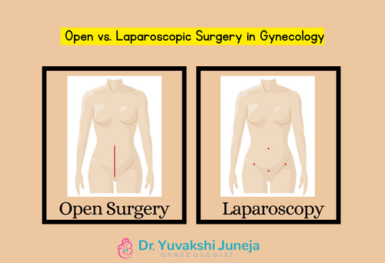
Surgery: Some conditions, including certain ovarian cysts or severe endometriosis, may require surgery.
Treatment should focus on the cause of the pain, not only on reducing the symptoms.
How Can You Get Pelvic Pain Relief?
Simple steps may provide pelvic pain relief when the pain is mild. Using a heating pad on the lower abdomen may help with cramps. Gentle stretching, light exercise, enough water, and proper rest may also help.
If constipation is making the pain worse, drinking enough fluids and eating fibre-rich foods may help. However, home care should not replace medical advice when pain is severe or keeps returning. If you need a medical evaluation, you can consult a Best Gynecologist in South Delhi to discuss your symptoms.
Final Thoughts
Pelvic pain can have many causes, and not all of them are serious. However, pain that is severe, repeated, or getting worse should not be ignored. Pay attention to when the pain starts and whether it comes with other symptoms. This can help your doctor find the cause.
If you are dealing with ongoing pelvic pain, Dr. Yuvakshi Juneja can help you understand the possible cause and guide you toward suitable care.
Disclaimer: The information shared in this article is intended for educational and informational purposes only. It does not replace medical consultation, diagnosis, or treatment. Always seek advice from a qualified healthcare professional for your individual needs.
FAQs
1. What are the common causes of pelvic pain in women?
Common causes include period cramps, ovulation, endometriosis, ovarian cysts, adenomyosis, pelvic infections, urinary problems, and digestive issues.
2. How can I get pelvic pain relief at home?
A heating pad, gentle stretching, rest, enough fluids, and suitable pain medicine may help relieve mild pelvic discomfort.
3. Which doctor should I see for pelvic pain?
A gynecologist can assess your symptoms, identify possible causes, recommend tests, and suggest treatment based on your condition.
4. What is the best treatment for pelvic pain?
The best treatment depends on the cause. Medicines, antibiotics, hormonal treatment, physiotherapy, or surgery may be advised after proper evaluation.
5. What are warning signs of pelvic pain?
Warning signs include sudden severe pain, heavy bleeding, fever, vomiting, fainting, unusual discharge, or pelvic pain during pregnancy. Seek medical care promptly.