Pap Smear Test: Who Needs It, How It Works & How Often to Get One?
A Pap smear, also known as a Pap test, is a cervical screening test used to identify abnormal changes in cells of the cervix. Detecting these changes early can help doctors monitor or treat precancerous abnormalities before they develop into cervical cancer.
Cervical cancer can develop gradually, and precancerous changes often do not cause noticeable symptoms. This is why regular cervical screening is important even when you feel completely healthy. Screening recommendations depend on factors such as age, previous test results, health history and the type of screening available.
What Is a Pap Smear Test?
A Pap smear is a procedure in which a healthcare professional collects a small sample of cells from the cervix using a soft brush or similar instrument. The cells are then examined in a laboratory for abnormal changes.
A Pap test may identify:
Abnormal cervical cells
Precancerous cell changes
Some changes associated with HPV infection
Certain infections or inflammation in some cases
It is important to remember that a Pap smear is a screening test, not a diagnosis of cervical cancer. If an abnormal result is found, your doctor may recommend additional testing or monitoring depending on the result.
Why Is a Pap Smear Important?
The main purpose of cervical screening is to identify abnormal cervical changes before they become more serious.
Persistent infection with certain high-risk types of human papillomavirus (HPV) is the main cause of cervical cancer. HPV infection is common, and most infections clear naturally, but persistent high-risk HPV infection can lead to cervical cell changes over time.
Regular screening can help:
Detect cervical abnormalities at an early stage
Identify precancerous changes
Allow appropriate follow-up and treatment
Reduce the risk of cervical cancer developing or being diagnosed at a later stage
Because precancerous changes may not produce symptoms, waiting until you notice a problem is not a substitute for recommended screening.
Who Should Get a Pap Smear?
There is no single Pap smear schedule that is appropriate for every woman.
Your recommended cervical screening method and frequency may depend on:
Your age
Previous Pap or HPV test results
Personal medical history
Previous cervical abnormalities
Immune system health
Whether you have received the HPV vaccine
The screening guidelines followed by your healthcare provider
Modern cervical screening can include an HPV test, Pap test, or HPV/Pap co-test. WHO currently recommends high-performance HPV testing as the preferred primary screening approach in its cervical cancer prevention guidance, while Pap-based screening remains used in many healthcare settings.
Therefore, it is better to ask a qualified gynecologist which screening approach is suitable for you instead of choosing a test or interval based only on your age.
At What Age Should Cervical Screening Start?
The appropriate starting age varies between guidelines and depends on the screening method.
For example, WHO recommends cervical cancer screening with a high-performance test beginning at age 30 for the general population, while women living with HIV should generally begin screening earlier. Other organizations have different age-based recommendations for Pap and HPV testing.
This difference is one reason why online advice about Pap smear frequency can sometimes be confusing. Your gynecologist can assess your individual circumstances and recommend the appropriate screening plan.
How Often Should You Get a Pap Smear?
The answer depends on the type of cervical screening test being used and your individual risk factors.
For example, some guidelines recommend Pap testing every three years for certain age groups, while HPV-based screening may be performed at longer intervals. People with previous abnormal results or certain health conditions may need more frequent monitoring.
So, how often you need a Pap smear should be decided based on your screening history and your doctor's recommendation, rather than following one interval for everyone.
What Happens During a Pap Smear?
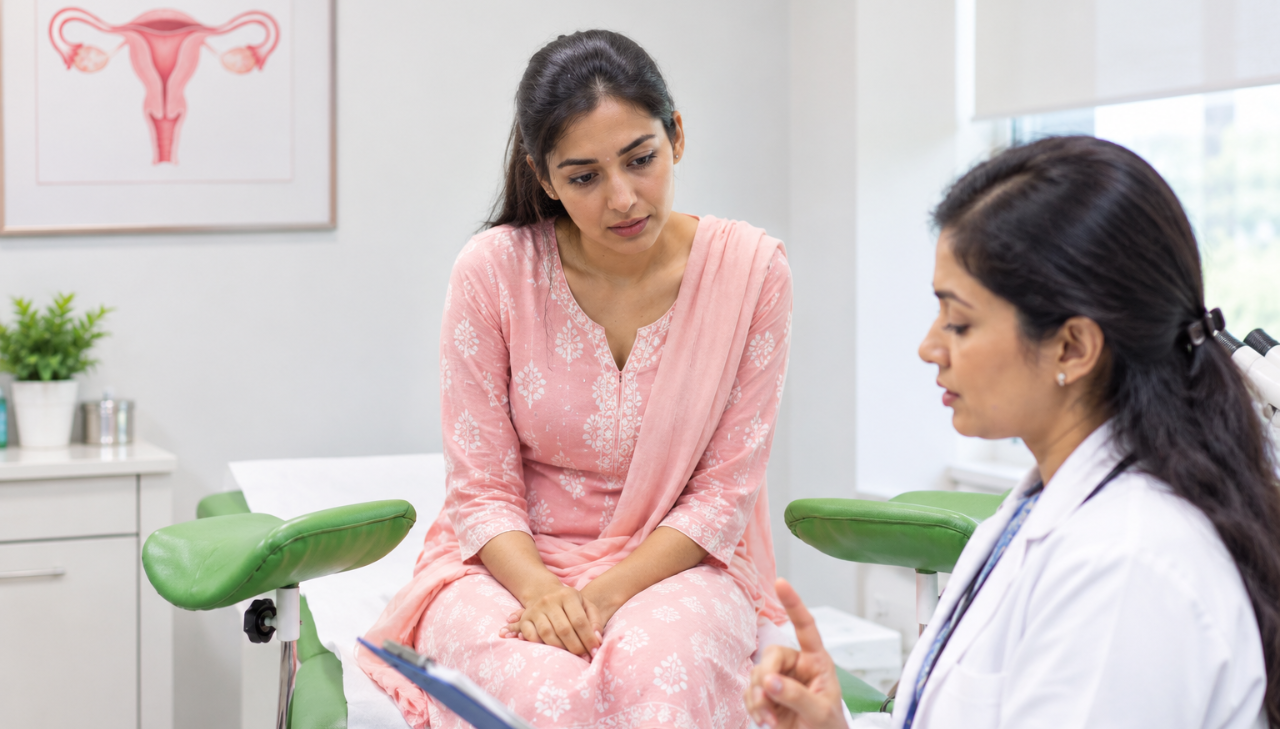
A Pap smear is usually a short procedure performed during a pelvic examination.
The process generally involves:
You lie on an examination table.
A speculum is gently inserted into the vagina to allow the cervix to be seen.
A small brush is used to collect cells from the cervix.
The sample is sent to a laboratory for examination.
Your doctor discusses the results and any necessary follow-up.
Some women experience mild pressure or temporary discomfort during the examination. If you feel pain or significant discomfort, tell your healthcare provider.
Does a Pap Smear Hurt?
A Pap smear is generally quick, but the experience can vary from person to person.
You may experience:
Mild pressure
Temporary discomfort
A sensation from the speculum
Mild cramping in some cases
If you are anxious about the procedure, tell your doctor beforehand. Understanding what will happen can make the experience more comfortable.
How Should You Prepare for a Pap Smear?
Your healthcare provider may provide specific instructions before the test.
Depending on your circumstances, you may be advised to:
Schedule the test when you are not experiencing heavy menstrual bleeding
Tell your doctor about any unusual vaginal bleeding or discharge
Inform your doctor about previous abnormal Pap or HPV results
Mention any previous cervical procedures
Inform your doctor if you may be pregnant
If you have questions about preparation, ask your healthcare provider before the appointment.
Pap Smear vs HPV Test: What Is the Difference?
A Pap smear and HPV test are related to cervical cancer prevention, but they do not examine exactly the same thing.
A Pap test examines cervical cells for abnormal changes, while an HPV test looks for high-risk HPV infection associated with cervical cancer.
An HPV/Pap co-test combines both approaches using a cervical sample. Depending on age, screening guidelines and individual risk, your doctor may recommend one of these approaches.
What Does an Abnormal Pap Smear Result Mean?
An abnormal Pap smear result does not automatically mean that you have cervical cancer.
Abnormal results can indicate different types of cervical cell changes. Some changes may resolve naturally, while others may require monitoring or further investigation.
Depending on your result, your doctor may recommend:
Repeat cervical screening
HPV testing
Colposcopy
Additional evaluation or treatment
The appropriate next step depends on the type of abnormality, your previous results and your individual risk. Following up on an abnormal result is important because early cervical changes can often be monitored or treated before they progress.
Can You Need a Pap Smear Even Without Symptoms?
Yes. Cervical screening is specifically intended to identify abnormalities before symptoms develop.
Symptoms such as unusual vaginal bleeding, bleeding after sex, persistent unusual discharge or pelvic pain should be evaluated by a healthcare professional rather than waiting for a routine screening appointment.
Regular screening and timely follow-up can play an important role in cervical cancer prevention.
When Should You See a Gynecologist?
You should consider consulting a gynecologist if you:
Are unsure whether you need cervical screening
Have never had a cervical screening test
Have a history of abnormal Pap or HPV results
Experience unusual vaginal bleeding
Notice bleeding after intercourse
Have persistent unusual vaginal discharge
Experience unexplained pelvic pain
Have questions about HPV vaccination or cervical cancer prevention
Discussing your individual history with a qualified doctor can help determine the most appropriate screening and follow-up plan.
If you are looking for preventive gynecological care or have concerns about cervical health, Dr. Yuvakshi Juneja can help you understand your screening options and decide when further evaluation may be appropriate.
Also Read: 10 Ways to Protect your cervical health and lower cancer risk
Conclusion
A Pap smear is an important part of cervical health, but it is only one component of cervical cancer prevention. HPV vaccination, appropriate cervical screening and timely follow-up of abnormal results all contribute to prevention and early detection.
If you are unsure whether you need a Pap smear, HPV test or another form of cervical screening, speak with a qualified gynecologist rather than relying on a fixed schedule found online. Dr. Yuvakshi Juneja can provide personalized guidance based on your age, medical history and previous screening results.
For women seeking professional gynecological care, consulting the Best Gynecologist in South Delhi can help ensure that routine screening and preventive women's health needs are addressed appropriately.
FAQs
1. What is a Pap smear used for?
A Pap smear is used to examine cells collected from the cervix for abnormal changes that may indicate precancerous changes or cervical cancer.
2. Is a Pap smear the same as a cervical cancer test?
A Pap smear is one type of cervical cancer screening test. HPV testing is another important screening method, and some screening approaches use both tests.
3. Is a Pap smear painful?
Most women experience only mild discomfort or pressure, although individual experiences vary. Tell your healthcare provider if you are uncomfortable during the examination.
4. Can an abnormal Pap smear mean cancer?
Not necessarily. An abnormal result can indicate cervical cell changes that may need monitoring or further testing. It does not automatically mean cancer.
5. How often should I get a Pap smear?
The recommended frequency depends on your age, screening method, previous results and health history. Your doctor can recommend the appropriate interval for you.
6. Can I get a Pap smear after HPV vaccination?
Yes. HPV vaccination does not eliminate the need for recommended cervical screening because it does not protect against every high-risk HPV type.
7. Do I need a Pap smear if I have no symptoms?
Cervical screening is intended to detect changes before symptoms appear, so feeling healthy does not necessarily mean screening is unnecessary.
8. What should I do if my Pap smear is abnormal?
Do not panic. An abnormal result does not automatically indicate cancer. Follow your doctor's recommendation for repeat testing, HPV testing or further evaluation, depending on your result.