HPV Vaccine for Women: Benefits, Recommended Age and Important Facts
Human papillomavirus (HPV) is a common virus that can affect the skin and mucous membranes, including the genital area. Some types of HPV can cause genital warts, while certain high-risk types can lead to cervical cancer and other cancers.
The good news is that HPV vaccination can significantly reduce the risk of infections caused by the HPV types targeted by the vaccine. Although vaccination is most effective when given before exposure to the virus, eligible women may also benefit from vaccination later in life.
Understanding the recommended vaccination age, benefits, possible side effects, and the importance of cervical cancer screening can help you make informed decisions about your reproductive health.
What Is the HPV Vaccine?
The HPV vaccine protects against specific types of human papillomavirus that can cause cervical cancer, other HPV-related cancers, and, depending on the vaccine, genital warts.
HPV is primarily transmitted through intimate skin-to-skin contact, including sexual contact. Many HPV infections clear naturally, but persistent infection with high-risk HPV types can cause abnormal changes in cells that may eventually develop into cancer.
HPV vaccination helps the immune system recognise and fight the targeted HPV types before an infection occurs.
The vaccine is preventive rather than curative. It does not treat an existing HPV infection, genital warts, or cervical cell changes that have already developed.
Why Is the HPV Vaccine Important for Women?
Cervical cancer is one of the major cancers affecting women worldwide. Persistent infection with high-risk HPV types is responsible for nearly all cases of cervical cancer.
HPV vaccination provides an important opportunity to reduce the risk of HPV-related disease before exposure occurs.
The key benefits include:
Cervical cancer prevention: The vaccine protects against HPV types responsible for a substantial proportion of cervical cancer cases.
Protection against precancerous changes: It reduces the risk of cervical cell changes associated with the HPV types covered by the vaccine.
Protection against other HPV-related cancers: Depending on the vaccine, protection may extend to certain vulvar, vaginal, anal, and oropharyngeal cancers.
Prevention of genital warts: Some HPV vaccines also protect against the types that cause most genital warts.
Long-term preventive benefits: Vaccination can provide lasting protection against the targeted HPV types.
HPV vaccination works best before exposure to the virus. It is therefore important to discuss vaccination during adolescence rather than waiting until adulthood.
Also Read: Cervical Cancer Awareness: What Every Woman Needs to Know
What Is the Recommended Age for HPV Vaccination?
The ideal age for HPV vaccination depends on national recommendations, the vaccine being used, and the individual's medical history.
1. HPV Vaccination Between 9 and 14 Years
HPV vaccination is generally recommended during early adolescence, often beginning at 9–12 years of age, depending on local guidelines.
Vaccinating children before exposure to HPV provides the best opportunity for protection. The immune response is also generally strong in this age group.
Parents should consider discussing HPV vaccination with their child's healthcare provider during routine adolescent health visits.
2. HPV Vaccination Between 15 and 26 Years
Teenagers and young adults who have not received the HPV vaccine can still benefit from vaccination.
The vaccine may protect against HPV types they have not previously encountered, even if they have already become sexually active.
The number of doses required depends on the age at which vaccination begins, the applicable vaccination schedule, and whether the individual has a condition affecting the immune system.
3. HPV Vaccination Between 27 and 45 Years
Some women in this age group may still benefit from HPV vaccination, depending on their previous vaccination status and likelihood of future HPV exposure.
However, the expected benefit is generally lower than in younger individuals because many adults may already have encountered one or more HPV types.
Vaccination in this age group should be discussed with a qualified healthcare professional, taking individual circumstances and local recommendations into account.
Women older than the routinely recommended vaccination age should not assume that vaccination is automatically necessary or automatically unsuitable.
How Many Doses of the HPV Vaccine Are Needed?
The number of HPV vaccine doses depends on the age at the first dose, the vaccine product, national recommendations, and immune status.
In general, many programmes use a one- or two-dose schedule for younger adolescents, while vaccination started at older ages may require two or three doses. People with certain immune conditions may need a different schedule.
Because recommendations can vary by country and vaccine, it is important to follow the schedule advised by your healthcare provider.
If you miss a scheduled dose, you generally do not need to restart the entire series. Your doctor can advise you on how to complete the vaccination schedule.
Which Types of HPV Vaccines Are Available?
Different HPV vaccines protect against different numbers of HPV types.
Depending on the product, vaccines may protect against:
HPV types 16 and 18, which are responsible for a large proportion of cervical cancer cases.
Additional high-risk HPV types associated with cervical cancer and other HPV-related cancers.
HPV types 6 and 11, which cause most cases of genital warts.
Some vaccines offer protection against more HPV types than others. Availability varies by country and healthcare setting.
Your doctor can explain which vaccine is available, the HPV types it covers, the recommended schedule, and whether it is suitable for you or your child.
Is the HPV Vaccine Safe?
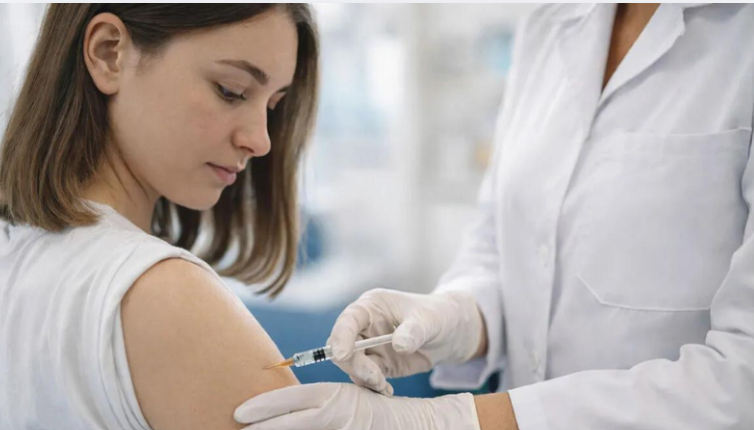
HPV vaccines have been studied extensively and are considered safe and effective for preventing infections caused by the HPV types they target.
Like other vaccines, they can cause temporary side effects. Most are mild and resolve without specific treatment.
Common side effects may include:
Pain, redness, or swelling at the injection site
Mild fever
Headache
Tiredness
Muscle aches
Dizziness or fainting around the time of vaccination
Serious allergic reactions are rare. Vaccination should be administered by a qualified healthcare professional who can provide appropriate observation and care.
Teenagers are often advised to remain seated for approximately 15 minutes after vaccination because fainting can occasionally occur following injections.
If you have a history of a severe allergic reaction to a previous HPV vaccine dose or one of its ingredients, inform your healthcare provider before vaccination.
Can Women Get the HPV Vaccine After Becoming Sexually Active?
Yes. Women who are already sexually active may still benefit from HPV vaccination if they are eligible.
Being sexually active does not necessarily mean that someone has been exposed to every HPV type covered by the vaccine. Vaccination may therefore provide protection against types they have not encountered.
However, the vaccine does not clear an existing HPV infection or treat an HPV-related condition.
Routine HPV vaccination is not usually preceded by HPV testing simply to determine eligibility. A healthcare professional can advise whether vaccination is appropriate based on age, vaccination history, medical circumstances, and local recommendations.
Can the HPV Vaccine Prevent Cervical Cancer Completely?
No vaccine can prevent every case of cervical cancer.
HPV vaccination substantially reduces the risk of cervical cancer by preventing infection with important cancer-causing HPV types. However, other HPV types and uncommon situations may still result in cervical disease.
For this reason, HPV vaccination does not replace cervical cancer screening.
Women should follow the screening recommendations applicable to their age, medical history, and local guidelines, even if they have received the full HPV vaccine series.
Screening may involve HPV testing, a Pap test, or another recommended approach, depending on the circumstances.
Also Read: 10 Practical Ways to Protect Your Cervical Health and Lower Cancer Risk
Can the HPV Vaccine Treat an Existing HPV Infection?
No. The HPV vaccine is designed to prevent new infections from the HPV types it targets. It does not treat an infection that is already present.
It also does not treat genital warts, precancerous cervical changes, or cervical cancer.
If an HPV test is positive, it does not automatically mean that you have cervical cancer. Your doctor may recommend follow-up testing, screening at an appropriate interval, or further evaluation depending on the result.
Vaccination may still be worth discussing with your healthcare provider if you are eligible, but it should not replace the recommended management of an existing infection or abnormal screening result.
Who Should Avoid or Delay HPV Vaccination?
HPV vaccination is suitable for most eligible individuals, but certain circumstances require medical advice.
Severe allergic reaction: Anyone who has experienced a severe allergic reaction to a previous dose or a vaccine component should not receive that vaccine without specialist assessment.
Pregnancy: HPV vaccination is generally postponed until after pregnancy. If a dose is given inadvertently during pregnancy, this is not generally considered a reason for alarm; discuss it with your healthcare provider. Remaining doses can usually be completed after pregnancy.
Moderate or severe acute illness: Vaccination may be delayed until the person has recovered, depending on the circumstances.
Immune system conditions: People with weakened immune systems may need a different dose schedule and may not develop the same level of protection.
A doctor can review your medical history and help determine the most appropriate timing and schedule.
What Other Steps Help Prevent Cervical Cancer?
HPV vaccination is an important part of cervical cancer prevention, but it works best as part of a broader preventive approach.
Consider the following measures:
Get HPV vaccination at the recommended age.
Follow age-appropriate cervical cancer screening recommendations.
Attend follow-up appointments for abnormal screening results.
Avoid smoking, as tobacco use can contribute to the risk of cervical cancer.
Seek medical advice for persistent or unusual symptoms, such as bleeding after intercourse or unexplained vaginal bleeding.
Cervical cancer may not cause noticeable symptoms in its early stages. Preventive vaccination and appropriate screening can help identify and reduce risk before serious disease develops.
When Should You Consult a Gynecologist?
Consider consulting a gynecologist if you want to know whether you or your child should receive the HPV vaccine, need help understanding the dose schedule, or have questions about previous vaccination.
A consultation is also important if you have received an abnormal HPV test result, have been advised to undergo cervical screening, or are experiencing symptoms that require evaluation.
A qualified healthcare professional can explain the benefits and limitations of vaccination, review your medical history, and recommend the appropriate preventive care.
If you are looking for a Gynecology Clinic for HPV vaccination guidance and cervical health advice, Dr. Yuvakshi Juneja provides gynecological care and guidance on preventive women's health.
Women searching for the Best Gynecologist in Delhi NCR can consult a qualified specialist to understand their vaccination eligibility, screening needs, and individual risk factors.
Medical Disclaimer: This article is intended for general educational purposes only and does not replace professional medical advice, diagnosis, or treatment. HPV vaccination recommendations and schedules may vary according to age, vaccine product, medical history, and local guidelines. Consult a qualified healthcare professional for personalised guidance.
Final Thoughts
HPV vaccination is an important preventive measure that can significantly reduce the risk of cervical cancer and other diseases caused by the HPV types covered by the vaccine.
Vaccination is generally most beneficial when given during early adolescence, before exposure to HPV. However, eligible teenagers and adults may still benefit from vaccination depending on their age, previous vaccination history, and individual circumstances.
Remember that the HPV vaccine prevents new infections but does not treat existing HPV infections or eliminate the need for cervical cancer screening.
If you are unsure about the right age, number of doses, or suitability of the vaccine, speak with a gynecologist to make an informed decision about your reproductive health.
FAQs
1. What is the best age for HPV vaccination in women?
HPV vaccination is generally recommended during early adolescence, often starting between 9 and 12 years of age, depending on local guidelines. Vaccination is most effective before exposure to HPV, but eligible older individuals may also benefit.
2. Can a 30-year-old woman get the HPV vaccine?
Some women aged 27–45 may benefit from HPV vaccination, depending on their previous vaccination history and individual circumstances. A healthcare professional can help assess the potential benefits and applicable local recommendations.
3. How many doses of the HPV vaccine are required?
The required number of doses depends on age at the first dose, vaccine product, immune status, and the recommended schedule. Younger adolescents may qualify for a one- or two-dose schedule, while older individuals may require two or three doses.
4. Does the HPV vaccine prevent cervical cancer?
The HPV vaccine significantly reduces the risk of cervical cancer by protecting against important cancer-causing HPV types. However, it does not prevent every case, so recommended cervical cancer screening remains necessary.
5. Is the HPV vaccine safe for women?
Yes. HPV vaccines have an established safety record. Common side effects include injection-site pain, mild fever, headache, and tiredness. Serious allergic reactions are rare.
6. Can married women get the HPV vaccine?
Yes. Marriage does not determine whether someone can receive the HPV vaccine. Eligibility depends on age, previous vaccination, medical history, and applicable recommendations. Some women may still benefit even if they have been sexually active.
7. Can the HPV vaccine be given after an HPV-positive test?
An HPV-positive result does not automatically make someone ineligible for vaccination. The vaccine will not treat the existing infection, but it may protect against other HPV types covered by the vaccine. Follow-up care should continue as recommended by your doctor.
8. Is HPV vaccination necessary if a woman has already had a Pap test?
A Pap test checks for abnormal cervical cells, while the HPV vaccine helps prevent infection with certain HPV types. They serve different purposes. Having a normal Pap test does not eliminate the potential benefits of vaccination if the woman is eligible.
9. Can HPV vaccination cause infertility?
Available evidence does not support the claim that HPV vaccination causes infertility. Preventing HPV-related cervical disease may help reduce the need for certain treatments that can affect reproductive health.
10. Should women continue cervical cancer screening after HPV vaccination?
Yes. Vaccinated women should continue cervical cancer screening according to the recommended schedule for their age and medical history because the vaccine does not protect against every cancer-causing HPV type.