Which Foods Support Fertility in Women? Top Foods for Reproductive Health
When planning a pregnancy, nutrition plays an important role in supporting overall health and reproductive wellbeing. While there is no single food that can guarantee improved fertility, eating a balanced and nutritious diet can provide the body with essential vitamins, minerals, healthy fats, protein, and other nutrients needed for good health.
Certain foods are often associated with a fertility-friendly diet because they provide nutrients that support overall reproductive function. However, diet is only one part of fertility. Factors such as age, ovulation, medical conditions, lifestyle, and reproductive health can also influence the ability to conceive.
What Is a Fertility-Friendly Diet?
A fertility-friendly diet focuses mainly on whole, nutrient-rich foods and a good balance of essential nutrients. Rather than depending on one particular "fertility-boosting" food, aim for variety and consistency in your daily meals.
A balanced diet may include:
Fresh vegetables and fruits
Whole grains
Beans and lentils
Nuts and seeds
Eggs and other sources of protein
Fish and other sources of healthy fats
Dairy or suitable alternatives
Adequate water
Top Foods That May Support Female Fertility
1. Leafy Green Vegetables
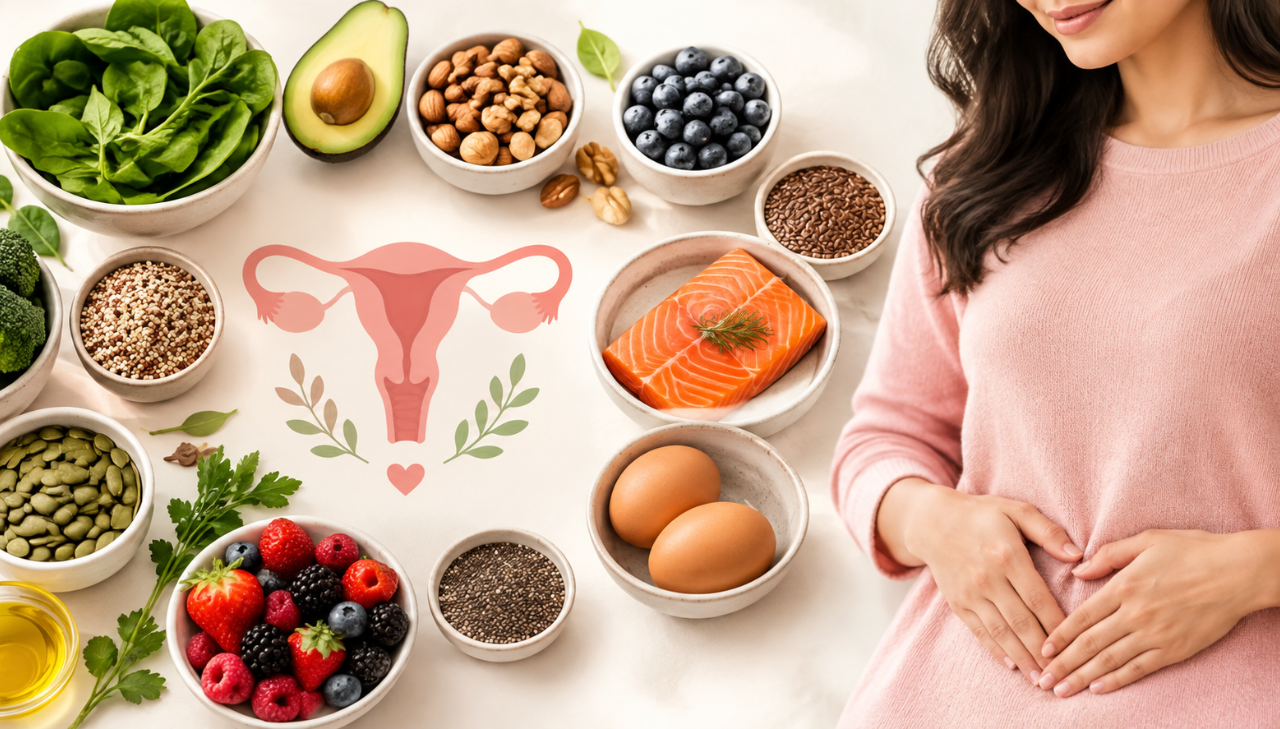
Spinach, broccoli, kale, and other green vegetables provide folate, iron, fibre, and several vitamins and minerals.
Folate is particularly important for women planning pregnancy because adequate folic acid intake before conception and during early pregnancy helps reduce the risk of neural tube defects.
You can include leafy greens in salads, soups, cooked vegetables, or smoothies as part of a balanced diet.
2. Berries and Other Fruits
Berries such as strawberries, blueberries, and raspberries contain antioxidants and other nutrients. Fruits such as oranges, apples, guava, and kiwi can also provide vitamins and fibre.
Instead of focusing on one specific fruit, eating a variety of seasonal fruits can help provide a broader range of nutrients.
3. Nuts and Seeds
Almonds, walnuts, pumpkin seeds, chia seeds, and flaxseeds provide healthy fats, protein, fibre, and other nutrients.
They can be added to yoghurt, oatmeal, salads, or eaten as a snack. Since nuts and seeds are calorie-dense, moderate portions are generally sufficient.
4. Whole Grains
Oats, brown rice, whole-wheat roti, quinoa, and barley are examples of whole grains that provide fibre and other nutrients.
Replacing some refined grains with whole-grain alternatives can contribute to a balanced eating pattern and support overall metabolic health.
5. Beans and Lentils
Lentils, chickpeas, kidney beans, and other legumes provide plant-based protein, fibre, folate, iron, and other nutrients.
They can be included regularly through dal, soups, salads, curries, and other meals.
6. Eggs
Eggs provide high-quality protein along with several vitamins and minerals. They can be included as part of a balanced diet unless you have an allergy or have been advised otherwise by your healthcare provider.
7. Fatty Fish
Fish such as salmon, sardines, and mackerel provide omega-3 fatty acids and protein.
If you are trying to conceive or may become pregnant, choose fish that are lower in mercury and follow appropriate guidance regarding fish consumption during pregnancy.
8. Dairy and Dairy Alternatives
Milk, yoghurt, and other dairy products can provide protein, calcium, and other nutrients. Fortified dairy alternatives may also be suitable depending on your dietary preferences and nutritional requirements.
Choose options that fit into your overall balanced diet and avoid relying heavily on highly sweetened products.
9. Avocados and Healthy Fats
Avocados contain unsaturated fats, fibre, and several vitamins and minerals. Other sources of healthy fats include nuts, seeds, olive oil, and certain types of fish.
Including healthy fats as part of a balanced diet can support overall nutritional health.
10. Iron-Rich Foods
Iron is an important nutrient for women, particularly those who experience regular menstrual blood loss. Dietary sources include lentils, beans, leafy green vegetables, eggs, meat, and fortified foods.
If you have heavy periods or have been diagnosed with iron deficiency, consult a healthcare professional rather than relying only on dietary changes. Supplements may be recommended when medically appropriate.
Is Folic Acid Important When Trying to Conceive?
Yes. Women planning pregnancy are generally advised to take folic acid before conception and during early pregnancy. Adequate folic acid helps reduce the risk of neural tube defects in the developing baby.
Although foods such as leafy greens, beans, and fortified grains contain folate, diet alone may not provide the recommended amount of folic acid needed before and during early pregnancy.
Speak with your healthcare provider about the appropriate supplement and dosage based on your individual needs.
Also Read: How to increase fertility naturally in women
Foods and Habits to Limit
A fertility-supportive diet is not only about adding nutritious foods. It is also important to limit certain foods and lifestyle habits that may negatively affect overall health.
Consider limiting:
Highly processed foods
Excessive added sugar
Trans fats
Excessive caffeine
Excessive alcohol
Smoking should also be avoided when planning pregnancy, as it can negatively affect reproductive health.
Can Food Alone Increase Fertility?
Food can provide important nutrients and support overall health, but there is no specific food that can guarantee increased fertility or pregnancy.
Fertility can be influenced by several factors, including age, ovulation, PCOS, endometriosis, hormonal conditions, problems affecting the reproductive organs, and male-factor fertility issues.
Therefore, nutrition should be viewed as one part of preparing for pregnancy rather than a treatment for infertility.
When Should You Seek Fertility Advice?
If you have been trying to conceive without success, speaking with a healthcare professional can help identify possible causes and determine whether further evaluation is needed.
You may benefit from seeking medical advice if:
Your periods are irregular or absent.
You have a history of PCOS or endometriosis.
You experience very painful periods.
You have undergone pelvic or reproductive surgery.
You have experienced repeated miscarriages.
You have concerns about your fertility.
You have been trying to conceive for 12 months without success if you are under 35.
You are 35 or older and have been trying for around six months without success.
Earlier evaluation may be appropriate when there is a known medical condition that could affect fertility. Consulting a Best Gynecologist in Delhi NCR can help you understand potential fertility-related concerns and receive personalised guidance based on your health and reproductive goals.
Why Fertility Evaluation Matters
Difficulty conceiving is not always related to the woman. Fertility can be affected by factors involving either partner, and sometimes both partners may require evaluation.
A fertility assessment may involve reviewing your medical and menstrual history, conducting a physical examination, and recommending appropriate tests based on your individual circumstances.
Your doctor may evaluate ovulation, hormone levels, the uterus, fallopian tubes, or other factors when clinically appropriate. Identifying an underlying issue can help determine whether lifestyle changes, medication, fertility treatment, or other medical care may be appropriate.
Final Thoughts
There is no single food that can increase fertility on its own. However, following a balanced diet that includes vegetables, fruits, whole grains, legumes, nuts, seeds, healthy fats, protein, and appropriate sources of iron and folate can support overall health while preparing for pregnancy.
Along with good nutrition, maintaining a healthy weight, staying physically active, avoiding smoking and excessive alcohol, getting adequate sleep, and attending appropriate preconception check-ups can support reproductive health.
Nutrition is an important part of preconception care, but individual fertility needs can vary. If you have concerns about conception, Dr. Yuvakshi Juneja can help assess your reproductive health and guide you on appropriate next steps.
Disclaimer: This article is for informational purposes only and does not constitute medical advice or replace consultation with a qualified healthcare professional.
FAQs
1. Which foods are best for female fertility?
There is no single food proven to increase fertility. A balanced diet containing vegetables, fruits, whole grains, legumes, nuts, seeds, healthy fats, and adequate protein can support overall reproductive health.
2. Do fruits and vegetables improve fertility?
Fruits and vegetables provide vitamins, minerals, fibre, and other nutrients that support overall health. They can be an important part of a balanced diet when planning pregnancy.
3. Is folic acid important when trying to get pregnant?
Yes. Folic acid taken before conception and during early pregnancy helps reduce the risk of neural tube defects. Ask your healthcare provider about the appropriate supplement and dosage.
4. Are nuts good for women trying to conceive?
Nuts provide healthy fats, protein, fibre, and several nutrients. They can be included as part of a balanced diet, although no specific nut is proven to increase fertility on its own.
5. Can an unhealthy diet affect fertility?
Poor overall nutrition and unhealthy lifestyle habits may affect general and reproductive health. Maintaining a balanced diet and healthy lifestyle can support overall wellbeing while trying to conceive.
6. Should I take fertility supplements?
Do not start fertility supplements or herbal products without discussing them with a healthcare professional. Some supplements may not be necessary and can sometimes interact with medications.
7. Can diet alone treat infertility?
No. Diet can support overall health but cannot treat every cause of infertility. If you are having difficulty conceiving, a medical evaluation can help identify potential underlying factors.