Endometrial Polyp: Diagnosis and Treatment Options
Changes in menstrual bleeding, spotting between periods or bleeding after menopause may sometimes be associated with conditions affecting the uterus. One such condition is an endometrial polyp, which develops when tissue from the lining of the uterus grows abnormally.
While many endometrial polyps are benign, they may cause irregular bleeding, difficulties with fertility or other menstrual concerns. Some polyps may also be discovered during routine gynaecological examinations when a woman has no noticeable symptoms.
Understanding the symptoms, diagnostic procedures and available treatment options can help women seek timely medical advice. If you are looking for endometrial polyp treatment in Delhi, consulting a gynaecologist can help determine the appropriate approach based on your symptoms and medical history.
In this guide, we discuss what endometrial polyps are, their symptoms, causes, diagnosis and available treatment options.
What Is an Endometrial Polyp?
An endometrial polyp is a growth that develops from the lining of the uterus, known as the endometrium. These growths form when cells in the uterine lining multiply and create a tissue projection inside the uterine cavity.
Endometrial polyps may vary in size and number. Some are small and may not cause any symptoms, while others may lead to irregular menstrual bleeding, spotting or fertility-related concerns.
Most endometrial polyps are non-cancerous. However, certain polyps may contain precancerous or cancerous changes, particularly in women with specific risk factors. Medical evaluation helps determine whether monitoring or treatment is necessary.
Common Symptoms of Endometrial Polyps
Endometrial polyps may not always cause noticeable symptoms. However, some women may experience changes in their menstrual cycle or unexpected bleeding.
Common symptoms include:
Irregular menstrual periods
Heavy menstrual bleeding
Spotting between periods
Bleeding after menopause
Prolonged menstrual bleeding
Difficulty conceiving in some cases
Women experiencing recurring or unusual bleeding should consult a gynaecologist to determine the underlying cause. These symptoms may also be associated with other gynaecological conditions, so proper evaluation is important.
Irregular or unusual bleeding should not always be considered a normal menstrual change. You can also read about the signs that indicate when you should see a gynaecologist to understand when medical evaluation may be necessary.
What Causes Endometrial Polyps?
The exact cause of endometrial polyps is not always clear. However, hormonal factors, particularly the influence of oestrogen, are believed to play a role in their development.
Some factors associated with endometrial polyps include:
Hormonal changes: Oestrogen influences the growth of the uterine lining, and hormonal activity may contribute to polyp formation.
Age: Endometrial polyps are more commonly diagnosed during the reproductive years and around menopause.
Hormonal imbalance: Changes in hormonal levels may influence the development of growths within the endometrium.
Certain medical factors: Some conditions and medications may be associated with a higher likelihood of developing endometrial polyps.
Not every woman with these factors develops polyps, and they may also occur without an identifiable risk factor.
Certain uterine conditions may also be identified during fertility-related investigations. Read more about recurrent miscarriage, its causes and investigations to understand how reproductive health concerns may be assessed.
How Are Endometrial Polyps Diagnosed?
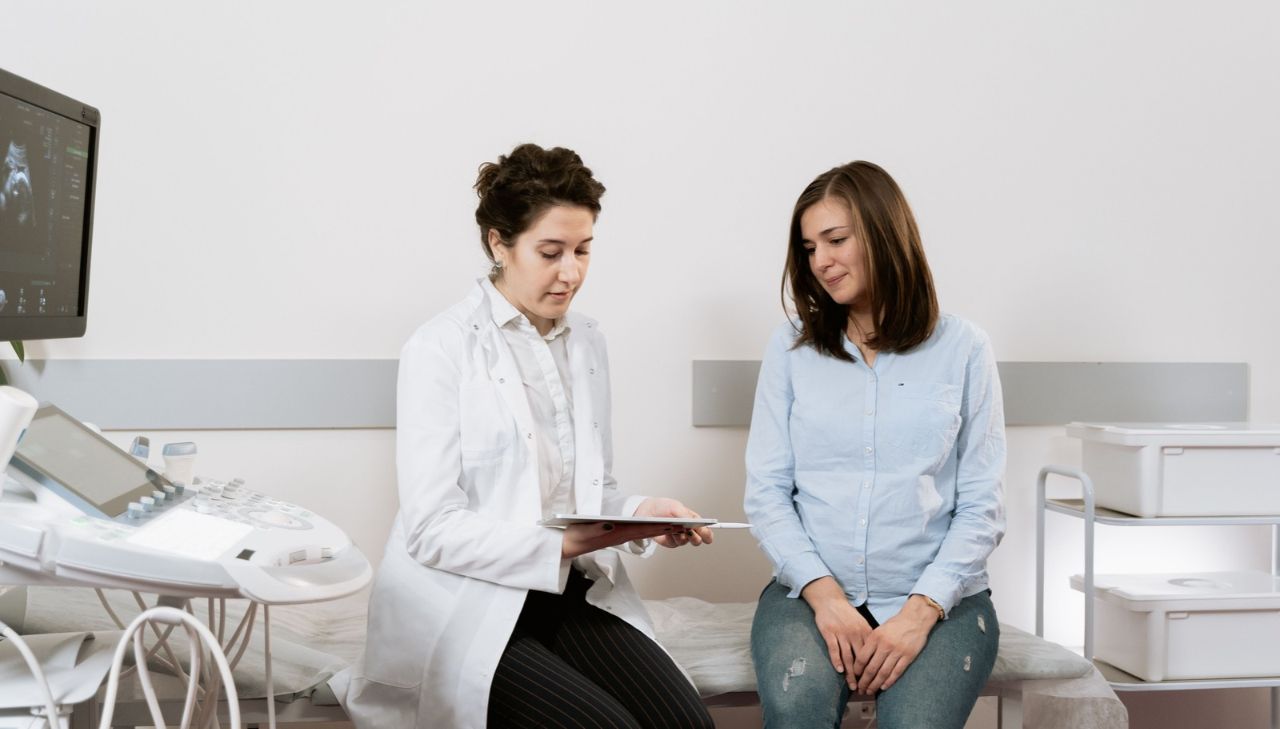
Diagnosis involves evaluating symptoms, medical history and the structure of the uterine cavity. A gynaecologist may recommend one or more of the following investigations.
1. Transvaginal Ultrasound
Transvaginal ultrasound uses sound waves to examine the uterus and surrounding reproductive organs. It may help identify a polyp, assess the thickness of the endometrial lining and evaluate other possible causes of abnormal bleeding.
2. Saline Infusion Sonography
In this procedure, a small amount of saline is introduced into the uterine cavity during an ultrasound examination. The saline helps make the inside of the uterus more visible, which may help identify polyps or other abnormalities.
3. Hysteroscopy
Hysteroscopy involves inserting a thin instrument with a camera through the cervix to examine the uterine cavity. It allows the doctor to directly visualise the polyp and may also be used to remove it during the same procedure.
Hysteroscopy is also used in selected gynaecological procedures to evaluate and treat conditions affecting the uterine cavity. You can learn more about the doctor's experience through the gynaecologist's profile and consultation services.
4. Endometrial Biopsy
In selected cases, a sample of the uterine lining may be collected and examined under a microscope. This helps evaluate abnormal tissue changes and rule out concerning conditions when clinically indicated.
The choice of investigation depends on symptoms, ultrasound findings, age and individual medical history.
Endometrial Polyp Treatment in Delhi: Available Options
Treatment for endometrial polyps depends on their size, symptoms, location, number, the patient's age and fertility plans. Not every polyp requires immediate removal.
1. Observation and Monitoring
Small polyps that do not cause symptoms may sometimes be monitored, particularly when the risk of complications is considered low. Your gynaecologist may recommend follow-up examinations to assess whether the polyp changes over time.
2. Medication
Certain hormonal medications may help manage symptoms such as abnormal uterine bleeding. However, medications may not eliminate the polyp itself, and treatment decisions depend on the patient's condition.
3. Hysteroscopic Polyp Removal
Hysteroscopic polypectomy is a commonly used procedure for removing endometrial polyps. During the procedure, a hysteroscope is inserted through the cervix into the uterus, allowing the doctor to visualise and remove the polyp.
The removed tissue may be sent for histopathological examination to determine its nature.
4. Further Treatment When Necessary
If examination of the polyp reveals abnormal tissue changes, additional evaluation or treatment may be recommended. The approach depends on the findings and the patient's overall health.
Treatment should be individualised rather than based solely on the size of the polyp.
Can Endometrial Polyps Affect Fertility?
Endometrial polyps may affect fertility in some women, depending on their size, location and number. Polyps located within the uterine cavity may interfere with implantation or affect the environment in which an embryo develops.
Women experiencing difficulty conceiving may be evaluated for endometrial polyps along with other possible fertility-related factors. In selected cases, removal of the polyp may be recommended before attempting pregnancy or undergoing fertility treatment.
However, not every endometrial polyp affects fertility. The decision to remove a polyp depends on the patient's symptoms, reproductive plans and medical evaluation.
Women experiencing difficulty conceiving may also benefit from a broader fertility evaluation and consultation to identify other factors that may affect pregnancy.
When Should You Consult a Gynaecologist?
You should consider consulting a gynaecologist if you experience:
Repeated spotting between periods
Heavy or prolonged menstrual bleeding
Bleeding after menopause
Unusual changes in your menstrual cycle
Difficulty conceiving
Persistent pelvic discomfort along with abnormal bleeding
Timely evaluation can help identify the cause of these symptoms and determine whether treatment is necessary.
Women experiencing heavy menstrual bleeding may also find it helpful to read about blood clots during periods, their causes and when to seek medical advice.
If you are looking for the Best Gynaecologist in South Delhi, you can explore the doctor's profile, experience and consultation services.
Where to Consult for Endometrial Polyp Treatment in Delhi?
If you are experiencing abnormal menstrual bleeding or have been diagnosed with an endometrial polyp, consulting an experienced gynaecologist can help you understand your condition and available treatment options.
At Dr. Yuvakshi Juneja Clinic, women can seek consultation for menstrual concerns, uterine conditions and other gynaecological health issues. Dr. Yuvakshi Juneja is a Senior Consultant Obstetrician and Gynaecologist with over 30 years of experience in women's healthcare.
During consultation, your symptoms, previous reports and medical history can be evaluated to determine whether observation, further investigations or treatment may be appropriate.
If you are looking for the Best Gynaecologist in South Delhi, you can visit the clinic's website to learn more about the doctor's experience and consultation services.
Frequently Asked Questions (FAQs)
1. What is an endometrial polyp?
An endometrial polyp is a growth that develops from the lining of the uterus. It may cause irregular bleeding, spotting or heavy periods, although some women do not experience any symptoms.
2. Are endometrial polyps cancerous?
Most endometrial polyps are benign. However, some may contain precancerous or cancerous changes. A gynaecologist may recommend further evaluation or tissue examination depending on the patient's symptoms and risk factors.
3. Can endometrial polyps cause heavy periods?
Yes, endometrial polyps may cause heavy menstrual bleeding, prolonged periods or spotting between menstrual cycles.
4. Is surgery necessary for endometrial polyps?
Not every endometrial polyp requires surgery. Some may be monitored, while others may require removal depending on symptoms, size, medical history and risk factors.
5. How are endometrial polyps removed?
Endometrial polyps are commonly removed using hysteroscopy. The procedure allows the doctor to visualise the uterine cavity and remove the polyp through the cervix without an abdominal incision.
6. Can endometrial polyps affect pregnancy?
Endometrial polyps may affect implantation or fertility in some women, depending on their size and location. A gynaecologist can assess whether removal may be beneficial for women planning pregnancy.
7. Can endometrial polyps return after treatment?
Yes, endometrial polyps may recur after removal. Follow-up may be recommended depending on symptoms, medical history and the initial findings.