Ectopic Pregnancy: Symptoms, Diagnosis and Treatment Options
Introduction
Pregnancy is an important phase in a woman's life, but certain complications may require immediate medical attention. One such condition is an ectopic pregnancy, which occurs when a fertilised egg implants outside the uterus instead of inside it. In most cases, the pregnancy develops in the fallopian tube.
An ectopic pregnancy cannot develop into a normal pregnancy and may become serious if it is not diagnosed and treated on time. As the pregnancy grows, it can damage the surrounding tissues and cause internal bleeding.
Understanding the early signs, possible causes and available treatment options can help women recognise potential warning signs. Whether you have recently received a positive pregnancy test or have experienced an ectopic pregnancy in the past, timely medical guidance is important for your reproductive health.
What Is an Ectopic Pregnancy?
An ectopic pregnancy occurs when a fertilised egg implants outside the main cavity of the uterus. In a normal pregnancy, the fertilised egg travels through the fallopian tube and attaches to the lining of the uterus.
However, sometimes this process does not happen as expected, and the fertilised egg implants in another location.
The most common type is a tubal pregnancy, where implantation occurs inside the fallopian tube. Other types include:
Ovarian pregnancy: The fertilised egg implants in or on the ovary.
Cervical pregnancy: The pregnancy develops in the cervix.
Abdominal pregnancy: The fertilised egg implants within the abdominal cavity.
Interstitial pregnancy: The pregnancy develops in the part of the fallopian tube that passes through the muscular wall of the uterus.
An ectopic pregnancy cannot continue safely and requires medical evaluation to determine the appropriate treatment.
What Are the Early Symptoms of Ectopic Pregnancy?
The symptoms of an ectopic pregnancy may initially resemble those of a normal pregnancy. Some women may not experience noticeable symptoms during the early stages.
However, certain signs should not be ignored.
1. Abdominal or Pelvic Pain
Pain in the lower abdomen or pelvic region is one of the common symptoms of ectopic pregnancy. It may occur on one side and can range from mild discomfort to severe pain.
The pain may become persistent or worsen as the pregnancy develops.
2. Vaginal Bleeding
Unusual vaginal bleeding or spotting may occur during an ectopic pregnancy. Some women may mistake it for a regular menstrual period.
However, bleeding accompanied by abdominal pain or other pregnancy symptoms should be medically evaluated.
3. Shoulder Tip Pain
Shoulder tip pain can sometimes occur due to internal bleeding. Blood inside the abdomen may irritate the diaphragm, causing pain that is felt around the shoulder.
This can be a warning sign of a serious complication.
4. Dizziness or Fainting
Dizziness, weakness or fainting may occur if internal bleeding causes a drop in blood pressure.
These symptoms require immediate medical attention, particularly when accompanied by abdominal pain.
5. Nausea and Discomfort
Some women may experience nausea, vomiting or gastrointestinal discomfort. These symptoms can also occur during a normal pregnancy, so they cannot independently confirm an ectopic pregnancy.
If you experience unusual symptoms along with pelvic pain or bleeding, consult a healthcare professional.
Important: Sudden severe abdominal pain, shoulder tip pain, fainting or extreme dizziness may indicate a ruptured ectopic pregnancy. Seek emergency medical care immediately.
What Causes an Ectopic Pregnancy?
An ectopic pregnancy usually occurs when the fertilised egg cannot travel normally through the fallopian tube before implantation.
Several factors may increase the risk.
1. Previous Ectopic Pregnancy
Women who have experienced an ectopic pregnancy in the past may have a higher chance of experiencing it again.
2. Pelvic Inflammatory Disease
Pelvic inflammatory disease (PID) can cause inflammation and scarring in the reproductive organs. This may affect the normal movement of the fertilised egg through the fallopian tube.
3. Fallopian Tube Damage
Previous infections, inflammation or surgery involving the fallopian tubes may affect their normal functioning.
4. Previous Abdominal or Pelvic Surgery
Certain surgeries may lead to scar tissue formation, which can sometimes affect the reproductive organs and increase the risk of ectopic pregnancy.
5. Smoking
Smoking is associated with an increased risk of ectopic pregnancy and may affect the normal functioning of the fallopian tubes.
6. Fertility Treatments
Some fertility treatments and assisted reproductive techniques may be associated with an increased risk of ectopic pregnancy.
However, an ectopic pregnancy can also occur in women who have no known risk factors.
How Is Ectopic Pregnancy Diagnosed?
Early diagnosis is important to identify the location of the pregnancy and prevent serious complications.
A gynaecologist may recommend different investigations depending on the patient's symptoms, pregnancy stage and medical history.
1. Blood Test (Beta-hCG)
A beta-hCG blood test measures the level of human chorionic gonadotropin, a hormone produced during pregnancy.
Doctors may recommend repeated blood tests to understand how hormone levels are changing. These results can help assess the pregnancy, but beta-hCG levels alone cannot confirm an ectopic pregnancy.
2. Transvaginal Ultrasound
A transvaginal ultrasound helps examine the uterus, fallopian tubes and surrounding pelvic structures.
It is commonly used to check whether the pregnancy is developing inside the uterus. If the location cannot be confirmed during the first examination, repeat scans and blood tests may be required.
3. Pelvic Examination
The doctor may ask about abdominal pain, vaginal bleeding, menstrual history and previous pregnancies.
A physical examination may also help identify areas of tenderness or discomfort.
The diagnosis is generally based on symptoms, ultrasound findings and blood test results.
What Are the Treatment Options for Ectopic Pregnancy?
Treatment depends on the location and size of the pregnancy, beta-hCG levels, symptoms and the patient's overall health.
There are three main approaches to managing an ectopic pregnancy.
1. Medical Treatment
In selected cases, doctors may recommend a medicine called methotrexate.
It stops the growth of pregnancy tissue, allowing the body to gradually absorb it.
Medical treatment may be considered when:
The patient is medically stable.
There is no evidence of rupture.
The pregnancy meets the required clinical criteria.
Regular follow-up and blood tests are possible.
Not every patient is suitable for this treatment. Regular monitoring is necessary to ensure that beta-hCG levels decrease appropriately.
2. Surgical Treatment
Surgery may be required if the ectopic pregnancy has ruptured, there is internal bleeding or medical treatment is not suitable.
Depending on the patient's condition, the doctor may recommend:
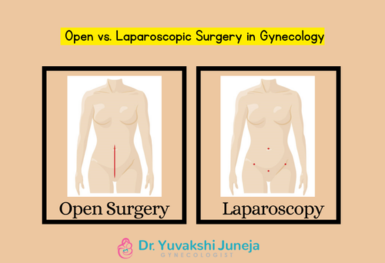
Laparoscopic Surgery: This is a minimally invasive procedure performed through small incisions in the abdomen.
Salpingectomy: In this procedure, the affected fallopian tube is removed.
Salpingostomy: The ectopic pregnancy is removed while attempting to preserve the affected fallopian tube.
The choice of surgery depends on the extent of damage, bleeding and the condition of the other fallopian tube.
3. Expectant Management
In certain selected cases, the ectopic pregnancy may resolve naturally without medication or surgery.
This approach is called expectant management and involves regular monitoring of beta-hCG levels and medical supervision.
It is only suitable when the patient is stable and meets specific clinical criteria.
Can You Get Pregnant After an Ectopic Pregnancy?
Yes, many women can conceive and have a healthy pregnancy after experiencing an ectopic pregnancy.
However, future fertility may depend on the condition of the fallopian tubes, previous reproductive health concerns and the treatment received.
Women planning another pregnancy should consider the following:
Discuss future pregnancy planning with a gynaecologist.
Allow sufficient recovery time before trying to conceive again.
Seek early medical advice after a positive pregnancy test.
Consider an early ultrasound to confirm the location of the next pregnancy.
A previous ectopic pregnancy increases the risk of another ectopic pregnancy. Therefore, early pregnancy monitoring is particularly important.
For more information about pregnancy planning and fertility considerations, read our guide on Pregnancy After 35: Fertility Tests and Care.
How to Reduce the Risk of Ectopic Pregnancy?
Not every ectopic pregnancy can be prevented. However, certain steps may help reduce some associated risk factors.
1. Seek Timely Treatment for Infections
Early diagnosis and treatment of sexually transmitted infections and pelvic inflammatory disease may help reduce the risk of fallopian tube damage.
2. Avoid Smoking
Smoking is associated with an increased risk of ectopic pregnancy. Avoiding tobacco can support better reproductive health.
3. Attend Regular Gynaecological Checkups
Regular consultations can help identify reproductive health concerns and provide guidance based on your medical history.
4. Discuss Previous Pregnancy Complications
If you have experienced an ectopic pregnancy or undergone fallopian tube surgery, discuss your medical history with your doctor before planning another pregnancy.
These steps cannot guarantee prevention, but they can help you make informed decisions about reproductive health.
When Should You Consult a Gynaecologist?
Early pregnancy symptoms should be evaluated carefully, particularly when accompanied by abdominal pain or unusual bleeding.
You should seek medical advice if you experience:
Lower abdominal pain after a positive pregnancy test.
Unusual vaginal bleeding or spotting.
Pelvic pain on one side.
A previous history of ectopic pregnancy.
Persistent discomfort during early pregnancy.
If you experience sudden severe pain, fainting, shoulder tip pain or extreme dizziness, seek emergency medical attention immediately.
If you are looking for a Pregnancy Care Doctor in South Delhi, consulting a qualified gynaecologist can help you understand your symptoms, undergo the necessary investigations and receive appropriate medical guidance.
Pregnancy Care at Dr. Yuvakshi Juneja Clinic
Every pregnancy requires appropriate medical attention, and certain pregnancy complications need timely evaluation.
At Dr. Yuvakshi Juneja Clinic, women can seek guidance for pregnancy-related concerns, reproductive health conditions and gynaecological problems.
Dr. Yuvakshi Juneja focuses on understanding each patient's medical history and individual health requirements before recommending an appropriate course of care.
Whether you have concerns about early pregnancy symptoms, previous pregnancy complications or future pregnancy planning, a gynaecological consultation can help you understand the available options.
For women seeking pregnancy-related guidance, an early consultation can help identify potential concerns and determine the next steps.
Final Thoughts
Ectopic pregnancy is a serious pregnancy complication that requires early diagnosis and appropriate medical management. Although its initial symptoms may resemble those of a normal pregnancy, signs such as abdominal pain, vaginal bleeding, dizziness and shoulder tip pain should not be ignored.
Treatment may involve medication, surgery or expectant management, depending on the patient's medical condition.
A previous ectopic pregnancy does not mean that you cannot have a healthy pregnancy in the future. With appropriate medical guidance and early monitoring, many women can plan another pregnancy.
If you experience unusual symptoms during early pregnancy, consult a qualified gynaecologist for timely evaluation and personalised guidance.
FAQs
1. What are the first warning signs of an ectopic pregnancy?
Early warning signs may include lower abdominal pain, pelvic discomfort and vaginal spotting. Some women may also experience dizziness or shoulder tip pain. Symptoms can vary, and medical evaluation is important.
2. Can an ectopic pregnancy be detected in an ultrasound?
Yes. A transvaginal ultrasound is commonly used to identify the location of a pregnancy. Blood tests measuring beta-hCG levels may also be recommended to support the diagnosis.
3. Can an ectopic pregnancy be treated without surgery?
In selected cases, doctors may recommend methotrexate medication or expectant management. However, surgery may be necessary if the pregnancy has ruptured or there is significant internal bleeding.
4. Can I get pregnant naturally after an ectopic pregnancy?
Yes. Many women conceive naturally after an ectopic pregnancy. However, the chances may depend on the condition of the remaining fallopian tube and other fertility-related factors.
5. How long should I wait to conceive after an ectopic pregnancy?
The recommended waiting period depends on the treatment received and individual recovery. Women treated with methotrexate are generally advised to wait at least three months before trying to conceive. Always follow your doctor's advice.
6. Is ectopic pregnancy life-threatening?
Yes. If an ectopic pregnancy ruptures, it can cause severe internal bleeding and become life-threatening. Sudden abdominal pain, fainting or severe dizziness requires immediate emergency medical attention.