Can You Get Pregnant With PCOS? Understanding Fertility and Pregnancy
If you have PCOS and want to have a baby, you may be wondering, “Can I get pregnant with PCOS?” The good news is, yes, you can. PCOS can make it harder for some women to get pregnant, but it does not mean you cannot have a baby. Many women with PCOS conceive naturally, while others may need some medical help.
The first step is understanding how PCOS affects your fertility and when it may be time to seek help.
What Is PCOS and How Does It Affect Fertility?
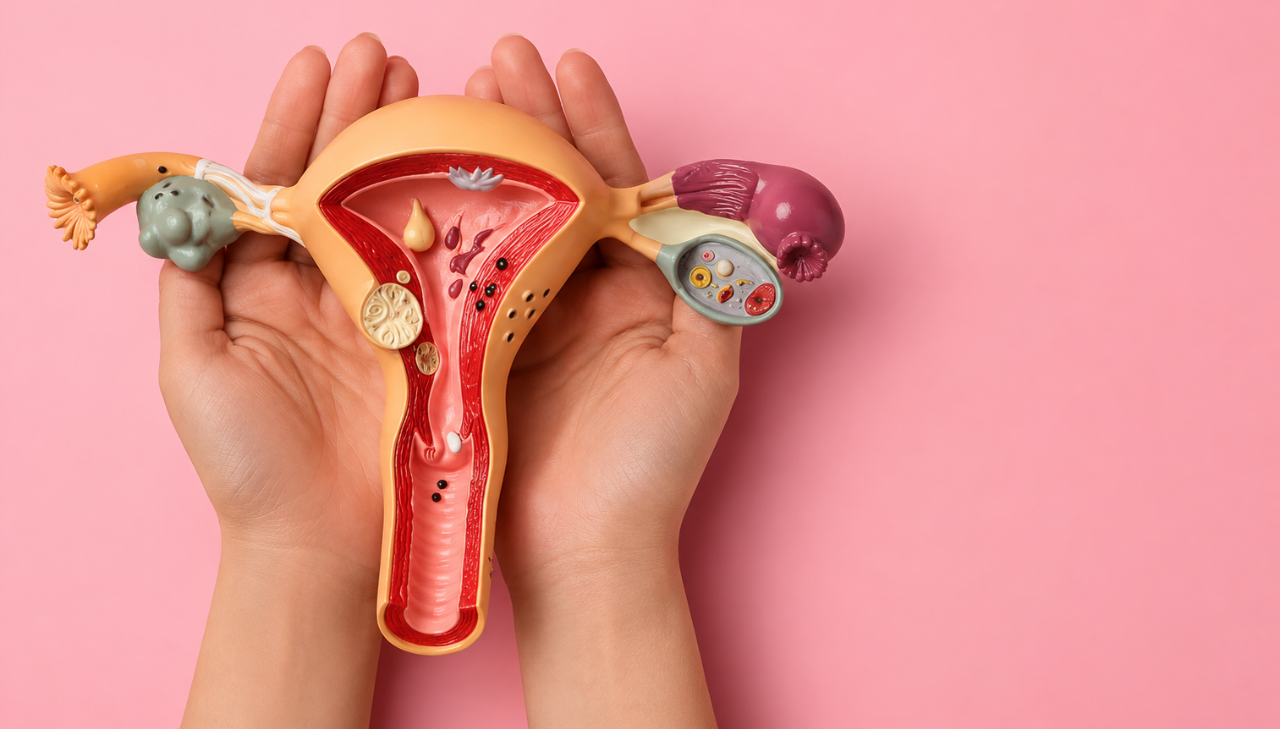
Polycystic ovary syndrome, or PCOS, is a common hormonal condition. It can affect your periods, ovulation, and overall health. One of the biggest ways PCOS can affect fertility is by causing irregular ovulation. Ovulation is when your ovary releases an egg. If you do not ovulate regularly, it can be harder to know when you are most fertile.
PCOS can also cause irregular periods, acne, unwanted facial or body hair, and weight changes. Not every woman will have the same symptoms. Having PCOS does not mean you are infertile. It simply means you may need some extra support when trying to conceive.
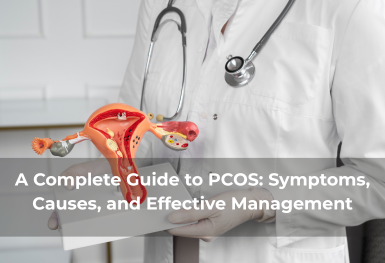
Also Read: A Complete Guide to PCOS: Symptoms, Causes, and Effective Management
Can PCOS Cause Infertility?
PCOS can make it harder to get pregnant when it affects ovulation. But there is an important difference between having difficulty conceiving and being unable to get pregnant.
Here are some ways PCOS may affect fertility:
Irregular Ovulation
This is one of the most common reasons PCOS can affect conception. If you do not release an egg regularly, there are fewer chances to become pregnant.
Hormonal Changes
PCOS can cause changes in hormone levels. These changes may affect how an egg develops and when ovulation happens.
Insulin Resistance
Some women with PCOS have insulin resistance. This can affect blood sugar levels and may also contribute to hormonal changes. However, not every woman with PCOS has insulin resistance.
Weight and Fertility
Weight can affect ovulation and pregnancy for some women with PCOS. However, PCOS can affect women of all body types. Your fertility should always be looked at as a whole rather than based on weight alone.
What Are the Signs That PCOS May Be Affecting Your Fertility?
You may want to speak with a doctor if you have:
Very irregular or missed periods
Long menstrual cycles
Very few periods in a year
Trouble predicting when you ovulate
Difficulty getting pregnant
These signs do not mean that you are infertile. They may simply mean that your ovulation needs to be checked.
Can You Get Pregnant Naturally With PCOS?
Yes. Many women with PCOS get pregnant naturally. Some women with PCOS ovulate regularly, while others ovulate less often. If your periods are irregular, it may be harder to know when you are fertile.
If you are trying for a baby, your doctor can check whether you are ovulating and look for any other factors that may affect your fertility.
How Can You Improve Your Chances of Getting Pregnant With PCOS?
There is no single diet or lifestyle plan that works for every woman with PCOS. Small, healthy habits can still make a difference to your overall well-being.
Eat a Balanced Diet
Focus on nutritious, balanced meals rather than strict or restrictive diets. If you need help with your diet, a doctor or dietitian can guide you.
Stay Physically Active
Regular movement can support your overall health and help manage some PCOS-related concerns. Choose activities that you enjoy and can continue regularly.
Get Enough Sleep
Good sleep and managing stress are also important for your overall health. Try to build simple habits that fit comfortably into your daily routine.
What Fertility Treatments Are Available for PCOS?
If PCOS is affecting your ovulation and you are having trouble conceiving, treatment can help.
Medicines to Help With Ovulation
For women with PCOS who are not ovulating regularly, letrozole is recommended as a first-choice medicine to help trigger ovulation when there are no other infertility factors. A Best Gynecologist in South Delhi can assess whether it is right for you and monitor your treatment.
IUI and IVF
If medicines do not work or another fertility problem is found, treatments such as IUI or IVF may be considered. Having PCOS does not mean you automatically need IVF. Your doctor will look at your overall fertility before suggesting a treatment. You can also schedule an IVF consultation to understand whether this treatment may be suitable for you.
Also Read: IUI vs IVF: Key Differences, Success Rates & How to Choose the Right Fertility Treatment
Can PCOS Affect Pregnancy?
PCOS can sometimes affect pregnancy too. Women with PCOS have a higher chance of certain problems, such as gestational diabetes and high blood pressure during pregnancy. But this does not mean that you will have complications. Many women with PCOS have healthy pregnancies and healthy babies.
Regular pregnancy check-ups can help your doctor keep track of your health and your baby's development.
When Should You See a Fertility Specialist?
It may be a good idea to see a gynaecologist or fertility specialist if:
Your periods are very irregular or missing.
You are not sure if you are ovulating.
You have been trying to get pregnant without success.
You have another known fertility concern.
You have PCOS and are planning a pregnancy.
Getting advice early can help you understand what may be affecting your fertility. If you are seeking specialist care, Dr. Yuvakshi Juneja can help assess your fertility and discuss suitable options.
PCOS Does Not Mean You Cannot Get Pregnant
A PCOS diagnosis can feel worrying when you are planning a family. But PCOS does not mean you cannot become a mother. Some women with PCOS get pregnant naturally. Others may need medicines or fertility treatment. What matters is finding out how PCOS is affecting your body and getting the right support.
If you have PCOS and are planning a pregnancy, speaking with an experienced gynaecologist can help you understand your fertility and choose the right path for you.
Disclaimer: This article is intended for general informational and educational purposes only. It does not replace professional medical advice, diagnosis, or treatment. Please consult a qualified and registered medical practitioner for advice based on your individual health needs.
FAQs
1. Can I get pregnant naturally if I have PCOS?
Yes. Many women with PCOS can become pregnant naturally. PCOS may make conception more difficult for some women because irregular ovulation can reduce the number of opportunities to conceive.
2. How does PCOS affect fertility?
PCOS can affect fertility by causing irregular or absent ovulation. This can make it harder to predict the fertile days and conceive. However, PCOS does not mean you cannot become pregnant, and treatment can help improve ovulation when needed.
3. What is the best fertility treatment for PCOS?
For women with PCOS who are not ovulating and have no other infertility factors, letrozole is recommended as the first-line medication for inducing ovulation. Treatment should be prescribed and monitored by a healthcare professional.
4. When should I see a doctor for PCOS and fertility?
Consider seeing a doctor if your periods are very irregular, you are not sure whether you are ovulating, or you are having trouble getting pregnant.
5. Can lifestyle changes help with PCOS?
Yes. A balanced diet, regular physical activity, good sleep, and healthy daily habits can support overall health and PCOS management.