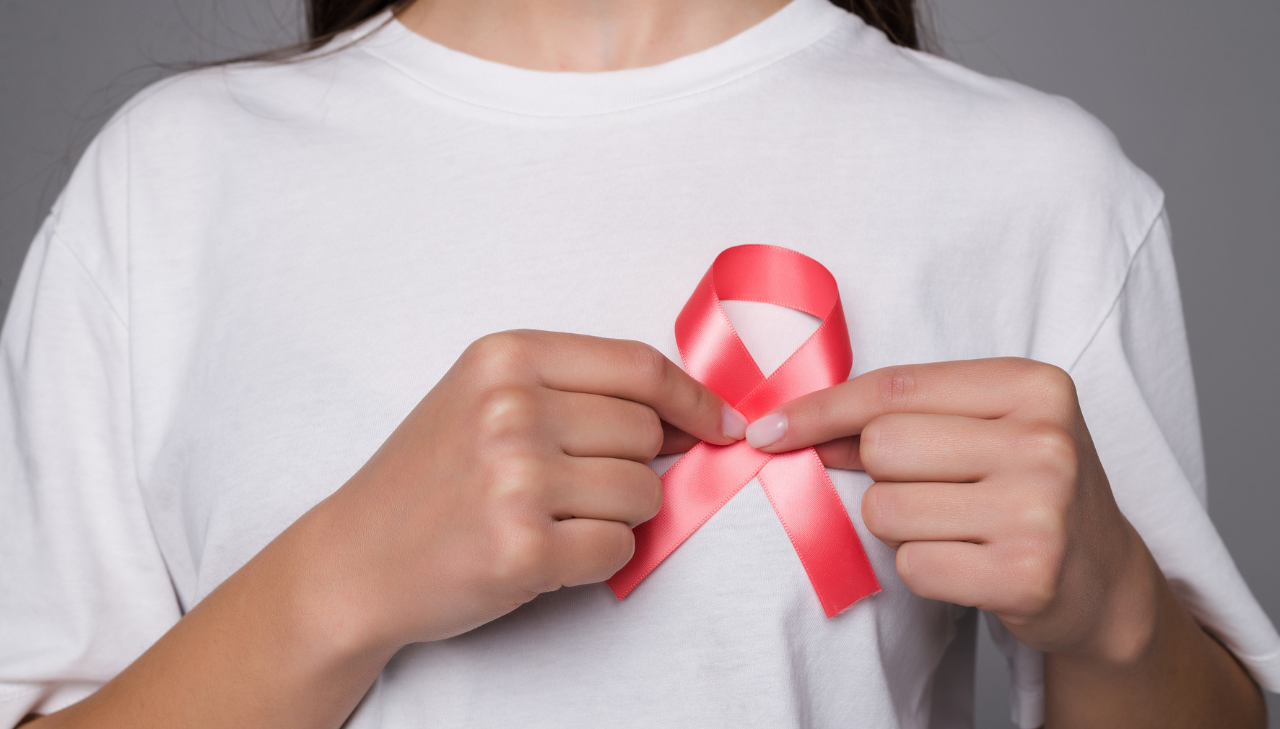
Breast Cancer: Early Signs, Risk Factors, Diagnosis and Treatment
Breast changes can be worrying. A new lump, breast pain, or a nipple change may make you think about breast cancer. However, not every breast change means cancer. Many breast lumps and other changes have non-cancerous causes.
Still, a new or unusual change should not be ignored. Seeing a doctor can help find the cause. If cancer is present, early diagnosis can help treatment begin sooner.
What Is Breast Cancer?
Breast cancer develops when abnormal cells in the breast grow in an uncontrolled way. These cells can form a tumour. In some cases, cancer can spread to nearby lymph nodes or other parts of the body.
Breast cancer can affect women at different ages. The risk usually increases with age, but younger women can also develop it. Knowing how your breasts normally look and feel can help you notice unusual changes.
Signs of Breast Cancer You Should Know
Breast cancer does not always cause symptoms in its early stages. Some cancers are found during screening before symptoms appear.
A New Lump
A new lump in the breast or armpit should be checked by a doctor. However, a lump does not always mean cancer. Cysts and other non-cancerous conditions can also cause lumps.
Change in Breast Size or Shape
A new or unusual change in the size or shape of one breast should be evaluated, especially if it does not go away.
Skin Changes
Possible breast changes include:
Dimpling or puckering
Redness
Swelling
Skin thickening
A change in skin texture
Orange-peel-like skin
These changes can have causes other than cancer, but persistent changes should be checked.
Nipple Changes
A newly inverted nipple may need evaluation. Nipple discharge that is not related to breastfeeding should also be checked, especially if it happens without squeezing the nipple or contains blood.
Breast Pain
Breast pain is common and is often linked to hormonal changes or other non-cancerous causes. Pain alone is not usually a sign of breast cancer. However, persistent pain or pain with a lump, swelling, skin change, or nipple change should be discussed with a doctor.
Also Read: Top Signs That You Should See a Gynecologist
What Increases the Risk of Breast Cancer?
There is no single cause of breast cancer. Several factors can affect a person's risk. Some risk factors cannot be changed, including:
Increasing age
Family history of breast cancer
Personal history of breast cancer
Certain inherited gene changes, such as BRCA1 and BRCA2
Some reproductive and hormonal factors
Lifestyle factors may also affect risk. These include physical inactivity, alcohol use, and excess body weight, especially after menopause. Having a risk factor does not mean you will develop breast cancer. Some women develop breast cancer without any known major risk factor.
Can Breast Cancer Be Prevented?
There is no guaranteed way to prevent breast cancer. However, healthy habits may help lower the risk. Regular physical activity, maintaining a healthy weight, and limiting alcohol can support overall health and may reduce breast cancer risk. If you have a strong family history of breast or ovarian cancer, speak with your doctor. You may need a personalised assessment of your breast cancer risk.
Why Is Breast Cancer Screening Important?
You should not wait for a lump or other symptom before thinking about breast health. Mammography is commonly used to screen for breast cancer. Screening can find some cancers before they cause noticeable symptoms. The right screening plan depends on factors such as your age, personal history, and risk level.
Women with a higher risk may need additional screening, such as breast MRI. Your doctor can help decide which screening schedule is suitable for you. It is also useful to know how your breasts normally look and feel. Tell your doctor about any new change, even if you recently had a normal screening test.
What Happens If You Find a Breast Lump?
First, do not panic. Most breast lumps are not cancer. Your doctor may ask about the lump, your symptoms, and your family history. A clinical breast examination may also be performed.
Depending on your age and the type of change, your doctor may recommend a mammogram or breast ultrasound. If an area looks suspicious, a biopsy may be needed. During a biopsy, a small tissue sample is taken and examined for cancer cells. An abnormal mammogram does not automatically mean that you have breast cancer. Further testing is often needed to find the cause.
How Is Breast Cancer Treated?
Treatment depends on the type and stage of breast cancer and other features of the tumour.
Treatment may include:
Surgery: Removes the cancer from the breast.
Radiation therapy: Uses radiation to destroy cancer cells.
Chemotherapy: Uses medicines to treat cancer cells.
Hormone therapy: Used for some hormone-sensitive cancers.
Targeted therapy: Used for cancers with certain features.
Immunotherapy: Used for some types of breast cancer.
Doctors may use one treatment or a combination of treatments. The treatment plan is chosen based on each patient's condition.
When Should You See a Gynecologist?
See a doctor or gynecologist if you notice:
A new breast or armpit lump
A sudden change in breast size or shape
Nipple discharge that is not breast milk
A newly inverted nipple
Skin dimpling or thickening
Persistent breast pain
Redness or swelling that does not improve
Most breast changes are not cancer. However, only a proper medical examination can identify the cause. For women seeking experienced gynaecological care, Dr. Yuvakshi Juneja is an experienced gynaecologist providing personalised care for women’s health concerns.
Final Thoughts
Breast cancer can be frightening, but early attention matters. A new lump, nipple change, skin change, swelling, or other unusual symptom should be evaluated by a doctor. Do not try to diagnose a breast change yourself. Many breast changes are not cancer, but timely medical advice can provide clarity and help treatment begin early when needed.
If you are looking for the Best Gynecologist in South Delhi, Dr. Yuvakshi Juneja offers experienced and personalised women's healthcare.
Disclaimer: This article is intended for general informational and educational purposes only. It is not a substitute for professional medical advice, diagnosis, or treatment. Please consult a qualified healthcare professional for advice based on your individual health needs.
FAQs
1. Does every breast lump mean breast cancer?
No. Non-cancerous conditions cause many breast lumps. However, a new lump should be checked by a doctor.
2. Can breast cancer occur without a lump?
Yes. Breast cancer does not always cause a lump. It can also cause changes in the skin, nipple, breast shape, or other symptoms. Some cancers may have no noticeable symptoms at first.
3. Is breast pain a sign of cancer?
Breast pain is common and often has causes other than cancer. Persistent pain or pain linked with another breast change should be evaluated.
4. Can younger women get breast cancer?
Yes. Although the risk generally increases with age, younger women can also develop breast cancer. Unusual breast changes should not be ignored because of age.
5. Does family history mean I will get breast cancer?
No. Family history can increase your risk, but it does not mean you will definitely develop breast cancer. Your doctor can help assess your individual risk.