Understanding Blocked Fallopian Tubes: Causes, Symptoms, and Treatment
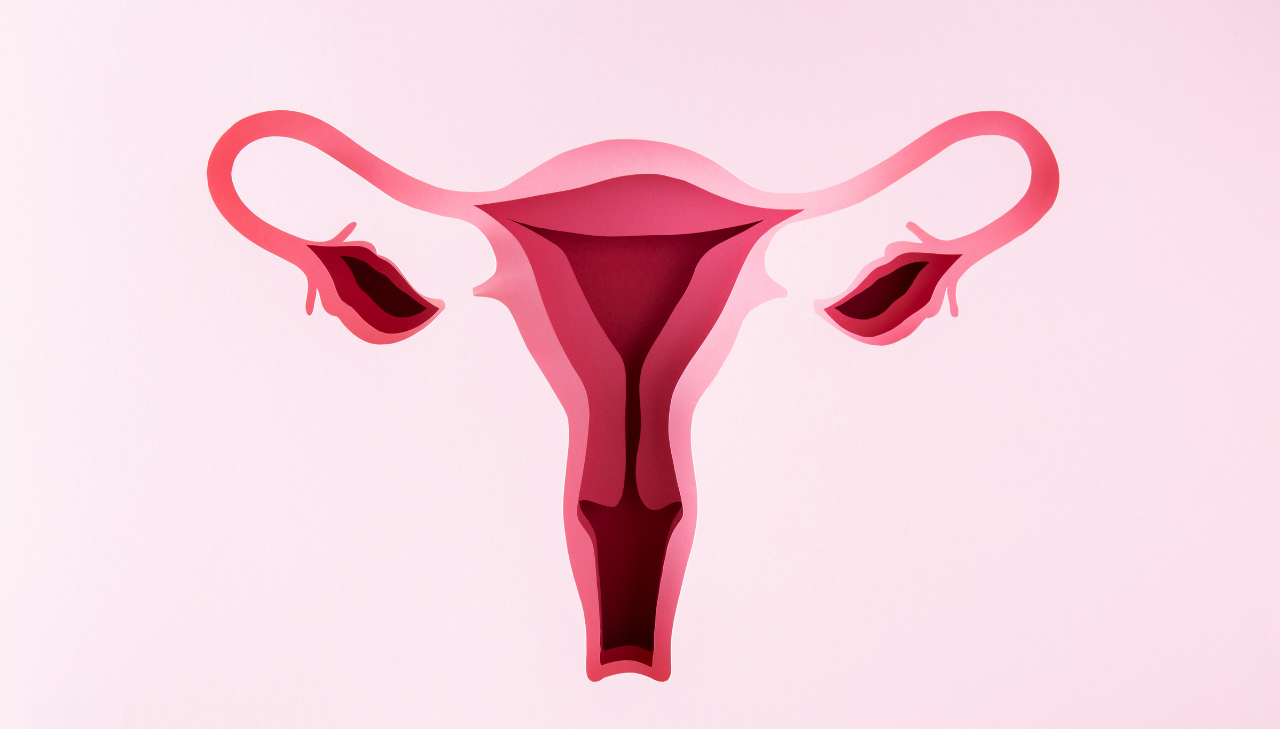
Blocked fallopian tubes can make it difficult to get pregnant. The fallopian tubes connect the ovaries to the uterus. They help the egg travel towards the uterus and provide the place where the egg and sperm may meet.
A blockage can affect one or both tubes. Some women do not have any clear symptoms. They may only find out about the blockage during a fertility checkup.
Knowing the causes, symptoms, tests, and treatment options can help you take the right step. If you are facing trouble getting pregnant, consulting the Best Gynecologist in South Delhi, Dr. Yuvakshi Juneja, can help you understand your condition and treatment choices.
What Are Fallopian Tubes?
Fallopian tubes are two narrow tubes in the female reproductive system. Each tube connects an ovary to the uterus. During ovulation, an ovary releases an egg. The egg enters a fallopian tube. If sperm reaches the egg, fertilisation can take place in the tube. The fertilised egg then travels to the uterus.
A blockage can stop the egg or sperm from moving through the tube. When both tubes are blocked, natural pregnancy becomes very difficult.
What Causes Blocked Fallopian Tubes?
Several conditions can cause damage or blockage in the fallopian tubes.
1. Pelvic Infections
Pelvic infections can cause swelling and scar tissue. Pelvic inflammatory disease (PID) is one possible cause of blocked tubes.
Some sexually transmitted infections, such as chlamydia and gonorrhoea, can lead to PID if they are not treated. The infection may damage the tubes over time.
2. Endometriosis
Endometriosis is a condition where tissue similar to the uterine lining grows outside the uterus. It can cause inflammation and scar tissue in the pelvis. This may affect the fallopian tubes and make it harder for the egg to travel through them.
3. Previous Pelvic Surgery
Surgery in the abdomen or pelvis can sometimes lead to scar tissue. This scar tissue is called adhesions. Adhesions may affect the position and movement of the fallopian tubes. In some cases, they can also cause a blockage.
4. Hydrosalpinx
Hydrosalpinx occurs when a fallopian tube becomes blocked and fills with fluid. It can reduce the chance of natural pregnancy. In some cases, it may also affect fertility treatment and may need treatment before IVF.
5. Pelvic Tuberculosis
Pelvic or genital tuberculosis can affect the reproductive organs. It may cause inflammation and scarring in the fallopian tubes. Severe tubal damage caused by tuberculosis can lead to infertility.
6. Previous Ectopic Pregnancy
An ectopic pregnancy occurs when a fertilised egg grows outside the uterus. It often develops in a fallopian tube. An ectopic pregnancy can damage the tube. In some cases, the affected tube may later become narrow or blocked.
What Are the Symptoms of Blocked Fallopian Tubes?
Blocked fallopian tubes often do not cause noticeable symptoms. A woman may have regular periods and still have a blocked tube. For many women, difficulty getting pregnant is the first sign.
Some women may have:
Pelvic or lower abdominal pain
Painful periods
Pain during sex
Unusual vaginal discharge
Symptoms of pelvic infection
Symptoms related to endometriosis
These symptoms do not confirm a blocked fallopian tube. Proper tests are needed to find the cause.
How Are Blocked Fallopian Tubes Diagnosed?
A gynecologist may suggest tests after checking your medical history and fertility concerns.
Hysterosalpingography (HSG)
HSG is a common test used to check if the fallopian tubes are open. During the test, a special dye is passed through the cervix into the uterus. X-ray images are then taken. If the dye passes through the tubes, they are likely open. If the dye cannot pass through a tube, a blockage may be present.
Ultrasound
An ultrasound checks the uterus, ovaries, and nearby organs. It may detect some problems, such as a fluid-filled tube. However, a regular ultrasound cannot find every type of tubal blockage.
Laparoscopy
Laparoscopy is a minimally invasive procedure. A small camera is used to look inside the abdomen. Laproscopic Surgeons can use this procedure to identify problems such as endometriosis, adhesions, and tubal damage. In some cases, surgeons can also perform treatment during the same procedure.
What Are the Treatment Options?
Treatment depends on the cause, location, and severity of the blockage. Your age and overall fertility health are also considered.
Tubal Cannulation
Tubal cannulation may help with some blockages near the uterus. A thin instrument is guided into the tube to try to open the blocked area. This treatment is not suitable for every type of blockage.
Laparoscopic Surgery
Laparoscopic surgery may be useful when scar tissue or adhesions affect the tubes. The surgeon may remove adhesions or treat the cause of the blockage. The aim is to improve tube function when possible.
Dr. Yuvakshi Juneja provides laparoscopic gynecological care for conditions that may affect female fertility. The right treatment depends on an individual assessment.
IVF Treatment
IVF may be recommended when both fallopian tubes are blocked or badly damaged. During IVF, the egg and sperm are brought together in a laboratory. Once an embryo develops, it is placed inside the uterus. Because fertilisation takes place outside the body, IVF can bypass blocked fallopian tubes.
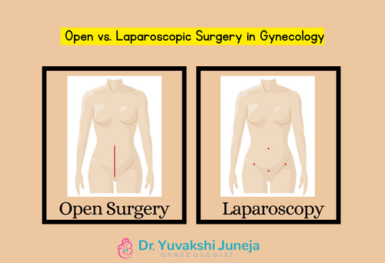
Also Read: Choosing the Right Path: Open vs. Laparoscopic Surgery in Gynecology
Can You Get Pregnant With a Blocked Fallopian Tube?
Yes, pregnancy may still be possible if one tube is blocked and the other tube is healthy. Your chances also depend on other factors. These include age, ovulation, egg health, sperm health, and the condition of the open tube. When both tubes are completely blocked, natural pregnancy is generally not possible. IVF may then be considered.
When Should You See a Gynecologist?
You should consider a fertility checkup if you have been trying to get pregnant without success. You should also speak with a doctor if you have had pelvic infections, endometriosis, ectopic pregnancy, pelvic surgery, or pelvic tuberculosis.
A Best Gynecologist in South Delhi can review your health history and suggest the right tests. Dr. Yuvakshi Juneja provides fertility evaluation, infertility care, and laparoscopic gynecological treatment. Early testing can help find the cause and guide treatment.
Final Thoughts
Blocked fallopian tubes can affect natural pregnancy. Many women, however, do not have clear symptoms. A fertility checkup can help identify the problem. Treatment depends on the condition of the tubes. Options may include tubal cannulation, laparoscopic surgery, or IVF.
If you are having difficulty getting pregnant, consult a qualified gynecologist. Proper testing can help find the cause and choose the right treatment.
Disclaimer: This article is intended for general informational and educational purposes only. It is not a substitute for professional medical advice, diagnosis, or treatment. Always consult a qualified and registered medical practitioner for personalized guidance based on your individual health needs and condition.
Frequently Asked Questions
1. What are the common signs of blocked fallopian tubes?
Many women have no symptoms. Difficulty getting pregnant may be the first sign. Some women may also have pelvic pain or painful periods.
2. What causes blocked fallopian tubes?
Common causes include pelvic infections, PID, endometriosis, adhesions, previous surgery, hydrosalpinx, pelvic tuberculosis, and ectopic pregnancy.
3. How can I check if my fallopian tubes are blocked?
Your doctor may suggest an HSG, ultrasound, or laparoscopy. The choice depends on your health and fertility history.
4. Can a blocked fallopian tube be opened?
Some blockages may be treated with tubal cannulation or laparoscopic surgery. The treatment depends on the type and location of the blockage.
5. Can I get pregnant with one blocked fallopian tube?
Yes. Pregnancy may still happen if the other tube is healthy. Other fertility factors also affect the chance of pregnancy.