Best Gynaecologist for Pelvic Pain in South Delhi
Pelvic pain is a common concern among women and can occur at different stages of life. It may feel like a dull ache, sharp cramps, pressure in the lower abdomen, or persistent discomfort around the reproductive organs. While occasional discomfort may be related to menstruation, recurring or severe pelvic pain should never be ignored.
Pelvic pain can be associated with several gynaecological conditions, including endometriosis, ovarian cysts, uterine fibroids, pelvic inflammatory disease, and adenomyosis. Identifying the underlying cause is essential for choosing the right treatment and preventing potential complications.
If you are searching for the best gynaecologist for pelvic pain in South Delhi, Dr. Yuvakshi Juneja is an experienced Senior Consultant Obstetrician and Gynaecologist with over 30 years of experience in women's healthcare. Her expertise includes managing pelvic pain, endometriosis, fibroids, ovarian cysts, infertility, and various other gynaecological conditions.
This article explains the common causes of pelvic pain, symptoms that require medical attention, diagnostic methods, and available treatment options.
What Is Pelvic Pain in Women?
Pelvic pain refers to discomfort or pain experienced in the lower abdomen, below the belly button and around the pelvic region. It may originate from the uterus, ovaries, fallopian tubes, bladder, bowel, pelvic muscles, or surrounding structures.
Pelvic pain can be classified into two main categories:
1. Acute Pelvic Pain
Acute pelvic pain develops suddenly and may last from a few minutes to several days. It can be associated with conditions such as ovarian cyst rupture, pelvic infections, ovarian torsion, or ectopic pregnancy.
Sudden or severe pelvic pain requires prompt medical evaluation.
2. Chronic Pelvic Pain
Chronic pelvic pain is generally defined as pain lasting for six months or longer. It may be continuous or intermittent and can interfere with daily activities, sleep, sexual health, and overall quality of life.
Women experiencing persistent pelvic discomfort should consult a qualified gynaecologist to identify the possible cause.
Common Causes of Pelvic Pain in Women
Pelvic pain can develop due to several reproductive and non-reproductive health conditions. An accurate diagnosis helps determine the most suitable treatment.
Some common causes include:
1. Endometriosis
Endometriosis is a condition in which tissue similar to the lining of the uterus grows outside the uterus, commonly affecting the ovaries, fallopian tubes, and surrounding pelvic structures.
It can cause:
Severe menstrual cramps.
Persistent pelvic pain.
Pain during or after sexual intercourse.
Pain during bowel movements or urination, particularly around menstruation.
Difficulty conceiving.
Endometriosis may require medical management, hormonal treatment, or surgery depending on its severity and the patient's reproductive goals. In selected cases, laparoscopic surgery in Delhi may be recommended to manage endometriosis and related complications.
2. Uterine Fibroids
Uterine fibroids are non-cancerous growths that develop in or around the uterus. Depending on their size and location, they may cause pressure or discomfort in the pelvic region.
Common symptoms include:
Heavy or prolonged menstrual bleeding.
Pelvic pressure or pain.
Lower back discomfort.
Frequent urination.
Abdominal fullness.
Reproductive or pregnancy-related concerns in some women.
Treatment depends on the size, location, symptoms, and individual health requirements.
3. Ovarian Cysts
Ovarian cysts are fluid-filled sacs that develop on or inside the ovaries. Many ovarian cysts are harmless and disappear without treatment.
However, some cysts may cause:
Pain on one side of the lower abdomen.
Pelvic pressure or heaviness.
Bloating.
Pain during sexual intercourse.
Irregular menstrual symptoms.
Sudden severe pain, particularly with nausea or vomiting, may indicate ovarian torsion or cyst rupture and requires emergency assessment.
4. Pelvic Inflammatory Disease (PID)
Pelvic inflammatory disease is an infection affecting the female reproductive organs, including the uterus, fallopian tubes, and ovaries.
It may develop due to certain bacterial infections and can cause:
Lower abdominal or pelvic pain.
Unusual vaginal discharge.
Fever or chills.
Pain during sexual intercourse.
Irregular bleeding.
Discomfort during urination.
Early diagnosis and appropriate antibiotic treatment are important to reduce the risk of complications, including damage to the fallopian tubes.
5. Adenomyosis
Adenomyosis occurs when tissue similar to the uterine lining grows into the muscular wall of the uterus.
Women with adenomyosis may experience:
Painful menstrual periods.
Heavy menstrual bleeding.
Chronic pelvic discomfort.
Abdominal pressure or tenderness.
An enlarged or tender uterus.
The treatment approach depends on symptom severity, age, and whether the woman wishes to conceive.
6. Pelvic Adhesions
Pelvic adhesions are bands of scar tissue that may develop following pelvic infections, endometriosis, or previous abdominal or pelvic surgery.
These adhesions may cause chronic pelvic discomfort in some women, although not all adhesions produce symptoms.
7. Urinary and Digestive Problems
Not all pelvic pain originates from the reproductive organs. Certain urinary and digestive conditions may also cause discomfort in the lower abdomen.
Examples include:
Urinary tract infections (UTIs).
Painful bladder syndrome.
Irritable bowel syndrome (IBS).
Constipation.
Other intestinal conditions.
A comprehensive evaluation helps determine whether the pain requires gynaecological treatment or assessment by another specialist.
Symptoms That Indicate You Should Consult a Gynaecologist
Pelvic pain can present differently depending on its underlying cause. Some women experience occasional discomfort, while others may have persistent pain that affects their everyday activities.
You should consider consulting a gynaecologist if you experience:
Recurrent pain in the lower abdomen.
Severe menstrual cramps that interfere with daily activities.
Pain during or after sexual intercourse.
Heavy or irregular menstrual bleeding.
Persistent lower back pain associated with pelvic discomfort.
Unusual vaginal discharge.
Pain during urination or bowel movements.
Difficulty conceiving along with pelvic pain.
Abdominal bloating or pelvic pressure.
When Is Pelvic Pain an Emergency?
Seek immediate medical attention if you experience sudden, severe pelvic pain, especially when accompanied by fever, repeated vomiting, fainting, heavy bleeding, or possible pregnancy.
Severe pain with dizziness or fainting during a possible pregnancy may indicate an ectopic pregnancy, which requires emergency care.
Do not delay medical evaluation when these warning signs occur.
How Is Pelvic Pain Diagnosed?
Identifying the exact cause of pelvic pain is important because different conditions require different treatment approaches.
Dr. Yuvakshi Juneja evaluates the patient's symptoms, medical history, menstrual patterns, and other relevant health factors before recommending further investigations.
Depending on the symptoms, the diagnostic process may include:
1. Medical History and Symptom Evaluation
The doctor may ask questions about:
When the pelvic pain started.
Whether the pain is continuous or intermittent.
Whether it becomes worse during menstruation.
Whether you experience pain during intercourse.
Previous pregnancies, surgeries, or pelvic infections.
Associated symptoms such as abnormal bleeding or unusual discharge.
Keeping a record of your pain, including its timing and severity, can help during consultation.
2. Pelvic Examination
A pelvic examination may be performed to assess the uterus, cervix, ovaries, and surrounding structures.
It can help identify tenderness, abnormal masses, or signs of infection.
3. Ultrasound Examination
Pelvic or transvaginal ultrasound may be recommended to examine the uterus and ovaries.
It can help identify:
Uterine fibroids.
Ovarian cysts.
Adenomyosis-related changes.
Certain signs of endometriosis.
Other structural abnormalities.
4. Blood and Urine Tests
Depending on your symptoms, the doctor may recommend blood investigations, urine tests, pregnancy testing, or tests for infections.
5. Further Diagnostic Procedures
In selected cases, additional investigations may be necessary.
These may include:
MRI of the pelvis.
Laparoscopy.
Other specialist investigations based on suspected causes.
Not every patient requires all these tests. The investigations are selected according to individual symptoms and examination findings.
Treatment Options for Pelvic Pain in Women
The treatment of pelvic pain depends on the underlying cause, severity of symptoms, age, medical history, and reproductive goals.
There is no single treatment suitable for every woman. A personalized treatment plan helps address the condition responsible for the discomfort.
1. Medication and Pain Management
Depending on the diagnosis, the doctor may recommend pain-relieving or anti-inflammatory medications to manage discomfort.
Hormonal medications may also be considered for certain conditions, including endometriosis and painful periods.
If an infection is responsible for pelvic pain, appropriate antibiotics may be prescribed.
2. Hormonal Treatment
Hormonal treatment may help manage symptoms associated with conditions such as endometriosis, adenomyosis, and menstrual disorders.
Treatment options depend on the patient's medical history and whether pregnancy is planned.
3. Laparoscopic Surgery
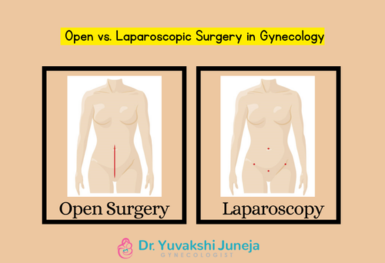
Laparoscopy is a minimally invasive surgical technique that uses a thin camera and specialized instruments inserted through small abdominal incisions.
Depending on the diagnosis, laparoscopic surgery may be used for:
Treatment of endometriosis.
Removal of selected ovarian cysts.
Removal of uterine fibroids.
Treatment of certain pelvic adhesions.
Evaluation of unexplained pelvic pain in selected patients.
Dr. Yuvakshi Juneja has expertise in minimally invasive gynaecological procedures. Learn more about laparoscopic surgery and its benefits.
4. Treatment of Underlying Infections
If pelvic pain is caused by pelvic inflammatory disease or another infection, timely antibiotic treatment is important.
The treatment may also involve evaluation and management of sexual partners when indicated.
5. Pelvic Floor Physiotherapy
In some women, pelvic floor muscle tension or dysfunction may contribute to chronic pelvic pain.
Pelvic floor physiotherapy can help improve muscle function, reduce discomfort, and support better pelvic health.
Depending on the condition, a multidisciplinary treatment approach may be recommended.
When Does Pelvic Pain Affect Fertility?
Pelvic pain does not always indicate a fertility problem. However, certain conditions associated with pelvic pain may affect a woman's ability to conceive.
These include:
Endometriosis: May affect the ovaries, fallopian tubes, and surrounding pelvic structures.
Pelvic Inflammatory Disease: Can cause inflammation and scarring in the fallopian tubes.
Pelvic Adhesions: May affect the normal functioning of reproductive organs.
Ovarian Conditions: Certain ovarian cysts or associated conditions may influence reproductive health.
Women experiencing pelvic pain along with difficulty conceiving should undergo an appropriate fertility evaluation.
Dr. Yuvakshi Juneja also provides guidance for women experiencing fertility concerns. Explore available infertility treatment in Delhi to understand the evaluation and treatment options.
Why Choose Dr. Yuvakshi Juneja for Pelvic Pain Treatment in South Delhi?
Choosing an experienced gynaecologist is important when dealing with recurring or unexplained pelvic pain.
Dr. Yuvakshi Juneja is a Senior Consultant Obstetrician and Gynaecologist with over 30 years of experience in women's healthcare.
Her clinical expertise includes managing pelvic pain, endometriosis, fibroids, ovarian cysts, infertility, and other gynaecological conditions.
Here are some reasons to consider consulting Dr. Yuvakshi Juneja:
1. Over 30 Years of Gynaecological Experience
With more than three decades of experience in Obstetrics and Gynaecology, Dr. Juneja has extensive experience in evaluating and managing various women's health concerns.
2. Expertise in Endometriosis Management
Endometriosis is an important cause of chronic pelvic pain and may require medical or surgical management.
Dr. Juneja has experience in managing endometriosis and performing relevant gynaecological surgical procedures.
3. Experience in Minimally Invasive Surgery
Her expertise includes laparoscopic procedures such as hysterectomy, myomectomy, and ovarian cystectomy, as well as hysteroscopic surgery.
The appropriate surgical approach is determined after evaluating the patient's condition and treatment requirements.
4. Personalized Treatment Approach
Every woman's symptoms and medical needs are different. Treatment recommendations are based on individual diagnosis, medical history, symptom severity, and reproductive goals.
5. Comprehensive Women's Healthcare
In addition to pelvic pain management, Dr. Juneja provides consultation for infertility, PCOD, menstrual disorders, pregnancy, high-risk pregnancy, and menopause-related concerns.
To learn more about her qualifications, professional experience, and expertise in women's healthcare, visit the Dr. Yuvakshi Juneja profile.
Frequently Asked Questions About Pelvic Pain
1. Which doctor should I consult for pelvic pain?
A gynaecologist is an appropriate first point of consultation for pelvic pain that may be related to the uterus, ovaries, fallopian tubes, or other reproductive organs. If the cause is urinary, digestive, or musculoskeletal, additional specialist evaluation may be required.
2. What is the most common cause of pelvic pain in women?
Common causes include painful periods, endometriosis, ovarian cysts, uterine fibroids, adenomyosis, and pelvic inflammatory disease. The exact cause varies from person to person.
3. Can endometriosis cause chronic pelvic pain?
Yes. Endometriosis can cause recurring or persistent pelvic pain, painful periods, pain during intercourse, and discomfort during bowel movements or urination.
4. Can ovarian cysts cause pelvic pain?
Yes. Some ovarian cysts cause pelvic pressure, bloating, and pain on one side of the lower abdomen. Sudden severe pain may indicate a complication and requires urgent medical attention.
5. Is pelvic pain related to infertility?
Certain conditions associated with pelvic pain, such as endometriosis and pelvic inflammatory disease, may affect fertility. However, pelvic pain does not automatically mean that a woman will have difficulty conceiving.
6. Can pelvic pain be treated without surgery?
Yes. Many cases of pelvic pain can be managed with medication, hormonal treatment, antibiotics, or pelvic floor physiotherapy, depending on the underlying cause. Surgery is considered only when medically appropriate.
Book a Consultation with Dr. Yuvakshi Juneja for Pelvic Pain
Persistent pelvic pain should not be considered a normal part of menstruation or something you simply have to tolerate. It may be associated with an underlying gynaecological, urinary, digestive, or muscular condition that requires proper evaluation.
If you are experiencing recurring lower abdominal pain, painful periods, discomfort during intercourse, or other unusual symptoms, consulting an experienced gynaecologist can help identify the cause and determine the appropriate treatment.
Dr. Yuvakshi Juneja, with over 30 years of experience in Obstetrics and Gynaecology, offers personalized evaluation and treatment guidance for women experiencing pelvic pain and related reproductive health concerns.