Best Gynaecologist for Menstrual Pain: Causes, Diagnosis and Treatment
Menstrual pain is a common experience for many women, but when cramps become severe, recurring or interfere with daily activities, it may be time to seek medical advice. Period pain can range from mild abdominal discomfort to intense cramps accompanied by back pain, nausea or fatigue.
Although mild menstrual cramps are often part of the normal menstrual cycle, persistent or severe pain may sometimes be associated with underlying gynaecological conditions. Consulting the best gynaecologist for menstrual pain in Delhi can help women understand the reason behind their discomfort and explore appropriate treatment options.
Whether menstrual pain affects your work, sleep or daily routine, understanding its causes and knowing when to seek professional guidance can make managing symptoms easier.
In this guide, we discuss the causes of menstrual pain, symptoms that should not be ignored, treatment options and when to consult a gynaecologist.
What Is Menstrual Pain?
Menstrual pain, medically known as dysmenorrhea, refers to cramping or discomfort experienced before or during menstruation. It usually occurs when the uterus contracts to shed its lining. These contractions are influenced by prostaglandins, which can contribute to the intensity of period cramps.
There are two main types of menstrual pain:
Primary dysmenorrhea: Menstrual cramps that occur without an underlying reproductive health condition. These cramps commonly begin around the start of menstruation and may last for a few days.
Secondary dysmenorrhea: Menstrual pain caused by an underlying condition such as endometriosis, adenomyosis or uterine fibroids.
The type, intensity and duration of menstrual pain can help a gynaecologist understand whether further evaluation is required.
Common Symptoms of Menstrual Pain
Menstrual pain may affect women differently. Some experience mild cramps, while others may have discomfort that makes everyday activities difficult. Common symptoms include:
Cramping or throbbing pain in the lower abdomen
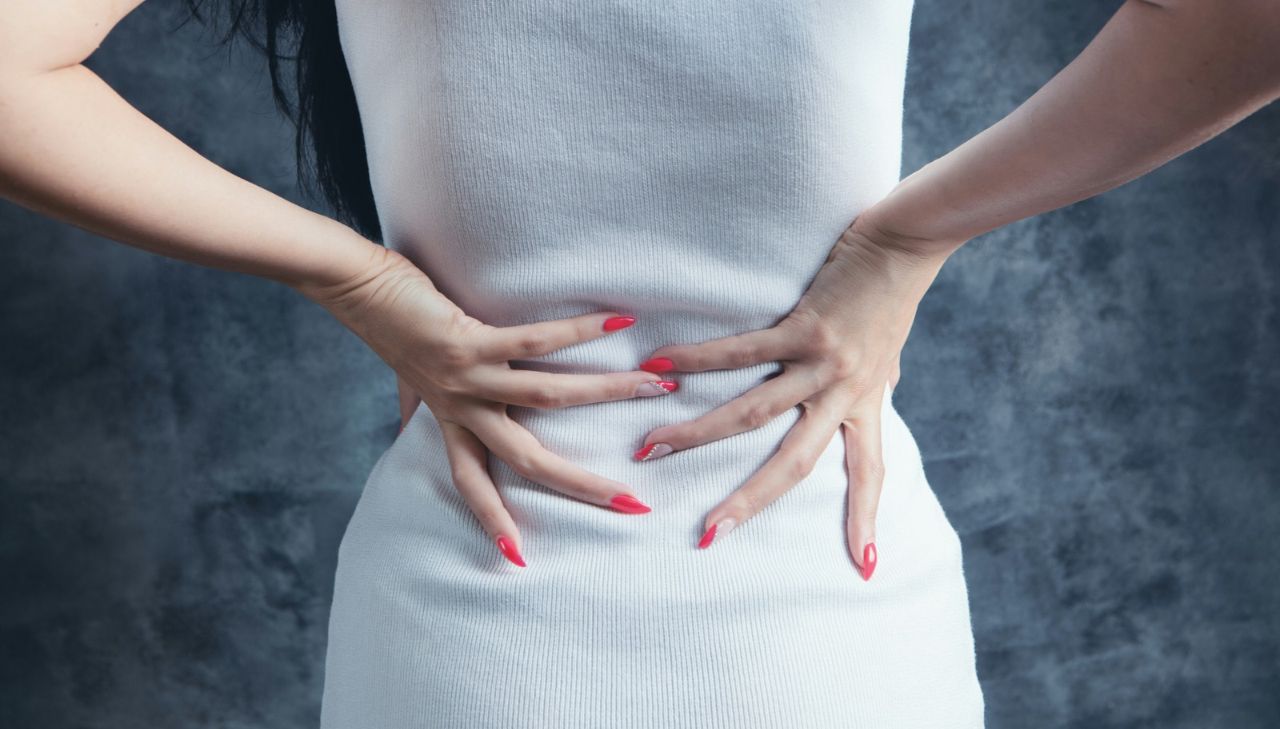
Lower back pain during menstruation
Pain that spreads to the thighs
Nausea or vomiting
Headaches
Diarrhoea or constipation
Fatigue and weakness
These symptoms may occur during menstruation. However, if the pain is severe, persistent or becoming more intense over time, it is important to seek medical advice.
When Should You Consult a Gynaecologist for Menstrual Pain?
Period cramps may sometimes be manageable at home, but certain symptoms may indicate the need for a gynaecological consultation.
Consider seeking medical advice if:
Menstrual cramps interfere with your daily routine.
Period pain becomes progressively worse.
Pain continues after menstruation ends.
You experience heavy or prolonged menstrual bleeding.
You experience pain during intercourse.
Pain-relief measures no longer provide adequate relief.
You experience sudden or unusually severe pelvic pain.
Recurring menstrual pain should not always be considered normal. A gynaecologist can evaluate your symptoms and determine whether an underlying condition may be responsible.
If you also experience discomfort outside your menstrual cycle, read about pelvic pain in women, its causes and treatment.
What Conditions Can Cause Severe Menstrual Pain?
Severe period cramps may sometimes be associated with conditions affecting the uterus or other reproductive organs.
1. Endometriosis
Endometriosis occurs when tissue similar to the lining of the uterus grows outside the uterus. It can cause painful periods, pelvic discomfort, pain during intercourse and sometimes difficulties with fertility.
Women experiencing recurring menstrual pain may benefit from evaluation for endometriosis, particularly when symptoms interfere with everyday activities.
2. Adenomyosis
Adenomyosis occurs when tissue similar to the uterine lining grows into the muscular wall of the uterus. It may cause painful periods, heavy bleeding, pelvic discomfort and an enlarged uterus in some cases.
Read more about adenomyosis treatment in Delhi: diagnosis and available options.
3. Uterine Fibroids
Uterine fibroids are non-cancerous growths that develop in or around the uterus. Depending on their size and location, they may cause heavy menstrual bleeding, period pain, pelvic pressure or discomfort.
4. Pelvic Inflammatory Disease
Pelvic inflammatory disease is an infection affecting the reproductive organs. It may cause pelvic pain, unusual vaginal discharge, fever and discomfort during intercourse. Medical evaluation and timely treatment are important to reduce the risk of complications.
How Is Menstrual Pain Diagnosed?
A gynaecologist may recommend different evaluations depending on the symptoms and medical history. The diagnosis may involve:
Medical history: Discussing your menstrual cycle, pain intensity, duration of symptoms, bleeding pattern and previous health concerns.
Gynaecological examination: A physical examination may be recommended when clinically appropriate.
Ultrasound: Pelvic ultrasound may help identify uterine fibroids, ovarian cysts or other abnormalities.
Additional investigations: Depending on the symptoms, further tests may be recommended to evaluate suspected underlying conditions.
Not every woman experiencing period pain requires the same tests. The evaluation depends on individual symptoms and clinical findings.
Treatment Options for Menstrual Pain
Treatment for menstrual pain depends on the cause, severity and how symptoms affect everyday life. A gynaecologist may recommend the following approaches.
1. Pain-relieving medications
Certain pain-relieving medicines may help reduce menstrual cramps by controlling the chemicals responsible for uterine contractions. The choice of medication depends on the patient's medical history and suitability.
2. Hormonal treatment
Hormonal medications may help regulate menstrual cycles, reduce bleeding and manage cramps in selected patients. Your doctor may discuss suitable options based on your symptoms and health needs.
3. Treatment for underlying conditions
If menstrual pain is caused by endometriosis, adenomyosis or uterine fibroids, treatment may focus on managing the underlying condition. The approach may involve medications, monitoring or other medical interventions.
4. Lifestyle and supportive measures
Regular exercise, adequate sleep, relaxation techniques and applying heat to the lower abdomen may help reduce menstrual discomfort for some women.
Treatment should be discussed with a gynaecologist rather than relying on repeated self-medication.
How to Manage Menstrual Pain at Home?
Along with medical advice, certain measures may help relieve mild menstrual cramps and improve comfort during periods.
Apply heat: A heating pad or warm compress on the lower abdomen may help relax muscles and ease cramps.
Stay physically active: Gentle walking, stretching or light exercise may help some women manage menstrual discomfort.
Maintain hydration: Drinking enough water supports overall health and may help with some period-related discomfort.
Get adequate rest: Sleep and relaxation can help manage fatigue during menstruation.
Practise relaxation techniques: Breathing exercises and gentle yoga may help improve comfort and manage stress.
These measures may help with mild cramps, but persistent or severe pain should be evaluated by a healthcare professional.
Where to Consult for Menstrual Pain in Delhi?
When period pain becomes severe, recurring or difficult to manage, consulting an experienced gynaecologist can help identify the cause and determine an appropriate treatment plan.
At Dr. Yuvakshi Juneja Clinic, women can seek consultation for menstrual concerns, painful periods and other gynaecological conditions. Dr. Yuvakshi Juneja is a Senior Consultant Obstetrician and Gynaecologist with over 30 years of experience in women's healthcare.
Women experiencing menstrual pain can discuss their symptoms, menstrual history, previous reports and treatment concerns during consultation. The recommended approach depends on the underlying cause, severity of symptoms and individual health needs.
If you are looking for the Best Gynaecologist in South Delhi, you can visit the clinic's website to learn more about the doctor's experience and consultation services.
Frequently Asked Questions (FAQs)
1. Who should I consult for severe menstrual pain?
A gynaecologist can evaluate severe menstrual pain, identify possible underlying causes and recommend suitable treatment based on your symptoms and medical history.
2. Is severe period pain normal?
Mild cramps are common during menstruation. However, severe pain that affects daily activities, worsens over time or continues beyond your period should be evaluated by a gynaecologist.
3. Can endometriosis cause painful periods?
Yes, endometriosis can cause severe menstrual cramps, pelvic pain and discomfort during intercourse. It may also cause pain during bowel movements or urination.
4. Can menstrual pain be treated without surgery?
Many cases of menstrual pain can be managed with medications, hormonal treatment or supportive measures without surgery. However, treatment depends on the underlying cause and severity of symptoms.
5. When should I seek medical help for menstrual cramps?
You should seek medical advice if cramps are severe, interfere with daily activities, become progressively worse or are accompanied by unusually heavy bleeding or other concerning symptoms.
6. Can lifestyle changes help reduce menstrual pain?
Regular physical activity, adequate sleep, relaxation techniques and applying heat to the lower abdomen may help reduce menstrual discomfort for some women.