Adenomyosis Treatment in Delhi: Diagnosis and Available Options
Adenomyosis is a gynaecological condition that can cause heavy menstrual bleeding, painful periods, pelvic discomfort, and sometimes an enlarged uterus. Many women experience severe period pain or excessive bleeding for months without realising that an underlying uterine condition may be responsible.
When menstrual pain starts affecting your daily routine, work, sleep, or overall well-being, it is important not to ignore it. Understanding the symptoms of adenomyosis and seeking timely medical advice can help you manage the condition more effectively.
If you are looking for adenomyosis treatment in Delhi, understanding how the condition is diagnosed, what treatment options are available, and when surgery may be required can help you make informed decisions about your health.
This guide explains adenomyosis, its symptoms, diagnosis, medical treatment, surgical options, and when you should consult a gynaecologist at a trusted Gynecology Clinic.
What Is Adenomyosis?
Adenomyosis is a condition in which tissue similar to the lining of the uterus grows within the muscular wall of the uterus. This can cause the uterine muscle to become thicker and sometimes enlarged, leading to painful periods, heavy bleeding, and pelvic discomfort.
The condition may affect women during their reproductive years. Some women experience mild symptoms, while others may have severe menstrual pain and prolonged bleeding that interferes with everyday activities.
Adenomyosis is different from endometriosis. In adenomyosis, tissue grows within the muscular wall of the uterus, whereas in endometriosis, similar tissue grows outside the uterus.
Symptoms of Adenomyosis
Adenomyosis symptoms can vary from woman to woman. Some women may not experience noticeable symptoms, while others may have discomfort that worsens over time.
Common symptoms include:
Heavy menstrual bleeding
Painful periods or severe menstrual cramps
Periods lasting longer than usual
Pelvic pain or pressure
Abdominal bloating or heaviness
Pain during or after sexual intercourse
Weakness and tiredness due to excessive bleeding
Difficulty managing daily activities during menstruation
Heavy menstrual bleeding may sometimes cause iron deficiency or anaemia, leading to fatigue, dizziness, and reduced energy.
If your periods are becoming increasingly painful or heavy, a gynaecological evaluation can help determine whether adenomyosis or another condition is responsible.
What Causes Adenomyosis?
The exact cause of adenomyosis is not fully understood. Researchers believe that hormonal changes and changes in uterine tissue may contribute to its development.
Some factors that may be associated with adenomyosis include:
Hormonal changes, particularly involving estrogen
Changes in the uterine lining and muscular wall
Previous uterine procedures in some women
Reproductive and uterine tissue-related factors
Adenomyosis is not caused by poor menstrual hygiene. It is a medical condition that requires evaluation when symptoms are present.
How Is Adenomyosis Diagnosed in Delhi?
A proper diagnosis is important because adenomyosis can cause symptoms similar to other gynaecological conditions, including uterine fibroids and endometriosis.
During your consultation, the gynaecologist may ask about your menstrual history, bleeding pattern, pain levels, previous medical conditions, pregnancy history, and other symptoms.
Depending on your condition, the following diagnostic tests may be recommended.
1. Pelvic Examination
A pelvic examination may help the doctor assess the size, tenderness, and shape of the uterus.
In some women with adenomyosis, the uterus may feel enlarged or tender. However, a pelvic examination alone cannot confirm adenomyosis.
2. Ultrasound
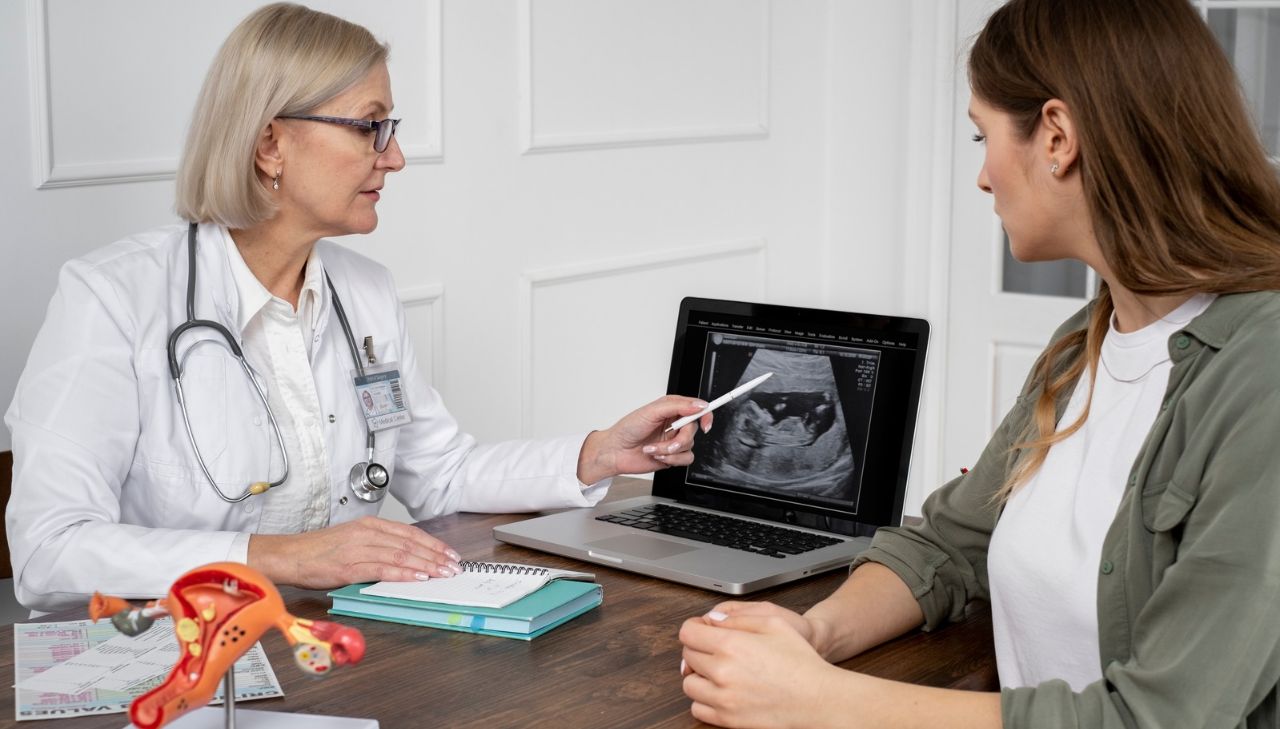
Ultrasound is commonly the first imaging test recommended when adenomyosis is suspected.
A transvaginal ultrasound may provide a detailed view of the uterus and help identify changes in the uterine muscle that may suggest adenomyosis. It can also help evaluate other conditions, such as fibroids or ovarian abnormalities.
3. MRI Scan
An MRI may be recommended if ultrasound findings are unclear or if the doctor needs more detailed information about the extent of adenomyosis.
MRI can help assess the uterine muscle and distinguish adenomyosis from other pelvic conditions when further evaluation is needed.
4. Blood Tests
Blood tests may be recommended if you have heavy menstrual bleeding or symptoms of anaemia.
These tests may help evaluate haemoglobin and iron levels. Thyroid tests or other investigations may also be suggested depending on your symptoms.
Diagnosis usually involves a combination of symptoms, clinical evaluation, and imaging findings. Ultrasound is generally the first-line imaging test, while MRI may be used when further assessment is required.
Adenomyosis Treatment in Delhi: Available Options
The treatment for adenomyosis depends on the severity of symptoms, age, overall health, and whether you wish to have children in the future.
Not every woman with adenomyosis requires surgery. Many women can manage their symptoms with medicines or other non-surgical treatments. The treatment plan is personalized according to individual needs.
1. Pain-Relief Medicines
Pain-relief medicines may help manage menstrual cramps and pelvic discomfort associated with adenomyosis.
These medicines may reduce inflammation and help women feel more comfortable during their periods. Your doctor will recommend suitable medication depending on your symptoms, medical history, and other health factors.
2. Hormonal Treatment
Hormonal treatment may help reduce heavy menstrual bleeding, painful periods, and other symptoms associated with adenomyosis.
Depending on your condition, treatment may include hormonal contraceptive medicines, progesterone-based treatment, or other suitable hormonal options. These treatments may help regulate or suppress menstruation and reduce symptoms.
Hormonal treatment is not suitable for every woman. Your gynaecologist will consider your medical history, possible side effects, and pregnancy plans before recommending it.
3. Hormonal Intrauterine Device (IUD)
A hormonal intrauterine device may be recommended for some women with adenomyosis.
It releases a hormone locally within the uterus and may help reduce heavy menstrual bleeding and painful periods. It may be a suitable option for women who want long-term symptom management, depending on their health condition and individual needs.
4. Medicines to Control Heavy Bleeding
If heavy menstrual bleeding is one of your main symptoms, your doctor may recommend medicines that help reduce blood loss during menstruation.
The choice of medicine depends on your bleeding pattern, medical history, and whether you have other conditions that need to be considered.
5. Treatment for Anaemia
Women with adenomyosis may develop iron deficiency or anaemia because of prolonged or heavy periods.
If blood tests show low iron or haemoglobin levels, iron supplements may be recommended. Treating anaemia can help improve fatigue, weakness, dizziness, and low energy.
6. Uterine Artery Embolisation
Uterine artery embolisation is a procedure that reduces blood supply to the uterus and may help improve symptoms in selected women with adenomyosis.
It may be considered in certain cases when symptoms are not adequately controlled with medicines. The suitability of this procedure depends on the type and extent of adenomyosis, overall health, and reproductive goals.
7. Surgical Treatment
Surgery may be considered when adenomyosis causes severe symptoms that do not improve with medicines or other treatments.
Depending on the condition, a specialist may discuss procedures to remove localised adenomyosis while preserving the uterus in selected patients.
A hysterectomy, which involves removing the uterus, is a definitive treatment for adenomyosis. It is generally considered for women who have completed their family or do not wish to have future pregnancies and whose symptoms significantly affect their quality of life.
The choice of treatment should always be made after a detailed medical evaluation and discussion of the benefits, risks, and future fertility considerations.
Can Adenomyosis Be Treated Without Surgery?
Yes. Many women with adenomyosis can manage their symptoms without surgery.
Treatment may include pain-relief medicines, hormonal treatment, a hormonal IUD, or other medical options depending on the severity of the condition.
If your main symptoms are heavy periods and painful cramps, your gynaecologist may recommend treatment to reduce bleeding and relieve pain. Regular follow-ups can help determine whether the treatment is working or needs to be changed.
Surgery is generally considered when symptoms are severe, medical treatment is not providing enough relief, or there are other medical reasons to consider an intervention.
If you wish to preserve your uterus or plan a pregnancy in the future, it is important to discuss this before starting treatment.
Can Adenomyosis Affect Fertility and Pregnancy?
Adenomyosis may affect fertility in some women. It has also been associated with certain pregnancy complications, although not every woman with adenomyosis will experience fertility problems or complications.
Women who are planning a pregnancy and have been diagnosed with adenomyosis should discuss their condition with a gynaecologist.
Depending on their symptoms and reproductive plans, the doctor may recommend further evaluation or an individualised treatment approach.
Having adenomyosis does not mean you cannot become pregnant. The right medical guidance can help you understand your reproductive health and available options.
Adenomyosis vs. Endometriosis: What Is the Difference?
Adenomyosis and endometriosis are two different gynaecological conditions. Both may cause painful periods and pelvic discomfort, but they affect different parts of the reproductive system.
Both conditions may require medical evaluation, and some women may have both at the same time.
When Should You Consult a Gynaecologist?
You should consider consulting a gynaecologist if you experience:
Severe period pain that affects your daily activities
Heavy menstrual bleeding every month
Pelvic pain that continues even after your periods
Pain during sexual intercourse
Periods that are becoming increasingly painful
Weakness, tiredness, or dizziness due to excessive bleeding
Difficulty conceiving along with menstrual symptoms
Persistent or worsening symptoms should not be ignored. Early evaluation can help identify the cause and prevent unnecessary discomfort.
If you are experiencing pelvic pain, you may also read our guide on Pelvic Pain in Women: Causes and Treatment.
How to Manage Adenomyosis Symptoms at Home
While home care cannot cure adenomyosis, some simple measures may help you manage discomfort and support your overall well-being.
Use a heating pad: Applying gentle heat to the lower abdomen may help relieve menstrual cramps.
Stay physically active: Gentle walking, stretching, or light exercise may help improve comfort.
Eat balanced meals: Include nutritious foods, especially iron-rich foods if you experience heavy bleeding.
Get adequate rest: Proper sleep and rest may help you manage fatigue and discomfort.
Track your symptoms: Keep a record of your periods, pain levels, bleeding, and other symptoms.
Avoid self-medication: Always consult your doctor before taking medicines for severe pain or heavy bleeding.
These measures may provide temporary relief, but medical treatment may still be necessary to manage adenomyosis effectively.
Adenomyosis Treatment in Delhi – Consult Dr. Yuvakshi Juneja
Adenomyosis can affect women differently. While some may experience mild symptoms, others may struggle with heavy periods, severe cramps, pelvic pain, or fertility-related concerns.
At Dr. Yuvakshi Juneja clinic, women can seek gynaecological consultation for adenomyosis, menstrual problems, hormonal conditions, pelvic pain, and other women's health concerns. If you are searching for a trusted Gynecology Clinic in Delhi, seeking timely evaluation can help you understand your condition and available treatment options.
A consultation can help you understand your symptoms, undergo the appropriate evaluation, and explore treatment options according to your individual needs.
If you are experiencing persistent period pain, heavy bleeding, or other symptoms of adenomyosis, timely medical advice can help you manage the condition and improve your quality of life.
Frequently Asked Questions (FAQs)
1. What is the best treatment for adenomyosis?
The best treatment depends on the severity of symptoms, age, overall health, and future pregnancy plans. Options may include pain-relief medicines, hormonal treatment, a hormonal IUD, other procedures, or surgery in selected cases.
2. Can adenomyosis be cured permanently?
A hysterectomy, which involves removing the uterus, is the definitive treatment for adenomyosis. However, many women do not require surgery and can manage their symptoms with medical treatment.
3. Is adenomyosis a serious condition?
Adenomyosis is generally a benign condition, but it can cause severe pain, heavy bleeding, anaemia, and reduced quality of life. Persistent symptoms should be evaluated by a gynaecologist.
4. Can adenomyosis be diagnosed through ultrasound?
Yes. Ultrasound, particularly transvaginal ultrasound when appropriate, is commonly used to identify features of adenomyosis. MRI may be recommended if the ultrasound findings are unclear or more detailed evaluation is needed.
5. Does adenomyosis cause heavy periods?
Yes. Adenomyosis may cause heavy menstrual bleeding, prolonged periods, painful cramps, and pelvic discomfort. Some women may also develop anemia due to repeated blood loss.