Adenomyosis: Symptoms, Causes and Treatment Options
Periods can be painful, but severe cramps or very heavy bleeding should not always be ignored. These symptoms may sometimes be linked to a condition called adenomyosis. It affects the uterus and can cause pain, heavy periods, and pelvic discomfort.
Knowing the common signs can help you understand when it may be time to speak with a gynaecologist for proper evaluation.
What Is Adenomyosis?
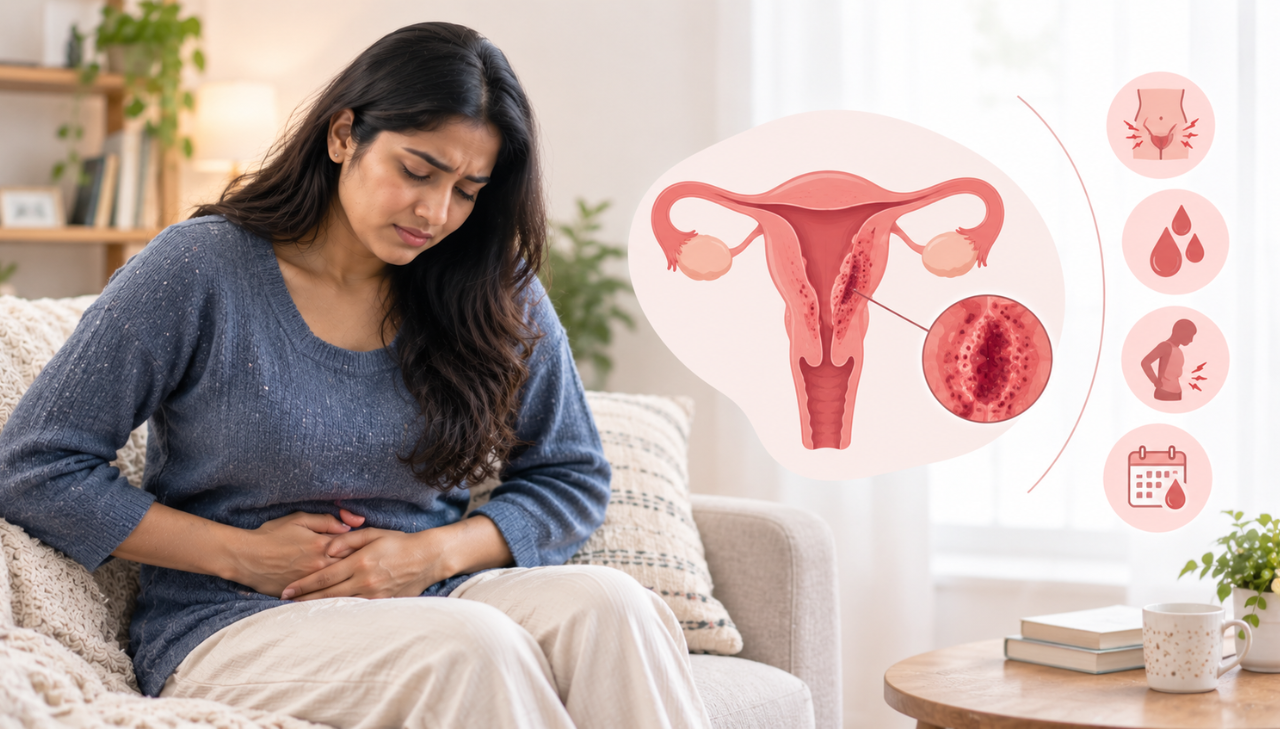
Adenomyosis is a condition in which tissue similar to the lining of the uterus grows into the muscular wall of the uterus. This can make the uterine wall thicker and may cause the uterus to become enlarged.
Some women may have no symptoms. Others may have painful periods, heavy bleeding, or pain in the lower abdomen. The symptoms can also become worse over time. Adenomyosis is not the same as endometriosis. Adenomyosis affects the muscle of the uterus, while endometriosis usually involves similar tissue growing outside the uterus.
Common Symptoms of Adenomyosis
The symptoms can be different for each woman. Some of the most common adenomyosis symptoms include:
Heavy menstrual bleeding
Periods that last longer than usual
Strong or painful period cramps
Pelvic pain or pressure
Pain during intimacy
Bloating or a feeling of fullness in the lower abdomen
Tiredness caused by heavy blood loss
Some women may have mild symptoms, while others may find that the pain affects work, sleep, or daily activities. Heavy bleeding can also cause anaemia. This may lead to weakness, tiredness, or shortness of breath.
What Causes Adenomyosis?
The exact adenomyosis causes are not fully known. Doctors believe that hormones may play an important role because the condition is linked to changes in the uterine lining and muscle.
It is more often found in women who have had children or certain procedures involving the uterus. However, adenomyosis can affect women at different ages. Since the exact cause is still unclear, there is no proven way to prevent the condition completely.
How Is Adenomyosis Diagnosed?
Your doctor will first ask about your periods, pain, bleeding, and medical history. A pelvic examination may also be done. An ultrasound is often used to look at the uterus and check for changes linked to adenomyosis. In some cases, an MRI may be advised to get a clearer view.
The symptoms can be similar to fibroids or endometriosis. This is why proper diagnosis is important before starting treatment.
Also Read: 10 Common Causes of Irregular Periods & How to Manage Them
Adenomyosis Treatment Options
Treatment depends on the severity of symptoms, your age, overall health, and whether you want to have children in the future.
Medicines
Pain medicines may help reduce cramps and pelvic pain. Hormonal medicines may also help control heavy bleeding and painful periods. A hormonal intrauterine device (IUD) may be another option for some women. Your doctor can suggest the right choice based on your symptoms and health needs.
Surgery
If symptoms are severe and medicines do not provide enough relief, surgery may be considered. A hysterectomy removes the uterus and provides a permanent treatment for adenomyosis. However, pregnancy is not possible after this surgery. Therefore, it is usually considered only after discussing future pregnancy plans.
Other procedures may be suitable for some women who want to keep their uterus. The choice depends on the condition and individual needs.
Can Adenomyosis Affect Fertility?
Adenomyosis may affect fertility in some women. Research has also linked it with a higher risk of certain pregnancy problems. However, having adenomyosis does not mean that pregnancy is impossible. Women who are planning a pregnancy should discuss their condition with a gynaecologist.
The treatment plan can then be chosen while keeping future pregnancy goals in mind. A consultation with Dr. Yuvakshi Juneja can help women understand their symptoms and available options.
When Should You See a Doctor?
You should speak with a gynaecologist if you have:
Very heavy periods
Severe or worsening period pain
Pelvic pain that does not go away
Pain during intimacy
Periods that last much longer than usual
Tiredness or weakness linked to heavy bleeding
Severe period pain should not always be considered normal. Finding the cause can help you get the right care. Consulting a Best Gynecologist in South Delhi can help you understand your symptoms and decide whether further tests are needed.
Final Thoughts
Adenomyosis can cause symptoms that may seem like normal period problems. But severe pain or heavy bleeding should not be ignored. Early medical advice can help identify the cause and manage the symptoms.
If you notice changes in your periods, ongoing pelvic pain, or unusually heavy bleeding, speak with a gynaecologist. Getting the right evaluation can help you understand your condition and choose suitable care.
Disclaimer: This article is intended for general informational and educational purposes only. It does not replace professional medical advice, diagnosis, or treatment. Please consult a qualified and registered medical practitioner for advice based on your individual health needs.
FAQs
1. What is the best treatment for adenomyosis?
The best treatment depends on your symptoms, age, and pregnancy plans. After a proper evaluation, doctors may recommend medication, hormonal treatment, or surgery.
2. What is stage 4 of adenomyosis?
Adenomyosis does not have a widely accepted stage 1–4 system. Doctors usually assess its location, extent, symptoms, and effect on the uterus.
3. What food should you avoid with adenomyosis?
No specific food has been proven to cause adenomyosis. Some women may benefit from limiting highly processed foods, excess sugar, and alcohol.
4. Is adenomyosis a serious problem?
Adenomyosis is usually not life-threatening, but heavy bleeding, severe pain, anaemia, and fertility concerns can affect your quality of life.
5. Can adenomyosis affect fertility?
Adenomyosis may affect fertility in some women. However, many women can still become pregnant, so individual medical advice is important.